Best Organic Protein Whey Powder for Clean, High-Quality Protein
Finding a reliable organic protein whey powder means prioritizing purity, sourcing, and clear ingredient lists. This guide highlights five top options suited for athletes, health-focused adults, and anyone seeking a clean protein boost without unnecessary additives. Each entry explains who it’s best for, plus practical trade-offs to help you decide.
Summary of selected products
| Product | Brand | Why it’s a fit | Best for |
|---|---|---|---|
| Raw Grass Fed Whey Protein Powder, Unflavored | Raw Organic Whey | 1-ingredient, ultra-pure whey from grass-fed cows | Purists seeking simplicity and clean protein |
| Orgain Whey Protein Powder, Vanilla Bean | Orgain | Grass-fed protein with clean ingredients and added fiber/BCAAs | Shakes and smoothies with a mild vanilla flavor |
| NAKED Whey Vanilla Protein Powder | NAKED | Only three ingredients, NSF certified, non-denatured whey | Minimalist formula with predictable nutrition |
| NAKED Whey 2LB Unflavored | NAKED | Single-ingredient whey, no additives, NSF certified | Unflavored baseline protein for custom mixes |
| Garden of Life Grass Fed Whey Protein Powder Vanilla | Garden of Life | Organic, grass-fed, plus probiotics and clean profile | Digestive support with organic certification |
Raw Grass Fed Whey Protein Powder Unflavored
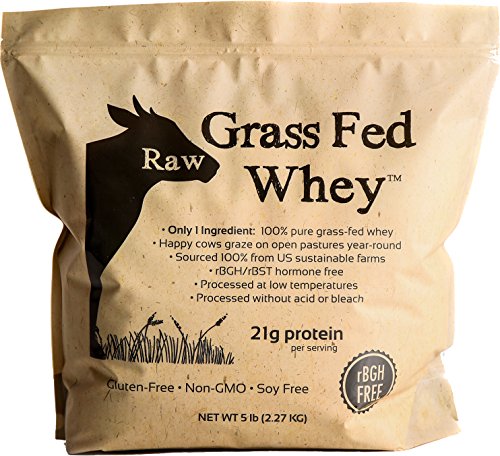
Key features: 100% pure grass-fed whey; 1 ingredient; no sweeteners, flavors, soy lecithin, gums, or fillers. Third-party tested for purity and heavy metals; soy-free, gluten-free; packaged in BPA-free, resealable bag. Sourced from small American family farms; non-GMO, hormone-free, antibiotic-free.
Best for: Clean_label seekers who want a single-ingredient protein without additives. This is ideal for athletes or individuals who prefer minimal processing and responsible sourcing.
Caution: Some may miss flavor or texture without additions, and dosing may vary if used in recipes requiring flavor.
Orgain Whey Protein Powder Vanilla Bean
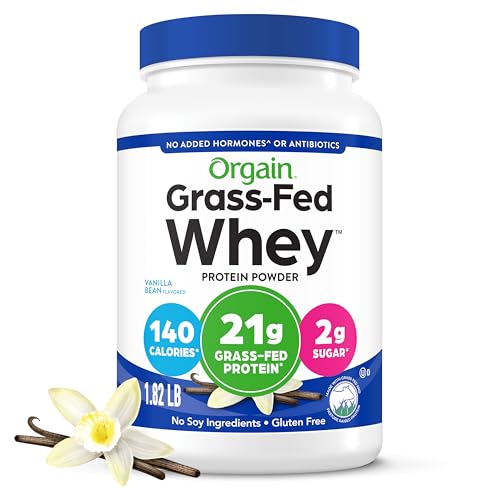
Key features: 21g grass-fed whey protein per serving; 2g sugar; 5g BCAAs; no added hormones or antibiotics; non-GMO; gluten-free; kosher; no carrageenan or soy. Contains no artificial colors, flavors, sweeteners, or preservatives.
Best for: Those who want a well-rounded protein with a light vanilla flavor and a low-sugar profile for shakes and smoothies.
Caution: Contains 2g sugar per serving, which may be pertinent for strict low-sugar plans.
NAKED Whey Vanilla Protein Powder
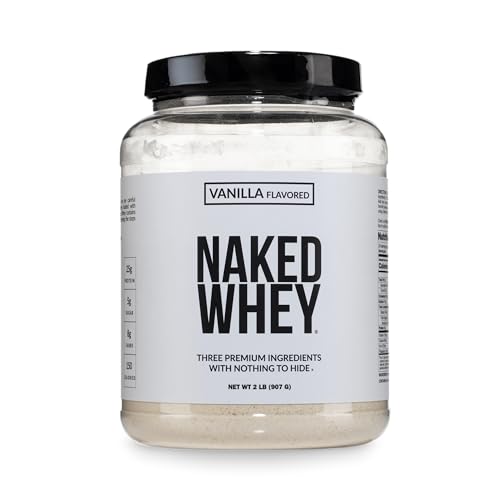
Key features: 3 ingredients—100% grass-fed whey protein, vanilla, and organic coconut sugar. No artificial sweeteners or colors; GMO-free; soy-free; gluten-free. NSF certified for purity and safety.
Best for: Consumers who want a simple, natural vanilla whey with a touch of natural sweetness and verified purity.
Caution: Coconut sugar adds additional sugars and carbohydrates; monitor intake for strict carb counts.
NAKED Whey 2LB Unflavored

Key features: 1 ingredient, 100% grass-fed whey protein; no additives or artificial flavors; GMO-free; soy-free; gluten-free. NSF certified. Non-denatured whey preserving essential amino acids.
Best for: People who want a pure base protein to customize with their own flavors or recipes.
Caution: Unflavored powder may require flavoring for palatability; blends may be less convenient for quick shakes.
Garden of Life Grass Fed Whey Protein Powder Vanilla
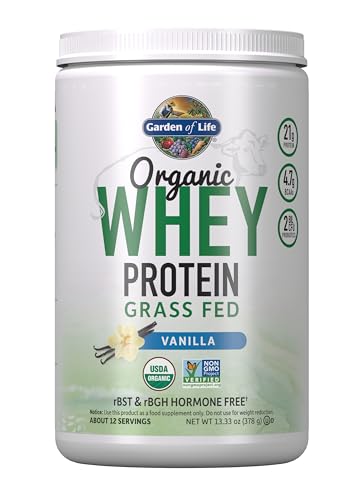
Key features: Certified organic; grass-fed whey with probiotics (4.7g BCAAs); vanilla flavor; 21g protein per serving; gluten-free, non-GMO, kosher, hormone-free. Probiotic B. lactis supports easy digestion.
Best for: Those seeking an organic option with added digestive support and a certified organic label.
Caution: Probiotic content may not suit those with specific probiotic sensitivities; organic certification involves broader sourcing standards.
Buying Guide: How to Choose Organic Whey Protein
What should you prioritize when selecting an organic whey powder?
- Ingredient purity: Prefer products with minimal and recognizable ingredients. If you want 1 ingredient, look for 1-ingredient labels like the Raw Grass Fed option.
- Sourcing and certification: Look for grass-fed labeling, organic certification, non-GMO status, and hormone-free claims. NSF certification can indicate purity.
- Flavor and sugar: Decide if you want flavored or unflavored powder. Check sugar content; some flavored options use natural sweeteners, while others may add sugar.
- Amino acid profile: Protein per serving (usually 20–25g) and BCAAs influence recovery and muscle synthesis; some products emphasize additional components like probiotics or prebiotics.
- Allergen considerations: If you have soy, gluten, or dairy sensitivities, verify that the product is free from the allergen as labeled.
- Allergen-friendly processing: Packaging and facility practices can matter for cross-contamination concerns; BPA-free packaging is a bonus.
- Usage goals: For post-workout recovery, a higher protein per serving with minimal carbs and sugars is typical; for meal replacement, consider additional calories and fats.
Frequently Asked Questions
- What is organic whey protein?
Organic whey protein is whey produced from cows raised on organic farms and processed without synthetic pesticides or hormones. It typically avoids artificial additives and retains essential amino acids.
- Is grass-fed whey better than standard whey?
Grass-fed whey often emphasizes higher-quality pasture-based sourcing and may have a favorable fatty acid profile, but protein content and amino acids are similar. Choice depends on sourcing and processing.
- Should I choose flavored or unflavored whey?
Unflavored whey offers flexibility for recipes and fewer ingredients, while flavored options provide easier mixability for drinks. Consider sugar and artificial additives in flavored varieties.
- What does NSF certified mean for whey powder?
NSF certification indicates third-party verification of product purity and that ingredients match label claims, which can enhance confidence in quality and safety.
- Can whey protein support weight management?
Whey protein can support satiety and muscle maintenance when combined with a balanced diet, but overall calorie intake and activity level determine weight outcomes.
- Who should avoid whey protein?
Individuals with dairy intolerance or severe lactose sensitivity should seek dairy-free protein options or consult a healthcare professional before use.
Leave a Reply