Best Autumn Crisp Apple Trees for Your Orchard or Patio Garden
Looking for an autumn crisp apple tree that reliably yields sweet-tart fruit with great texture? This guide highlights five top options well-suited for American gardens. Each selection emphasizes crisp Honeycrisp-style fruit, cold hardiness, and easy growth for different spaces. The listed buyers are best for home orchards, beginners, or those adding fresh, seasonal produce to landscapes. A quick summary table follows to compare key points at a glance.
| Product | Best For | Size/Container | Hardiness |
|---|---|---|---|
| Honey Crisp Live Apple Tree (1 gal) | Small yards or patios | 1 gal | USDA 3–7 |
| Brighter Blooms Honeycrisp 4-5 ft | Medium spaces, backyard returns | 4-5 ft | Cold tolerant to -30°F |
| Brighter Blooms Honeycrisp 3-4 ft | Compact yards, easier transplant | 3-4 ft | Cold tolerant to -30°F |
| American Plant Exchange Honeycrisp Apple Tree | Balanced fruiting in cooler zones | 2-3 ft | USDA zones 4-8 |
| Arbor Day Foundation Honey Crisp Apple Tree (1 gallon) | Established transplant, reliable harvest | 1 gal | Moderate to cold hardy |
Honey Crisp Live Apple Tree, 1 gal Nursery Pot

Best for small spaces or containers, this 1-gallon Honey Crisp tree is suited for patios or decks with limited garden area. It is hardy in USDA Zones 3–7 and features mid-to-late spring blossoms that add ornamental value. A note on availability: shipments to California, Arizona, Alaska, and Hawaii may be restricted due to agricultural laws. Choose this if you want a compact start with classic Honeycrisp flavor in a manageable pot.
Best for: apartment balconies, first-time fruit tree buyers, or gardeners who want a quick container fruiting option. Limitation: restricted states may prevent shipment.
Brighter Blooms Honeycrisp Apple Tree, 4-5 ft

Best for medium yards and established spring readiness, this 4-5 foot Honeycrisp tree offers a robust start with strong cold endurance. The product emphasizes a reliable yield once established and tolerates cold climates down to -30°F. It’s a practical choice for homeowners who want a larger specimen with significant fruiting potential while still being manageable in a backyard. Best for: gardeners seeking a strong, mid-sized tree with big fruit potential.
Limitation: some regions restrict shipping of certain fruit trees; verify local regulations before ordering.
Brighter Blooms Honeycrisp Apple Tree, 3-4 ft

This compact 3-4 foot Honeycrisp tree is positioned for smaller yards or new gardens. It promises cold endurance to -30°F and a robust yield once established. Best for: urban or suburban setups where growing space is limited but a prolific apple harvest is desired. Limitation: smaller root systems may require careful initial watering and pruning to maximize fruiting.
American Plant Exchange Honeycrisp Apple Tree
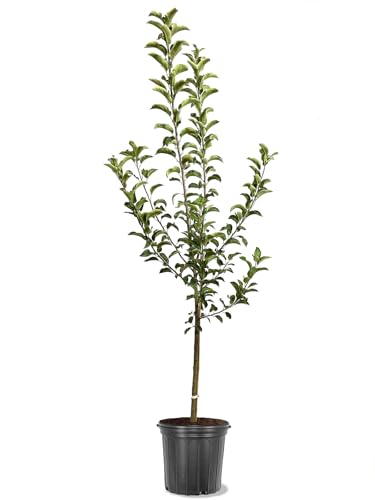
Best for colder climates in zones 4–8 and for growers seeking a fruiting tree with a known Honeycrisp profile, this plant is 2-3 feet tall and arrives in a 5-gallon pot. It emphasizes crisp, juicy fruit and needs a compatible pollinator to maximize yield. Choose this if you want a mid-sized, resilient tree that’s ready for transplant with established roots. Limitation: needs cross-pollination to produce fruit; plan to plant another compatible apple variety nearby.
Arbor Day Foundation Honey Crisp Apple Tree, 1 Gallon

Best for gardeners seeking a reliable, established transplant, this 1-gallon potted Honey Crisp tree aims for consistent harvests once established. It is described as a top choice for home orchards and backyard fruit growers thanks to its signature ultra-crisp texture and balanced sweetness. Caution: some regions may restrict or delay shipment due to agricultural laws; verify local rules before purchase.
Buying Guide: Key Purchase Considerations
- Space and container needs: Choose 1 gal or 2-3 ft trees for small patios, or 4-5 ft trees for larger yards. Consider eventual mature size and root spread for pruning and space planning.
- Hardiness and climate: Look for trees rated for USDA zones that match your area. Honeycrisp varieties commonly tolerate cold, but verify local minimum temperatures and wind exposure.
- Pollination: Some Honeycrisp trees require pollinators to yield fruit. Plan to plant at least one compatible apple variety nearby if needed.
- Shipping restrictions: Several listings note state-specific bans due to agricultural laws. Confirm eligibility for your location before ordering.
- Fruit quality and uses: For fresh eating and baking, select trees highlighted for crisp texture and balanced sweetness. Consider pest and disease resistance in your region.
- Transplant readiness: Potted trees with established roots generally transplant more easily. Bare-root stock may need longer establishment time after planting.
Additional Tips For Buyers
- Water and soil: Ensure well-draining soil with regular watering during establishment. Mulching helps retain moisture and regulate temperature.
- Pruning: Yearly pruning supports sunlight penetration and fruit production. Begin with the first few seasons and adjust as the tree grows.
- Pollinator planning: Inadequate pollination reduces fruit set. Plant flowering varieties nearby or ensure compatible pollinators in the landscape.
- Pest management: Monitor for common apple pests and apply integrated pest management practices as needed to protect fruit quality.
FAQ
- Q: Do all Honeycrisp trees require a pollinator?
A: Some do; check cultivar specifics and plant a compatible apple variety nearby if needed. - Q: What soil conditions are best for these trees?
A: Well-draining soil with balanced moisture supports root health and fruiting; avoid waterlogged conditions. - Q: Are there shipping restrictions I should know about?
A: Yes. Several listings mention state bans due to agricultural laws; verify shipping eligibility before purchase. - Q: When will fruit start to appear after planting?
A: Establishment periods vary by variety and climate; plan for multiple growing seasons before fruiting. - Q: Which tree is best for a small space?
A: The 1-gallon or 2-3 ft trees are most adaptable for containers or compact yards. - Q: Can I grow these in containers long-term?
A: Some varieties tolerate container life well but may eventually need transplanting or root pruning to maintain health.
Leave a Reply