Best Blue Food Coloring for Baking and Decorating
Blue color adds a striking, professional look to cakes, frostings, cookies, and DIY crafts. This guide highlights five top blue food colorings, ideal for home bakers, professional pastry chefs, and hobbyists crafting slime or slime-inspired crafts. Each product is chosen for vivid color, stability, and versatility. Read on to compare colors, ingredients, and best-use scenarios, so you can choose the right blue dye for your project.
Buyer’s quick-reference table
- McCormick Culinary Blue Food Coloring — Best for consistent, professional-grade blue hue in a single liquid bottle.
- Chefmaster Navy Blue Liqua-Gel — Best for precise, deep navy blue in icing and fondant; fade-resistant.
- Limino Vivid Liquid Blue — Best for quick, highly concentrated color in cakes and DIY crafts; very versatile.
- DecorRom Blue Liquid Food Coloring — Best multi-use liquid for decorations, airbrushing, slime, and crafts.
- ENCO Natural Blue Gel — Best for natural, no-artificial-dye options with bold blue tones.
McCormick Culinary Blue Food Coloring
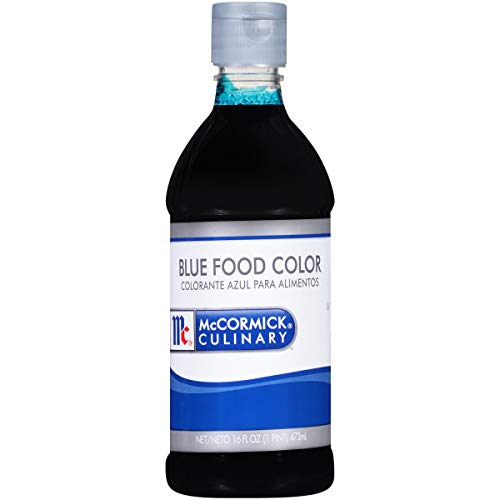
Product summary: A liquid blue food color designed for professional kitchens and home bakers alike. The color delivers a deep blue hue without altering taste or texture. Ideal for cakes, cookies, icings, and fillings. The bottle is sized for frequent use in busy pastry operations.
Best for: Chefs and serious bakers seeking a reliable, consistent blue that won’t shift flavors. Great for uniform color across large batches and for decorative applications where a true blue is essential.
Why selected: It offers dependable performance and a neutral taste profile, making it a staple dye in many culinary studios and restaurant kitchens.
Caution/limitation: Liquid color can be sensitive to batch differences; shake well before use to ensure even tinting.
Chefmaster Navy Blue Liqua-Gel

Product summary: A professional-grade gel dye that produces a deep navy hue. The Liqua-Gel format provides precise control and is fade-resistant, suitable for icing, frosting, fondant, and other decorating mediums.
Best for: Decorators and bakers who want a rich, saturated navy blue without altering the texture of the final product. Excellent for intricate piping, large fondant panels, and dark blue accents.
Why selected: This gel is designed for consistent tinting and stability in high-visibility blue tones, with a broad palette for nuanced color work.
Caution/limitation: Gel colors are highly concentrated; begin with small amounts and build up to avoid oversaturation. Not ideal for very light bases unless a strong tint is desired.
Limino Vivid Liquid Blue

Product summary: Highly concentrated liquid coloring that yields vibrant, striking blue tones. Designed for cake decorating, buttercream, fondant, and even non-confection applications like airbrushing and slime.
Best for: Crafters who want fast, vivid blue results with minimal product. Great for bold decorations on cookies and cupcakes or for slime and other DIY crafts.
Why selected: The high tint power makes it a time-saving option for large batches or urgent decorating plans.
Caution/limitation: Liquid dyes can stain surfaces; use protective measures and clean tools promptly to avoid color transfer on unintended items.
DecorRom Blue Liquid Food Coloring

Product summary: A water-based liquid coloring kit featuring a bold blue that disperses quickly and evenly. Suitable for cake decorating, fondant, frosting, and even non-edible crafts like soap and bath bombs when using color-safe formulations.
Best for: Home bakers who want an accessible, easy-to-use blue color that works well with buttercream, ganache, cupcakes, and fondant projects. Also handy for beginners practicing color mixing.
Why selected: Versatility in a single bottle and compatibility with multiple decorating mediums make it a flexible choice for mixed-media projects.
Caution/limitation: Like other liquid colors, consistent shaking and thorough mixing are necessary to prevent streaking in large batches.
ENCO Natural Blue Gel

Product summary: A natural food coloring gel that avoids artificial dyes while delivering vibrant blue tones for icing, buttercream, and fondant. Kosher and vegan-friendly, designed for consumers seeking natural color options.
Best for: Bakers and decorators who prefer natural ingredients and clear labeling while maintaining bold blue results. Suitable for themed desserts and allergy-conscious kitchens.
Why selected: Combines natural formulation with strong color payoff, making it a practical alternative for those avoiding synthetic dyes.
Caution/limitation: Natural colorings can sometimes produce subtler shades on very pale bases; adjust with slightly more product if needed for more intense color.
Buying Guide: Key Considerations For Choosing Blue Food Coloring
What color depth do you need?
Liquid dyes typically provide moderate to strong tinting with easy blending. Gels offer deeper saturation with precise control, ideal for dark blues and intricate decorating. Consider the base color you’re starting with (white, vanilla, or chocolate) and the desired final shade.
What is your primary use?
If you bake daily professional-level desserts, choose a reliable liquid color from McCormick Culinary for consistency. For detailed icing and fondant work, Liqua-Gel colors from Chefmaster or Royal Blue variants from Chefmaster work well for strong, fade-resistant results.
Any dietary or ingredient considerations?
Natural color options like ENCO Gel emphasize no artificial dyes, which can be important for allergy-conscious or vegan kitchens. If you have no restrictions, standard liquid or gel dyes provide a broader spectrum of colors and easier mixing.
Stability and taste impact?
Most colorings are formulated to avoid altering taste. Gel colors generally do not affect texture, while liquid colors may slightly tint the batter or frosting. If you’re decorating with white frosting, ensure the color remains true against a bright white base.
Ease of use and cleanup?
Liquid colors are simple to mix into batters and icings but can stain. Gel colors reduce mess and provide concentrated color with less volume. For crafts like slime or bath bombs, choose colors labeled safe for such uses and follow the manufacturer’s guidance.
Brand reliability and availability?
Popular professional brands like McCormick Culinary and Chefmaster are widely stocked in kitchens and craft stores, ensuring consistent color results across batches. Gel formulas generally offer greater precision for advanced decorating projects.
Frequently Asked Questions
- What is the best blue color for icing that won’t fade? A fade-resistant gel color, such as the Navy Blue Liqua-Gel, tends to hold up well in icing and fondant, especially in decorated cakes.
- Can I use blue food coloring for slime? Yes. Many liquid and gel colors are suitable for slime projects; opt for colors explicitly described as safe for non-food crafting if using outside culinary contexts.
- Do natural blue colorings taste different? Natural colorings generally aim to avoid artificial dyes and may have a subtler hue on light bases, but they should not alter the taste significantly when used within recommended amounts.
- Is it better to use liquid or gel for detailed decorating? Gel colors provide precise color control and less risk of thinning batters, making them preferable for precise decorating and small piping work.
- Will blue color affect the texture of frosting? Most professional colorings are formulated to avoid altering texture. Gel colors tend to have minimal impact on consistency, while some liquids may slightly tint the frosting.
- Can I mix different blues to achieve a custom shade? Yes. Start with small amounts and gradually blend to reach the desired hue, using a clean palette and mixing tools to maintain color accuracy.
Leave a Reply