Best Rose Wine Case Selections for Every Occasion and Budget
Looking to stock up on rose wine for entertaining, gifting, or daily sipping? This guide highlights five top rose wines that balance flavor, value, and versatility. Each option suits different buyers—from casual tasters building a collection to hosts seeking reliable crowd-pleasers. A quick comparison is provided in the summary table to help with quick choosing, followed by detailed notes and practical buying tips.
| Wine | Brand | Size | Best For |
|---|---|---|---|
| Chateau Ste. Michelle Rose | Chateau Ste. Michelle | 750 mL | Food pairing, versatile meals |
| Globerati Rose Wine | Globerati | 750 mL | Entertaining, European style |
| Barefoot Rose | Barefoot | 750 mL | Casual gatherings, easy-drinking |
| Josh Cellars Rosé | Josh Cellars | 750 mL | Beginner-friendly, citrus notes |
| La Vieille Ferme Rose | La Vieille Ferme | 3 L | Large parties, value |
Chateau Ste. Michelle Rose, Rose Wine

Best for: wine lovers seeking a crisp, versatile rosé with bright aromas. This dry rose from the Columbia Valley blends well with light dishes and can pair with seafood or salads. The wine offers a balanced finish with approachable acidity, making it suitable for both beginners and seasoned tasters. Choose this if you want a reliable crowd-pleaser that remains true to classic rosé flavor profiles.
Caution: The bottle is typical of many American rosés—best enjoyed within the year of purchase to maintain fresh fruit notes. Avoid serving too cold, which can mute nuances.
Globerati Rose Wine, 750 mL
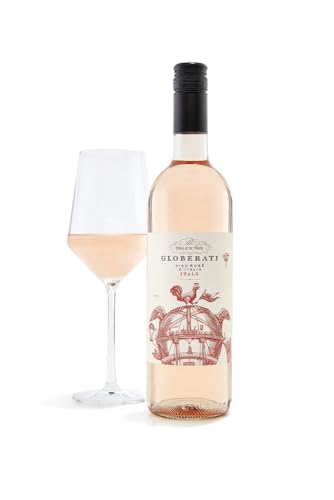
Best for: entertaining guests who appreciate a wine with fresh strawberry notes and lively acidity. An Italian-inspired profile offers crispness that pairs well with simple bites like a goat cheese salad or a light charcuterie board. This option is well-suited for hosts prioritizing a bright, food-friendly rosé at a moderate price point.
Limitation: Rosés can vary by vintage; if you dislike overly fruity profiles, you may prefer a drier style from a different producer.
Barefoot Rose Wine, 750 mL

Best for: casual gatherings and everyday sipping. Barefoot Rosé is known for its approachable sweetness and light body, making it a safe choice for mixed company or a summer barbecue. Choose this if you want an easy-drinking option that won’t overwhelm guests who prefer milder flavors.
Caution: Some tasters may find this rosé fruit-forward; if you prefer grassy or mineral styles, consider a drier option from another brand.
Josh Cellars Rosé, 750 mL

Best for: fans of fruit-forward rosés with citrus notes. Josh Cellars Rosé presents bright strawberry and peach flavors with a light body, making it a friendly choice for beginners and casual wine drinkers. Pick this if you want a straightforward rosé that’s easy to enjoy on its own or with light dishes like shellfish or salads.
Limitation: The flavor profile leans sweet and fruity; if you seek a more mineral or structured rosé, consider a different style from another producer.
La Vieille Ferme Rose, 3L

Best for: large gatherings and value-focused buyers. This 3-liter format offers economical convenience for parties, picnics, or events where a steady rosé is in high demand. The Rhône-style blend delivers approachable fruit-forward notes with easy drinkability for a wide audience.
Limitation: Larger formats may require proper storage and timely consumption to keep flavors fresh; plan for consumption within a reasonable time after opening.
Buying Guide: Rose Wine Case Considerations
What matters most when choosing a rose wine for a case? Consider flavor profile, body, and intended use. For food pairing, look for crisp acidity and dry or off-dry styles that match seafood, salads, and grilled chicken. For entertaining, select wines with broad appeal—fruity yet balanced profiles. Budget and container size influence value; large formats like 3L can be economical for parties, but ensure you have appropriate serving and storage conditions.
How to compare rosé styles quickly:
- Dry vs. off-dry: Dry rosés finish with more mineral or crisp acidity; off-dry rosés have a touch of sweetness.
- Fruit notes: Strawberry, peach, and citrus are common; adjust choices based on guest preferences.
- Food compatibility: Light salads and seafood pair best with bright, acidic rosés; richer dishes pair well with slightly fuller bodies.
Practical tips: store rosé in a cool place away from heat; chill before serving and use a wine stopper after opening to maximize freshness. When selecting a mix, balance lighter and more robust options to cover different courses and guest tastes.
Frequently Asked Questions
- What is a rosé wine best used for in a case? For casual gatherings, food pairing, and gifting, depending on the profile.
- Should I choose a large-format rosé for parties? Yes, if you need economical volume and plan to serve many guests; ensure quick consumption after opening.
- Are all rosés dry? No, rosés range from dry to off-dry. Check tasting notes for sweetness levels when possible.
- How should rosé be stored? Store in a cool, dark place; refrigerate once opened and consume within a few days for best flavor.
- What pairings work well with rosé? Light salads, seafood, grilled chicken, and charcuterie boards are common pairings.
- Which rosé is best for beginners? A fruit-forward, lighter-bodied rosé like Josh Cellars Rosé is often beginner-friendly.
Leave a Reply