Best Low Calorie Japanese Noodles for Easy Diets
Needed: low calorie, konjac-based noodles that work with a variety of dishes. This guide highlights five top options ideal for busy shoppers seeking keto, paleo, vegan, or gluten-free choices. Each product is best for distinct needs—from quick weeknight meals to flexible sauce absorption. Use the table below to compare key points at a glance.
| Product | Best For | Approx. Size | Diet Fit |
|---|---|---|---|
| Soeos Konjac Noodles (6 Packs) | Families and meal preppers | Total 57 oz | Keto, Paleo, Low Calorie |
| 52USA Konjac Shirataki Noodles | Low carb, sugar-free meals | 52.8 oz total | Keto, Paleo, Vegan |
| Miracle Noodle Pasta – Angel Hair | Italian-style dishes | 7 oz | Keto, Gluten-Free, Vegan |
| Keto Noodles Low Calorie Noodle | Keto-focused meals | 6 packs | 0g net carbs |
| Emma Basic Shirataki Noodles | Japanese-style konjac, made in Japan | 170 g pack × 6 | Gluten-Free, Vegan |
The five selections below cover a range of flavors, textures, and preparation styles. Each entry notes who will benefit most and a practical caution to help avoid common missteps when cooking konjac noodles.
Soeos Konjac Noodles, 6 Packs — Low Calorie & Low Carb

What it is: Konjac noodles (shirataki) made from the konjac yam corm. Near-transparent noodles that take on the flavor of sauces. Best for: busy individuals who want a quick, low-calorie base for meals, especially when pairing with bold sauces or Asian-inspired dishes. Why selected: Includes three noodle shapes (Fettuccine, Angel Hair, Spaghetti) across six packs, offering versatility for varied meals. Caution: Konjac noodles expand after absorbing water; chew thoroughly and avoid overeating in one sitting.
52USA Konjac Shirataki Noodles, 3‑Variety Pack
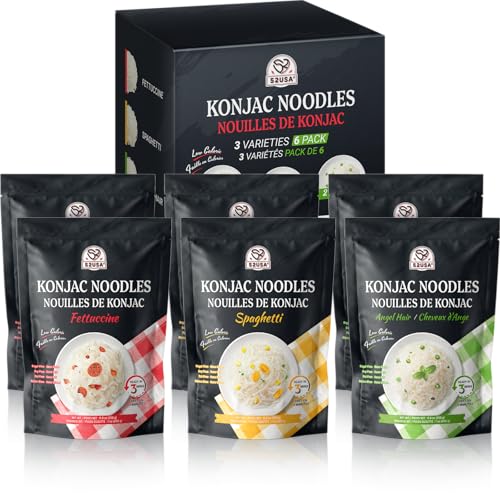
What it is: Low-carb, gluten-free konjac noodles in three varieties (angel hair, fettuccine, spaghetti). Best for: dieters who want a ready-to-eat option with proven low net carbs and vegan compatibility. Why selected: Promotes weight-management-friendly meals due to glucomannan fiber. Caution: Noodles swell after hydration; portion control matters to avoid overfilling an already light dish.
Miracle Noodle Pasta — Angel Hair

What it is: Angel Hair shirataki pasta, part of Miracle Noodle’s range, designed for zero or near-zero calories. Best for: dieters needing a flexible base for Italian-inspired dishes or light meals. Why selected: Angel Hair is thin and airy, suitable for delicate sauces while maintaining a nearly zero-calorie profile. Caution: Noodles contain less than 1 gram of net carbs per serving, but fiber content supports digestion and portion planning.
Keto Noodles Low Calorie Noodle

What it is: Keto-friendly konjac noodles with zero net carbs per serving. Best for: keto-focused meals where staying in ketosis matters. Why selected: Marketed as vegan and plant-based with zero net carbs, making it a straightforward choice for low-carb plans. Caution: Some users note a strong konjac smell before rinsing; thorough washing is recommended before cooking.
Emma Basic Shirataki Noodles — Made in Japan

What it is: Japanese-made konjac noodles, packaged for easy prep. Best for: shoppers seeking authenticity and a traditional shirataki texture. Why selected: Emphasizes Japanese production standards and al dente texture, helpful for stir-fries or cold dishes. Caution: A natural fishy odor can accompany opened packs; rinse thoroughly to dissipate it.
Soeos Organic Konjac Noodles, 3-Variety Pack

What it is: Organic konjac noodles in three shapes (fettuccine, angel hair, spaghetti). Best for: those who want a certified-organic option in a low-calorie, high-fiber format. Why selected: Emphasizes organic sourcing and fiber content. Caution: As with konjac, chew thoroughly and monitor portion sizes due to expansion after hydration.
Buying Guide
What to consider when choosing low calorie Japanese noodles
- Carb content and fiber: Look for konjac-based noodles with high glucomannan fiber and very low net carbs for dieting benefits.
- Texture and versatility: Angel hair varieties are delicate; fettuccine works well in sauces; spaghetti is a flexible substitute for traditional pasta.
- Diet compatibility: Consider keto, paleo, vegan, gluten-free, or organic labeling to match dietary goals.
- Preparation and safety: Rinse well to remove any natural odors; chew noodles to prevent digestion issues due to swelling.
- Serving size guidance: Plan portions based on the noodle’s tendency to expand after hydration to avoid overeating.
How to use these noodles in meals
- Pair with bold sauces (peanut, sesame, pesto) to maximize flavor absorption.
- Use in soups, stir-fries, salads, and cold noodle dishes for year-round variety.
- Combine with vegetables and lean proteins to build balanced plates.
Frequently Asked Questions
- Do konjac noodles contain calories? Generally, konjac noodles have very low calories, with some products labeled as zero or near-zero per serving.
- Can I eat these noodles on a keto diet? Yes, many konjac noodles are keto-friendly with 0g net carbs per serving.
- Will they taste like traditional pasta? Konjac noodles have little to no flavor on their own and absorb sauces well.
- How should I cook and store them? Rinse before use, drain well, and store unopened in a cool, dry place. After opening, rinse and cook as directed on packaging.
- Are konjac noodles vegan and gluten-free? Most options are vegan and gluten-free, but always check labeling for specific products.
Leave a Reply