Best Low Sugar Pectin Bulk Options for Canning and Jams
Yes, you can thicken jams and jellies with bulk, low-sugar pectin. This article compares five bulk or large-pack pectin options ideal for low-sugar canning, jellies, and jams. Each product is suited for different buyers—home canners, sugar-conscious cooks, or those preserving family favorites—so you can choose confidently.
Summary of chosen products:
| Product | Best For | |
|---|---|---|
| Low Sugar Pectin for Canning Jam and Jellies – Fit Lane Nutrition | Budget bulk buyers seeking vegan, non-GMO options | Low-sugar jams and jellies |
| Pectin No Sugar Flex BTC – Ball | Bulk shoppers seeking no-sugar or low-sugar flexibility | No-sugar or low-sugar recipes, honey substitutes |
| Dutch Jell Lite Fruit Pectin – Dutch Valley | No sugar added or reduced-sugar recipes | No-sugar or reduced-sugar jams |
| Hoosier Hill Farm Fruit Pectin – 6 lb | Large-volume canners and pantry staples | Thickening jams, jellies, and preserves |
| Medley Hills Farm Fruit Pectin – 1.5 Lbs | US-made, reusable-container option for regular canners | Thickening jams, jellies, and marmalades |
Low Sugar Pectin for Canning Jam and Jellies – Fit Lane Nutrition

Best for budget-minded bulk buyers who want a vegan, NON-GMO pectin with a smooth taste. Use about 5% of batch weight for thickening in low sugar jams. The powder provides classic jell properties and is versatile for jars often used in Ball canning.
Best for: home canners who prefer a value-size, plant-based thickener. Caution: check batch sugar levels to maintain desired texture in very low-sugar recipes.
Pectin No Sugar Flex BTC – Ball

Best for buyers seeking high-value bulk pectin with no-sugar and low-sugar recipe options. This product replaces multiple boxes of traditional pectin, emphasizing improved flavor and performance.
Best for: bulk canners who need flexible sugar options. Caution: verify recipe compatibility when substituting in legacy jams or jelly formulas.
Dutch Jell Lite Fruit Pectin – Dutch Valley
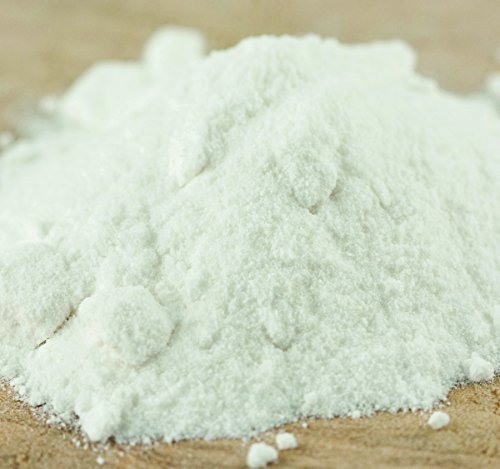
Best for no-sugar-added or reduced-sugar jam and jelly recipes. This bulk option is designed for clear set without added sugar, making it ideal for sugar-conscious households.
Best for: cooks who want a straightforward no-sugar solution. Limitation: the product is marketed specifically for no-sugar or reduced-sugar uses, so adjust expectations for very sweet fruit blends.
Hoosier Hill Farm Fruit Pectin, 6LB

Best for large-volume canners and pantry staples who want a naturally occurring thickening agent from fruit. The dry blend thickens jams, jellies, and fillings when cooked and stored in a cool, dry place.
Best for: households planning frequent preserves. Caution: avoid refrigerating powdered pectin for long-term storage.
Fruit Pectin Powder – Medley Hills Farm 1.5 Lbs

Best for US-made, reusable-container pectin. This 1.5 lb bag is suitable for regular canners seeking a high-rapid-set pectin from citrus peels, designed to preserve true fruit flavors.
Best for: cooks who value a reusable container and a premium daily-use pectin. Caution: verify storage in a cool, dry place to maximize shelf life.
Buying Guide: Pectin Bulk For Low-Sugar Jams
What should you consider when buying bulk low-sugar pectin?
- Sugar content: Decide between no-sugar, low-sugar, and standard sugar formulations. Some pectins are designed to gel without added sugar, while others work best with small sugar amounts.
- Form: Powdered pectin is most common for canning. Some options include bulk bags or reusable containers for ease of storage and measured use.
- Source and labeling: Look for vegan, non-GMO, or citrus-derived pectin if these attributes matter to your diet or recipes.
- Storage: Keep pectin in a cool, dry place. Avoid moisture and direct sunlight to maintain gelling strength over time.
- Compatibility: If swapping brands or formulas, follow recipe guidance to avoid under- or over-thickening.
- Batch size: For frequent canning, larger bags (6 lb or more) can reduce per-batch cost and improve consistency across preserves.
Practical Quick-Start Questions
- What sugar level is best for low-sugar pectin? Choose formulas designed for low or no sugar, and adjust fruits’ natural sweetness.
- Is bulk pectin suitable for water-bath canning? Yes, when labeled for canning and used according to the recipe.
- Can I substitute any pectin in existing recipes? Substitutions can affect thickening time and texture; follow brand-specific guidance.
- How should I store bulk pectin? In a cool, dry place, sealed, away from moisture.
- Which option is best for beginners? A no-sugar or low-sugar pectin with clear recipe instructions is ideal for new canners.
- Are there regional flavor differences with citrus-based pectin? Some pectins may interact differently with certain fruit acids; follow manufacturer guidance.
Frequently Asked Questions
- What is the main use of pectin in jams? To thicken and gel fruit preserves for a stable, spreadable texture.
- Can pectin be used in freezer jams? Yes, but choose a formulation suitable for freezing to avoid texture changes.
- Is sugar-free pectin effective for all fruits? Effectiveness depends on fruit acidity and sugar substitutes used; test small batches.
- How long does bulk pectin last? When stored properly in a cool, dry place, it remains usable for an extended period.
- Should I refrigerate pectin after opening? Not usually necessary if kept sealed and away from moisture; check product label.
- Is pectin the same as gelatin? No; pectin is plant-derived and suitable for vegetarians and vegans, while gelatin is animal-based.
Leave a Reply