Best Non Acidic Decaf Coffee for Sensitive Stomachs
Looking for a smooth, gentle decaf experience that won’t irritate your stomach? This guide highlights non-acidic decaf coffees that minimize acidity while preserving rich flavor. Ideal for caffeine-conscious drinkers, those with reflux, or anyone seeking a calmer cup. The top picks focus on low-acid processing methods, quality beans, and accessible grind formats for home brewers.
| Product | Best For | Why It Stands Out |
|---|---|---|
| Lucy Jo’s Organic Decaf Low Acid Ground | Everyday drip lovers | Water-decaff, organic, smooth and creamy |
| Mommee Coffee Decaf Ground Low Acid | Sensitive stomachs and whole-day drinking | 100% organic Arabica, low chlorogenic acid |
| Lifeboost Decaf K-Cups | K-Cup users seeking purity | Non-GMO, shade-grown, mycotoxin/pesticide tested |
| ALEX’S Low Acid Organic Coffee (Decaf) | Delicate, low-acid flavors | Chiapas beans with mild, nutty notes |
| Bulletproof Original Medium Roast Decaf | Flavor-forward decaf | Arabica blend with nuanced notes; sustainability focused |
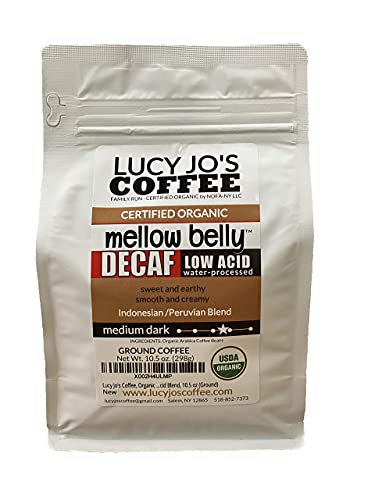
Lucy Jo’s Organic Decaf Low Acid Ground
Lucy Jo’s Organic Decaf uses a water-process decaffeination method to remove caffeine while preserving flavor. The result is a smooth, creamy cup with sweet, earthy notes. Best for daily drinkers who want a reliable low-acid option without chemical residues. Suitable for drip brewers and everyday hot coffee.
Best for: readers who prioritize organic certification and a clean finish. Limitations: flavor is mellow, which may be less bold for some palates.
Mommee Coffee Decaf Ground Low Acid

Mommee Coffee emphasizes low acid with 100% organic Arabica beans, delivering a smooth caramel and toffee profile. The medium grind is suitable for drip machines and reusable filters. This option is better for sensitive stomachs seeking a full-bodied cup without bitterness. Suitable for hot or cold brews.
Best for: drinkers needing a naturally reduced acid profile and a comforting sweetness. Caution: claims about chlorogenic acid reductions should be interpreted as brand messaging; check tolerance for sweetness if you prefer less caramel notes.
Lifeboost Decaf K-Cups

Lifeboost offers a low-acid, single-origin decaf in convenient K-Cups. Beans are sun-dried and spring-water washed, with third-party testing for mycotoxins and pesticides. Best for Keurig users who want a clean taste with a strong, natural coffee backbone. Better for quick preparation and on-the-go mornings.
Limitation: single-origin flavor can be less complex for drinkers who prefer multi-origin blends.
Alex’s Low Acid Organic Decaf

Alex’s Low Acid Organic Decaf uses 100% Chiapas beans, offering a mild, delicate cup with notes of brown sugar, pear, and a nutty overtone. It emphasizes lower chlorogenic acids without sacrificing flavor. Choose this if you want a subtle sweetness and a gentle finish in every cup.
Best for: fans of Mexican-origin beans seeking a soft, approachable profile. Caution: flavor is light, which may be less satisfying for those who want a bolder coffee presence.
Bulletproof Original Decaf Ground

Bulletproof Original Medium Roast Decaf combines a premium Arabica blend with a nuanced flavor profile featuring notes of plum, orange, cinnamon, cocoa, and hazelnut. The brand emphasizes sustainable sourcing through Rainforest Alliance practices. This option is best for those who want a richer aroma and a more defined flavor complexity in decaf form.
Limitation: some may find the roast a touch bolder than typical decaf; consider starting with a smaller amount if sensitive to intensity.
Lifeboost Swiss Water Decaf Whole Bean

This Lifeboost option uses Swiss Water Process to decaffeinate while preserving flavor, with a low-acid, organic, single-origin profile. Best for pour-over enthusiasts who want full control over grind and extraction, plus third-party verification of purity. Suitable for sensitive stomachs and long-term sipping.
Note: Whole bean format requires a grinder; not ideal for those who rely solely on pre-ground coffee.
Verena Street Sunday Drive Swiss Water Decaf

Verena Street’s Sunday Drive uses the Swiss Water Process, offering a full-bodied, mellow decaf without bitterness. Sustainably sourced from Rainforest Alliance farms, this option aims for a reliable, well-rounded cup with a clean finish. Best for drip brewers and those who want a traditional decaf flavor profile with minimal acidity.
Limitation: some drinkers may miss the brighter notes found in lighter roasts.
Sarasota Coffee & Tea Company Decaf Ground

This medium roast decaf ground coffee emphasizes low acidity with a smooth, balanced profile. Designed for easy digestion and a clean finish, it’s suitable for evening cups or caffeine-sensitive readers. The product markets itself as mold-free and of specialty grade quality, appealing to those who want reliable, comfortable flavor.
Best for: drinkers who want a dependable, non-acidic decaf without compromising everyday coffee enjoyment. Caution: as a single-sourcing option, flavor notes may vary between batches.
Buying Guide: Key Considerations for Non-Acidic Decaf Coffee
- Decaffeination method: Water Process and Swiss Water Process are common for preserving flavor while removing caffeine. These methods tend to produce lower acidity than some chemical decafs.
- Origin and roast level: Single-origin beans from Central America or Chiapas offer distinct flavor profiles. Medium roasts often balance acidity and body in decaf.
- Digestive comfort: Look for low-acid claims, and check for terms like “gentle on stomach” or “acid-free” to align with sensitivity needs.
- Bean form: Ground versus whole bean affects convenience. Ground is ready-to-brew; whole bean requires a grinder but can yield fresher flavor.
- Environmental and purity standards: Certifications (USDA Organic, non-GMO, Rainforest Alliance) can matter for sustainability-minded buyers.
- Brewing method compatibility: Drip, pour-over, single-serve, French press, and espresso each interact differently with grind size and acidity, so choose accordingly.
Frequently Asked Questions
- What makes a decaf coffee low-acid? Answer: Low-acid decafs use processing methods and bean varieties designed to minimize sour or sharp notes, often resulting in a smoother cup.
- Is Swiss Water better than traditional decaf? Answer: Swiss Water and other water-based processes aim to preserve more flavor while reducing acidity compared to some chemical methods.
- Can decaf cause stomach discomfort? Answer: Some decafs are formulated to be gentler on the stomach, but individual tolerance varies; start with smaller servings if needed.
- Should I prefer whole bean or ground for low-acid coffee? Answer: Whole bean preserves freshness longer; ground is more convenient for quick brewing.
- Are all low-acid decafs caffeine-free? Answer: Most decaf coffees meet standard decaffeination levels, but always check product details for exact caffeine content if needed.
- What grinding size is best for low-acid decaf? Answer: Drip and pour-over typically use a medium grind; espresso uses a finer grind, while French press uses a coarse grind.
Leave a Reply