Best South African Spice Blends for Meats, Grilling, and Everyday Flavor
Answering the question of how to add authentic African flair to meals, these South African spice blends offer robust profiles for meat, poultry, and vegetables. Ideal for home cooks seeking bold flavors, these blends range from traditional biltong-seasoned rubs to smoky paprika-centered mixes. Whether you’re new to South African cuisine or chasing a pantry upgrade, this guide highlights five top options and who they suit best.
Buyer’s quick-reference table
| Product | Best For | Key Benefit |
|---|---|---|
| Freddy Hirsch Hunters Biltong Seasoning | Biltong at home, roasts and burgers | Classic SA flavor, ready-to-use |
| Marshalls Creek Kosher Spices ST08 | Fresh, all-natural blends | No MSG, no fillers |
| Geenafoods Suya Pepper Blend | Beef, chicken, grilling | Peanut-forward African seasoning |
| Safari Smoke Seasoning Blend (2-pack) | Meat, chicken, vegetables, grilling | Smoky, reusable grinder |
| Robertsons Steak & Chops Spice | Steaks, chops, grilling basics | South African staple spice |
Freddy Hirsch Hunters Biltong Seasoning

This 1 kg ready-to-use blend captures classic South African biltong flavors with a rich, aromatic profile. Best for home biltong-making, it also enhances roasts, steaks, and BBQ with its layered, robust notes. The large format helps cooks maintain consistency across multiple batches. Use this when you want a dependable, traditional base for meat dishes. A potential limitation is its strong profile, which may overpower milder cuts if used without autoscale in small portions.
Marshalls Creek Kosher Spices ST08 (Compare To Trader Joe’s South African Smoked Seasoning)
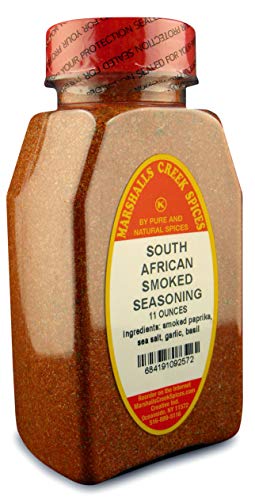
This 11 oz blend emphasizes freshness and all-natural ingredients. It’s a good choice for cooks who want a vibrant smoke-infused profile without MSG or fillers. Best for those prioritizing natural spice blends with a Kosher-certified standard. A caveat is that the flavor intensity may be milder than heavy-duty biltong rubs, requiring adjustments for larger cuts or bolder finishes.
Geenafoods Suya Pepper Seasoning

Featuring a roasted peanut-forward base with traditional African herbs, this blend is designed for grilling beef and chicken with a distinct, savory kick. Best for cooks who want a bold, roasted-nut dimension and a versatile seasoning that suits soups, stews, and roasted vegetables. The main caution is peanut cross-allergen awareness for households with nut sensitivities.
Marshalls Creek Spices Compare To South African Smoked Seasoning
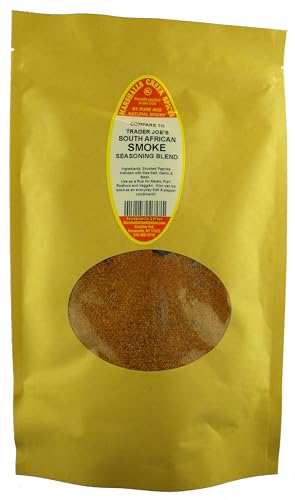
This 11 oz pouch mirrors a famous South African smoked blend, with a focus on freshness and natural ingredients. Best for users who want a smoky, punchy finish on meats and vegetables without artificial additives. A limitation is that it may require additional salt adjustments depending on the dish, as it emphasizes flavor over salinity alone.
Safari Smoke Seasoning Blend by African Dream Foods (2-Pack)

With smoked paprika and sea salt, this two-pack offers a bold, smoky profile ideal for meat, chicken, and vegetables. Best for cooks who want a ready-to-grind option that distributes evenly via a reusable grinder. It’s suitable for grilled, fried, or oven-baked proteins. A note: the grinder’s texture can sometimes require a light tap to release evenly on dense surfaces.
Safari Smoke Seasoning Blend by African Dream Foods (Single Pack)

Same smoky blend as the 2-pack but offered as a single unit for smaller households or limited use. Best for trial runs or limited-frequency cooking that still demands a bold smoky finish. The same reusable grinder feature helps control distribution, with a caution about potential under- or over-seasoning if not evenly ground across larger cuts.
Robertsons Steak & Chops Spice

Imported from South Africa, this 86 g glass bottle blend includes coriander, paprika, garlic, and other traditional spices. Best for classic steak preparation and everyday grilling. It’s GMO-free and preservative-free, making it a straightforward choice for traditional meat seasoning. A limitation is its smaller size relative to bulk rubs, which may require more frequent replenishment for heavy cooks.
Buying Guide: How To Choose A South African Spice Blend
- Do you want a traditional biltong-style rub, a smoky finish, or a nutty Suya-inspired blend? Match the profile to your favorite proteins and cooking styles.
- Ready-to-use blends save time, while grinders offer on-demand freshness. Consider whether you prefer pre-mixed rubs or a reusable grinder approach for live seasoning.
- Check for nuts, MSG, gluten, and Kosher or Halal certifications if relevant to your household.
- Look for blends that list primary ingredients (e.g., peanuts in Suya-based blends) and avoid vague “spice blend” labels when allergies or flavor precision matter.
- Larger formats suit frequent cooks; smaller bottles fit casual use or gift purposes. Consider shelf life and storage conditions to maximize flavor.
- Some blends excel on meat, vegetables, soups, and stews. If you cook across dishes, choose multi-purpose blends with a bold yet adaptable profile.
Frequently Asked Questions
- What makes South African spice blends different from other African blends? They often emphasize biltong-style seasonings, smoked flavors, and a balance of heat, earthy spice, and roasted nuts, reflecting traditional regional preparations.
- Are these blends suitable for everyday cooking? Yes, many blends are versatile for grilling, roasting, and stews, offering bold flavor without needing multiple seasonings.
- Is nut content a concern? Some blends, like Suya pepper with peanuts, contain nuts. Check ingredient lists for allergies and substitute with nut-free options if needed.
- Can I use these on vegetables? Absolutely. They work well on mushrooms, peppers, onions, and grilled vegetables for a smoky or roasted flavor.
- Do these blends require additional salt? Some blends already balance salt alongside spices. Taste during cooking and adjust salt separately if needed.
- Is there a recommended method for applying the blends? For rubs, pat the meat dry, apply evenly, and let rest for a short time if possible. For grinders, twist and distribute in a controlled manner to avoid over-seasoning.
Leave a Reply