Best Coconut Water in Cans for on-the-Go Hydration
Looking for the best coconut water in cans? This guide highlights five top options, explaining who each product is best for and why it stands out. Ideal for athletes, travelers, busy professionals, and anyone seeking a naturally refreshing hydration boost, these canned coconut waters emphasize natural electrolytes, low calories, and authentic tropical flavor. Use the buying guide and quick product comparisons to choose the right can for your routine.
Summary of top picks
| Product | Brand | Key Benefit | Best For |
|---|---|---|---|
| Goya Coconut Water With Pulp | Goya | Natural coconut water with pulp; low calorie | Everyday refreshment, light snacks |
| MOJO Coconut Water | Equator Beverage | Electrolytes; vegan, gluten-free | Hydration for workouts |
| Harney & Sons Coconut Water | Harney & Sons | Not from concentrate; authentic taste | Pure, clean coconut flavor |
| Iberia Coconut Water With Pulp | Iberia | Pulp texture; electrolytes | On-the-go energy and post-activity hydration |
| C2O Pure Coconut Water | C2O | 100% natural; no additives | Health-conscious, versatile beverage |
Goya Coconut Water With Pulp, 17.6 Ounce (Pack of 12)

Best for: Everyday refreshment with a natural pulp texture. Goya Coconut Water With Pulp is made from young green coconuts, delivering a low-calorie, hydrating beverage that supports potassium intake. The pulp adds a bit of texture, appealing to those who want a fuller mouthfeel in a light tropical drink. Choose this if you prefer a traditional coconut water experience with pulp rather than a clear liquid.
Why selected: The product emphasizes natural hydration from a trusted brand, with no fat and zero trans fats. Its potassium-rich profile helps replenish fluids after light activity or during heat. A practical, no-fuss option for a family-size pack.
Limitation: Pulp present means a texture some may not like for mixing in recipes or smoothies. If you want a completely pulp-free option, consider a different can.
MOJO Coconut Water | Hydration Drink
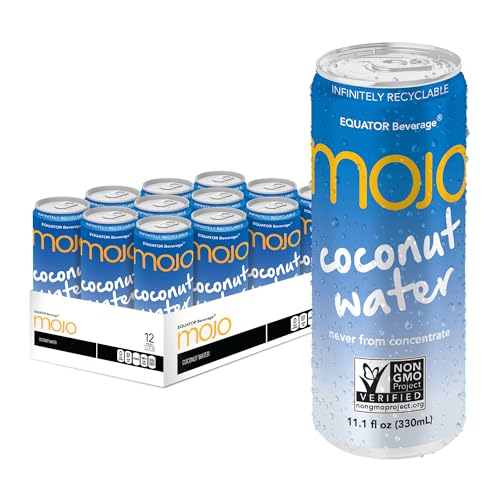
Best for: Athletes and active individuals seeking electrolytes and a simple hydration solution. MOJO Coconut Water emphasizes electrolytes and vitamins B and C, supporting hydration and recovery. It’s suitable for post-workout use and general daily hydration for those who want a clean drink with vegan, gluten-free attributes.
Why selected: The formulation highlights electrolyte content and a plant-based profile, making it a versatile choice for fitness routines and busy days. The product notes no artificial preservatives, aligning with clean-label preferences.
Limitation: The name suggests a stronger hydration focus, but some may prefer coconut water without added electrolytes if they want a more natural taste profile.
Iberia Coconut Water With Pulp, 10.5 Fl Oz

Best for: On-the-go hydration with a natural pulp texture. Iberia’s coconut water with pulp provides a sense of fullness with the pulp, alongside essential electrolytes like potassium. The 10.5 fl oz format makes it convenient for a quick, portable drink during travel or at work.
Why selected: This option balances the texture of pulp with convenient packaging, offering a robust coconut flavor and electrolyte content. It’s a practical pick for those who want a little more substance in their coconut water.
Limitation: Pulp texture may not be ideal for those who prefer a completely clear beverage or for mixing into smoothies without extra texture.
C2O Pure Coconut Water, 100% All Natural

Best for: Health-conscious consumers seeking 100% natural coconut water with no additives or concentrates. C2O emphasizes authenticity, gluten-free, non-GMO status, and a true coconut flavor sourced from Thai coconuts.
Why selected: This option highlights a clean ingredient list and a commitment to natural flavors, making it a strong choice for those who want a straightforward hydration beverage without extra sugars or flavors.
Limitation: Some may find the taste to be more delicate without added sweetness, depending on personal preference for flavor intensity.
Buying Guide
What matters most when choosing canned coconut water?
Look for 100% coconut water with no added sugar or artificial ingredients. If you prefer texture, you may choose pulp-containing cans; otherwise, opt for 100% clear coconut water.
How important is the “not from concentrate” claim?
Not from concentrate often signals a more natural flavor and fewer processing steps, which matters to buyers seeking a closer-to-origin drink. However, some brands offer a great taste with no concentrates while still meeting quality standards.
Which can size fits your routine?
Smaller 10.5–12 oz cans are convenient for on-the-go and portion control, while larger packs (12 cans or more) are cost-effective for home or office use.
What dietary considerations should I note?
Most coconut waters are naturally fat-free and cholesterol-free. If you have dietary restrictions, verify gluten-free, vegan, non-GMO, and any allergen advisories on the label.
Flavor and texture preferences
Choose pulp-containing cans for a textured, fuller mouthfeel or purified, pulp-free varieties for a smoother, drinkable experience. Some brands emphasize stronger natural sweetness, while others offer a lighter taste.
FAQ
- Do all canned coconut waters have electrolytes? Most contain natural electrolytes like potassium, but electrolyte levels vary by brand.
- Is coconut water a good hydration option after workouts? Yes, it provides hydration and electrolytes, but it should not replace water entirely if you need heavy fluid replacement after intense activity.
- Can I use coconut water in recipes? Yes, it can replace water or dairy in smoothies and real meals where a tropical flavor is desired, keeping in mind sugar content if any.
- What’s the difference between coconut water and coconut juice? Coconut water is the clear liquid from young coconuts; coconut juice often refers to a coconut beverage with added sugar or flavoring. Check the label for clarity.
- Are there organic options in these cans? Some brands offer organic varieties; review product labels to confirm organic certification.
- Which can is best for travel? Smaller cans with pulp options can be more portable, while clean-label, non-GMO options are easier to carry through security and storage.
Leave a Reply