Best Baby Oatmeal Options Free From Heavy Metals and Gentle on Tiny Tummies
Answering the question “which baby oatmeal is free from heavy metals and safe for daily feeding,” this guide highlights five trustworthy products. These selections emphasize clean ingredients, third‑party testing where provided, and gentle digestion for little ones. Best for parents seeking organic grains, minimal additives, and clear sourcing. The top picks are suitable for babies from early introduction through the transition to solid foods. A concise buyer’s table is included, followed by detailed product sections and a practical Buying Guide.
Product Summary
| Product | Best For | Why It Stands Out |
|---|---|---|
| BARI Organic Baby Rice Porridge – Stage 1 | 4+ Months, first solids | Heavy metal tested; single-ingredient rice; ultra-smooth texture |
| Earth’s Best Organic Whole Grain Oatmeal | 4+ Months, transitioning to cereals | Three-ingredient, USDA Organic, clean label |
| BARI Organic Baby Rice Porridge – Stage 2 | 7+ Months, thicker porridge | Heavy metal tested; simple rice base; no additives |
| MAMUKO Organic Oatmeal Porridge | 3–6 Months, early solid diets | 100% organic, GMO-free, dairy-free |
| Slurrp Farm Millet & Oat Cereal | Toddlers, transitioning to grains | Millets and oats blend; no added sugar |
BARI Organic Baby Rice Porridge – Stage 1

Best for: babies 4 months and up who need a gentle first solid. Why selected: the product is heavy metal tested and uses a single-ingredient, USDA Organic Korean white rice. No sugar, salt, flavors, or preservatives. This porridge cooks quickly and yields a smooth texture ideal for new eaters. Caution: rice-based cereals may still contain trace minerals; always follow feeding guidelines and consult a pediatrician if concerns arise.
Earth’s Best Organic Whole Grain Oatmeal
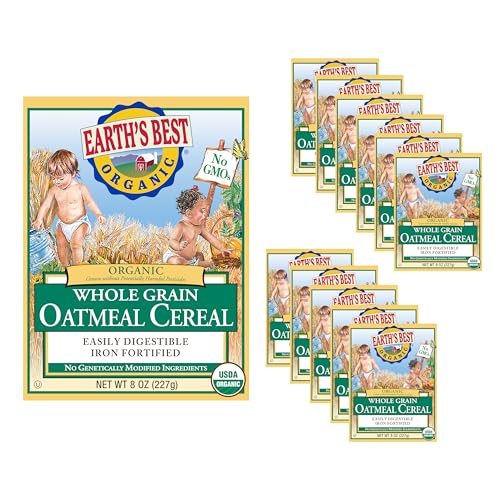
Best for: babies ready to transition to oatmeal cereals with a simple ingredient list. Why selected: USDA Organic, non-GMO, and Clean Label Project Purity Awarded, featuring organic oat flour with no artificial flavors or colors. This cereal supports gentle digestion and provides iron fortification. Limitation: oat content should be introduced gradually for sensitive tummies and in coordination with other iron sources to avoid over‑fortification.
BARI Organic Baby Rice Porridge – Stage 2

Best for: babies 7 months and older needing a thicker, more substantial breakfast or meal base. Why selected: continues the heavy metal tested, single-ingredient rice approach with nothing added. Choose this if you prefer a consistent rice-based texture as baby progresses. Limitation: offers limited flavor variety; consider blending with fruit or vegetable purées as baby’s palate expands.
MAMUKO Organic Oatmeal Porridge

Best for: parents seeking a high-fiber, dairy-free oat option for babies aged 3–6 months. Why selected: organic, GMO-free, and no artificial sweeteners; provides a clean, pure diet with 100% whole grain. Limitation: product emphasizes dairy-free; if dairy is part of the diet later, consider how to adapt recipes to maintain variety and iron intake.
Slurrp Farm Millet & Oat Cereal

Best for: toddlers and older babies who are ready for a mixed-grain cereal with natural fiber. Why selected: combines millet and oats for a nutrient-rich option without added sugar or milk. Caution: millets can contain varying fiber levels; start with small portions and monitor digestion, especially if introducing new grains.
Gerber Stage 1 Baby Oatmeal Cereal

Best for: first solids with a quick, easy mix. Why selected: provides 14g of whole grains per serving, plus iron, zinc, and vitamin B12 as part of a balanced first food. Caution: verify organic status and ensure it aligns with your pediatrician’s iron plan for your baby’s age and needs.
Gerber Stage 2 Apple Banana Oatmeal Cereal

Best for: babies ready for textured cereals and new flavors. Why selected: designed for stage 2, offering iron support for brain development with a flavor blend that appeals to young eaters. Caution: flavored cereals may introduce added ingredients; monitor for sensitivities and ensure balance with other iron-rich foods.
Buying Guide: Key Considerations For Choosing Baby Oatmeal Without Heavy Metals
- Heavy metal testing and sourcing: Prioritize products that explicitly mention heavy metal testing or third-party verification. This helps reduce exposure to arsenic, lead, cadmium, and mercury.
- Ingredient simplicity: Look for single-ingredient options (like 100% organic rice or oats) to minimize allergens and additives. This can simplify early feeding and digestion.
- Age appropriate texture: Stage 1 cereals are usually smoother and finer, ideal for 4–6 month olds, while Stage 2 or blends suit older babies who can handle thicker textures.
- Organic and non-GMO claims: Organic certification can indicate fewer synthetic pesticides and a cleaner product profile. Non-GMO status may be important for some families.
- Allergen considerations: Dairy-free, gluten-free, or hypoallergenic options may be critical for babies with sensitivities. Check for potential cross-contact risks if needed.
- Iron fortification: Many cereals include iron to support development. Consider your child’s overall iron intake from both cereals and other foods.
- Flavor and sugar content: Prioritize no added sugar or artificial flavors to support healthy palate development and reduce early sugar exposure.
- Feeding convenience: Ready-to-prepare vs. instant mixes can impact daily routines, especially for busy caregivers. Consider whether you prefer microwave or stovetop prep times.
Frequently Asked Questions
- What does heavy metal tested mean for baby cereals? — It means each batch is tested for metals like arsenic, lead, cadmium, and mercury to ensure safer consumption for babies.
- Is oatmeal better than rice for baby cereal? — Both can be appropriate; oatmeal tends to be gentler for some babies, while rice-based cereals may suit those who tolerate rice well. Consider digestion, allergen exposure, and iron needs.
- When can I start giving oats to my baby? — Most babies are ready around 4–6 months, depending on development and pediatrician guidance. Start with a smooth, thin consistency.
- Should I choose organic or non-organic cereal? — Organic products reduce exposure to synthetic pesticides and may align with other dietary goals, though non-organic cereals can also meet safety standards if properly tested.
- How do I introduce new cereals safely? — Introduce one new cereal at a time, wait 2–3 days to monitor for allergies, and consult a pediatrician if there are any concerns.
- Are flavored baby cereals okay? — Flavored cereals often contain added ingredients. If avoiding additives, choose plain or naturally flavored options and limit added sugars.
Leave a Reply