Best Whole Wheat Soba Noodles: Top Buckwheat Options for Every Dish
Best whole wheat soba noodles for distinct buckwheat flavor and versatile use. This guide highlights five top options, suited for hot broths, cold noodle dishes, and quick weeknight meals. Each product is assessed for texture, cooking simplicity, and flavor, helping you choose the right soba based on your cooking style and dietary preferences. Ideal buyers include health-conscious cooks seeking gluten-aware noodles, busy families needing quick meals, and gourmets who want authentic, nutty buckwheat character.
Overview of selected products:
- J-BASKET Dried Buckwheat Soba Noodles (Hime) — premium buckwheat, quick cook time.
- Authentic 100% Buckwheat Soba Noodles — gluten-free, versatile for hot or cold dishes.
- Unha’s Japanese Soba Noodles — air-dried, traditional flavor, reliable texture.
- Blue Dragon Dried Soba Noodles — pre-portioned, buckwheat-wheat blend, convenient base.
- SUKINA Soba Noodles — organic buckwheat, thin texture, high-protein option.
J-Basket Dried Buckwheat Soba Noodles

Brand: Hime
Features: Made from premium buckwheat, 5 minutes cooking time, served in hot broth or with cold dipping sauce.
Best for: Quick weeknight meals and broth lovers who want a simple, authentic buckwheat bite. Pick this if you value a short cook time and straightforward preparation.
Limitations: Pure buckwheat noodles can have a firmer bite when undercooked; follow package timing for best texture.
Authentic 100% Buckwheat Soba Noodles

Brand: BAYU STORE
Features: 100% Buckwheat & Naturally Gluten-Free; Rich, nutty flavor & smooth texture; Versatile for hot & cold dishes.
Best for: Gluten-sensitive diners seeking pure buckwheat soba that shines in both soups and salads. Choose this when you want maximum buckwheat flavor without wheat.
Caution: Some 100% buckwheat noodles can be delicate; handle gently when rinsing and tossing to avoid breakage.
Unha’s Japanese Soba Noodles

Brand: UNHA’S ASIAN SNACK BOX
Features: Traditional three-ingredient soba (buckwheat, wheat, salt); air-dried for flavor and texture; versatile for hot or cold dishes; quick cook and holds texture well.
Best for: Cook-and-serve meals where texture consistency matters. Choose this if you want a reliable chew and classic soba profile.
Limitation: Contains wheat flour in the blend; not suitable for strict gluten-free diets.
Blue Dragon Dried Soba Noodles (8.8 oz Pack of 3)
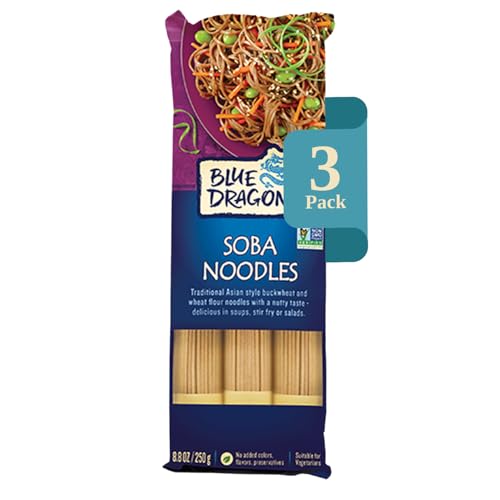
Brand: Blue Dragon
Features: Blend of buckwheat and wheat flour; pre-portioned into three bundles; versatile base for soups, stir-fries, and cold salads.
Best for: Those who want convenient portions and a flexible noodle that supports a range of dishes. Choose this when you value easy meal prep and reliable texture.
Limitation: Wheat content means not suitable for gluten-free diets; flavor is milder due to blend.
SUKINA Soba Noodles

Brand: SUKINA
Features: Authentic Japanese soba, premium buckwheat, high protein and fiber; ready in about 6 minutes.
Best for: Health-conscious cooks seeking closer to traditional soba with noticeable nutrition benefits. Choose this for a quick meal with a nutritious profile.
Limitation: Noodles are thin and delicate; handle with care to avoid breakage during stirring or tossing hot sauces.
Eden Organic Buckwheat Soba Pasta

Brand: Eden
Features: 100% buckwheat flour; earthier flavor; use like pasta; heart-healthy whole grain; no added salt.
Best for: Purists who want pure buckwheat without additives and a robust, earthy flavor. Choose this for long, simmered noodle dishes.
Limitation: 100% buckwheat can be more fragile in boiling water and may require careful handling.
Hakubaku Organic Udon Noodles
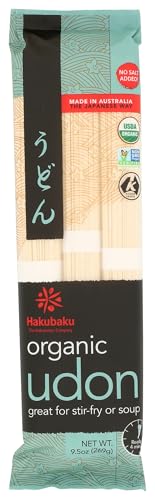
Brand: Hakubaku
Features: Authentic Japanese udon noodles; USDA organic; Halal and Kosher certified.
Best for: If you want a different noodle shape while staying in the buckwheat family, udon provides chewy thickness and heartier bite. Choose this when you need a satisfying, chunkier noodle option.
Limitation: Not soba; udon has a flour profile distinct from buckwheat soba. Use when a broader noodle set is desired.
Buying Guide — Whole Wheat Soba Noodles: Key Considerations
What should you evaluate before buying?
- Dietary needs: Look for 100% buckwheat if gluten-free is required, or blends if you’re not avoiding wheat entirely.
- Texture and bite: Pure buckwheat soba tends to be nuttier and firmer; blends offer a milder flavor and more forgiving texture.
- Cooking time: Quick-cook options save time. Some noodles benefit from light rinsing and brief rest to set texture.
- Versatility: If you plan both hot soups and cold salads, choose noodles labeled for multi-purpose use.
- Storage and handling: Air-dried and dried noodles store well; delicate 100% buckwheat types require careful handling to avoid breakage.
How to Use and Pair
- Classic soba noodle bowls: warm broth, sliced scallions, mushrooms, and a soy-based tare.
- Cold soba dishes: rinse after cooking to remove starch, then toss with sesame oil, scallions, and a light vinaigrette.
- Stir-fries: briefly blanch, then toss with vegetables and a light sauce to keep noodles from clumping.
FAQ
- What is the main difference between 100% buckwheat soba and buckwheat-wheat blends? Mostly flavor and texture; 100% buckwheat is nuttier and finer, while blends are smoother and more elastic.
- Can I substitute soba for spaghetti? Yes, in many hot or cold dishes, but note the flavor and texture difference; adjust sauce or broth accordingly.
- Are soba noodles gluten-free? Pure 100% buckwheat soba is gluten-free, but most packaged soba includes a wheat component—check the label.
- How do I prevent soba from sticking after cooking? Rinse with cold water to remove surface starch, then toss with a light oil if not serving immediately.
- How long do soba noodles stay fresh after opening? Follow the package guidance; many dried soba last several months when stored in a cool, dry place.
- Is udon a replacement for soba? Udon is a different noodle type (thicker, chewier). Use it when you want a substantial bite rather than a buckwheat flavor.
Buying guide summary: When choosing whole wheat or buckwheat soba, prioritize buckwheat content, texture expectations, and intended use (hot vs cold). For gluten-free needs, lean toward 100% buckwheat options. For convenience and flexibility, buckwheat-wheat blends provide reliable performance across dishes.
Leave a Reply