Best Gluten-Free Flours for Roux Thickening
Roux is the cornerstone of many gluten-free dishes, offering a rich base for gravies, sauces, and creamy soups. Choosing the right gluten-free flour ensures a smooth, velvety texture without gloopy chunks. The following five products are selected for their versatility, blend quality, and consistent results in gluten-free roux applications. Each option provides a different balance of starches and gums to help you tailor thickness, mouthfeel, and flavor to your recipes.
| Product | Brand | Notes |
|---|---|---|
| King Arthur Measure for Measure Gluten-Free Flour | King Arthur | 1:1 substitute for wheat flour; enriched and certified GF |
| King Arthur Gluten Free Bread Flour | King Arthur | 1:1 replacement for yeasted recipes; sorghum & xanthan |
| Molino Gluten Free All Purpose Flour | Molino Flour | All-purpose blend from wheat starch; European certification |
| GF Harvest Gluten Free Organic Oat Flour | GF Harvest | Organic, whole grain oat flour; gluten-free certified |
| Steve’s GF Bread Flour Blend | Authentic Foods | Original gluten-free bread flour; gum-free |
King Arthur Measure for Measure Gluten-Free Flour
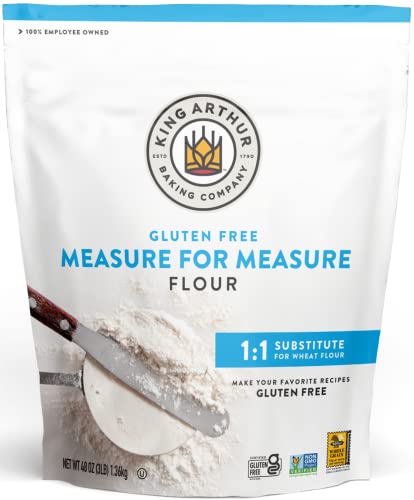
Brand: King Arthur. This versatile gluten-free all-purpose flour replaces wheat flour on a 1:1 basis for non-yeasted recipes, making it suitable for gluten-free cookies, cakes, muffins, pancakes, and sauces that require a stable roux foundation. The blend is fortified with iron, calcium, and vitamin B to maintain nutrition. It carries Non-GMO Project Verification, GFCO certification, and Kosher status, reinforcing safety and quality in gluten-free baking. For roux, this flour blends smoothly, helping sauces thicken without gritty texture.
King Arthur Gluten Free Bread Flour

Brand: King Arthur. This 1:1 gluten-free bread flour is designed for yeasted recipes, including artisan breads, bagels, and brioche-like doughs, with sorghum flour and xanthan gum for structure. The blend aims to mimic traditional wheat-based bread in texture and rise, which is beneficial when you need a sturdy roux base with a clean, smooth mouthfeel in pan sauces and gravies. The packaging emphasizes quality and consistent performance in gluten-free baking.
Molino Gluten Free All Purpose Flour

Brand: Molino Flour. A gluten-free all-purpose flour made from wheat starch with European certification. Its blend emphasizes taste and performance, providing a reliable thickening base for roux and gravies while maintaining a pleasant palate in baked goods. The product is marketed as a high-quality gluten-free option designed to closely resemble traditional all-purpose flour, with appropriate certification to support gluten-free claims in your kitchen.
GF Harvest Organic Oat Flour

Brand: GF Harvest. This organic, gluten-free oat flour is coarsely ground and packaged in resealable bags. Oat flour can yield a creamy, slightly sweet roux that thickens sauces with a smooth texture, though it behaves differently from starch-based flours. It’s a good option for gluten-free gravies and dairy-based sauces, especially when a lighter mouthfeel is desired. The product is non-GMO, kosher certified, and gluten-free.
Steve’s GF Bread Flour Blend

Brand: Authentic Foods. This is the original gluten-free bread flour blend designed for doughs that require a strong gluten-free structure. It’s gum-free, which can influence roux texture by providing a clean thickening base that blends well with liquids. It’s well-suited for pan breads and brioches and can yield a smooth, cohesive roux once properly hydrated and heated in gravies or sauces. The product emphasizes true dough performance without added gums.
Buying Guide: Key Purchase Considerations
- Flour type and thickening behavior: All-purpose gluten-free flours typically provide predictable roux results, while bread flours (gum-containing or gum-free) may yield firmer textures in sauces. Consider your preferred sauce thickness and mouthfeel.
- Ingredient blend: Flours based on wheat starch, sorghum, or oat can affect flavor and texture. For neutral-tasting roux, choose blends with minimal grain flavor and smooth starch matrices.
- Gums and texture: Some blends rely on xanthan gum, guar gum, or other stabilizers to mimic gluten. Gum-free formulations can produce a different thickening profile; test in small batches.
- Nutrition and labeling: Look for certifications (GFCO, Non-GMO, kosher) if dietary restrictions matter. Fortified blends (iron, calcium, B vitamins) add nutritional value but may alter flavor slightly.
- Versatility: If you cook a variety of dishes, select a flexible all-purpose flour that performs well in sauces, baked goods, and gravies. Bread-flour options excel in yeasted doughs but may require adjustments for gravies.
- Storage and freshness: Store in a cool, dry place. Some flours come in resealable packaging; otherwise, transfer to an airtight container to maintain freshness and prevent clumping.
- Allergen considerations: Check for cross-contact and facility certifications if you are sensitive to sesame, dairy, or other common allergens alongside gluten-free claims.
Leave a Reply