Best Rose Food for Knockout Roses: Top Fertilizers for Healthier Blooms
Knockout roses deserve reliable nutrition to keep blooming brightly from spring through fall. The right rose food supports robust root systems, vibrant blooms, and disease resistance. The products below are popular choices for American gardens and offer a mix of organic and conventional formulas to suit different preferences. Use the guidance here to choose a fertilizer that fits your rose care routine and climate. The list includes granular, water-soluble, and ready-to-use options that align with common knockout rose needs.
| Product | Brand | Type | Notes |
|---|---|---|---|
| BioAdvanced All-In-One Rose and Flower Care Fertilizer, Granules, 4 lb | BioAdvanced | Granular Plant Food + Insect & Disease Control | Promotes roots and blooms; pest and disease protection |
| Espoma Organic Rose-Tone 4-3-2 | Espoma | Organic Fertilizer | Long-running nutrient release; calcium; environmentally safe |
| Scotts Rose & Bloom Continuous Release Plant Food, 3 lb | Scotts | Granular, continuous release | Feeds up to 2 months; boosts blooms |
| Miracle-Gro Water Soluble Rose Plant Food, 1.5 lb | Miracle-Gro | Water-soluble | Instant feeding; frequent application every 7–14 days |
| Nelson Plant Food Rose Food for All Types of Roses (4 lb) | Nelson Plant Food | Granular, NPK 18-14-10 | Multiple nitrogen sources; strong stems and large blooms |
BioAdvanced All-In-One Rose and Flower Care Fertilizer
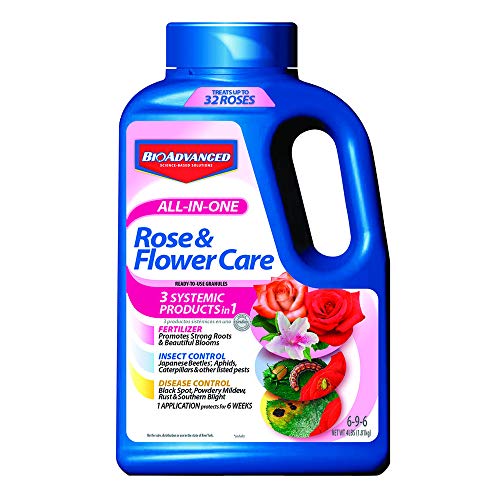
BioAdvanced All-In-One Rose and Flower Care Fertilizer granules provide a balanced nutrient mix designed to support strong root systems and prolific blooms in roses, hibiscus, irises, and related flowers. The formula includes a shield against common pests such as adelgids, aphids, and whiteflies, while also targeting diseases like Black Spot and Powdery Mildew. This combination can simplify garden care by delivering nourishment and protection in a single product. Use according to label directions to maximize flowering without encouraging excessive vegetative growth.
Espoma Rose-Tone 4-3-2 Organic Fertilizer
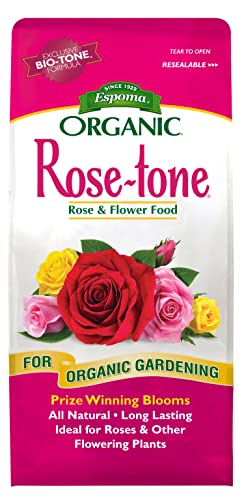
Espoma Rose-Tone is an organic 4-3-2 blend designed for all types of roses, including knockout varieties, and other flowering plants. It features a rich blend of natural ingredients enhanced with Espoma’s Bio-tone formula for beneficial soil microbes. The bag notes a monthly feeding schedule through the growing season (May–September) and no mixing is required. The calcium content supports cell wall strength, which can help roses resist environmental stress while producing steady blooms.
Scotts Rose & Bloom Continuous Release Plant Food

Scotts Rose & Bloom provides steady nourishment over time, with a stated two-month feeding cycle. This product emphasizes beauty and abundance in roses, as well as other flowering plants. The continuous-release format helps maintain steady nutrient availability, which can support consistent flowering while potentially reducing the frequency of applications. For best results, apply around the drip line and water in well according to the package guidelines.
Miracle-Gro Water Soluble Rose Plant Food

Miracle-Gro Rose Food is a water-soluble option designed for rapid uptake by plant roots. It claims faster visible response, and guidance suggests feeding every 7 to 14 days during the growing season. This product is suitable for gardeners who prefer quick results and a straightforward mixing process. Consider pairing with a regular watering schedule to optimize nutrient delivery and bloom development during peak growing periods.
Nelson Plant Food Rose Food (4 lb)
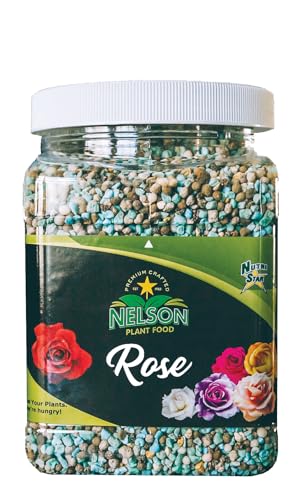
Nelson Plant Food Rose Food features a balanced NPK of 18-14-10 with multiple nitrogen sources to promote lush foliage, sturdy stems, and large, colorful blooms. It targets a broad range of rose varieties, including knockout varieties, and notes improved tolerance to dry conditions. The product is designed for regular application through the growing season, typically every two weeks in early spring and then at longer intervals, as conditions allow. This can support sustained flowering without excessive leaf growth.
Nelson Plant Food Rose Food (2 lb)

This Nelson option comes in a smaller 2-pound bag with the same 18-14-10 ratio and nitrogen sources as the larger variant. It is suitable for smaller gardens or for gardeners who want to test the product before committing to larger quantities. The recommended application cadence mirrors the larger bag’s guidance, encouraging regular feeding to support robust growth and big, colorful blooms across a range of rose types, including knockout roses.
BioAdvanced All-In-One Rose and Flower Care Concentrate

BioAdvanced All-In-One Rose and Flower Care concentrate provides a concentrated formula for strong roots, blooming, and protection against pests and diseases. It is designed for use on roses and a variety of flowering plants, delivering nutrients that support robust growth and vigorous flowering. The concentrate form allows for flexible dilution and application, aligning with different watering routines and garden sizes. Follow label directions for mixing and application rates to avoid over-fertilization.
Buying Guide
- Plant type and goal: Choose a product that matches knockout roses’ needs—ongoing blooming, disease resistance, or pest protection. Organic options like Rose-Tone favor soil health, while synthetic formulas may yield quicker results.
- Form and application: Granular and time-release options provide longer intervals between applications, while water-soluble formulas deliver rapid uptake. Select based on how often you can fertilize and your preferred method of application.
- NPK balance: For roses, higher nitrogen early in spring supports foliage and growth; mid-season blends with higher phosphorus and potassium promote blooms and plant resilience. Review label ratios to align with seasonal needs.
- Safety and environment: Organic blends generally have fewer synthetic inputs and are gentler on soil microbes. If you garden near pollinator habitats, consider formulations marketed as bee-safe and avoid excess nitrogen late in the season to prevent soft growth susceptible to cold damage.
- Disease and pest considerations: Some products combine fertilizer with pest and disease control. If your roses are prone to black spot or aphids, a product with listed protection may reduce additional sprays, but verify compatibility with your plant care plan.
- Application timing: Begin feeding after the last frost and resume through the growing season per label guidance. For knockout roses, stagger applications to avoid overfeeding and to prevent excessive vegetative growth at the expense of blooms.
- Soil and climate: Adjust feeding frequency for soil type (sandy, clay, or loam) and local climate. Drier climates may benefit from slower-release formulas that maintain moisture use efficiency, while humid regions may require more frequent, lighter applications.
- Container vs. in-ground: Containers need more frequent feeding due to leaching. For pots, choose a soluble formula or a controlled-release product designed for containers and follow package directions to prevent root burn.
In summary, selecting the right rose food for knockout roses involves balancing growth, bloom production, and plant health with your preferred gardening style. Whether you prioritize organic ingredients or a fast-acting boost, the options above cover a broad range of approaches. Always follow label instructions and consider integrating soil testing or a seasonal feeding plan to maximize bloom production while maintaining plant vigor throughout the growing season.
Leave a Reply