Best Food for Hydrangeas — Top Plant Foods for Vibrant Blooms
Hydrangeas respond best to balanced feeds and acid-loving formulas that support soil acidity and nutrient uptake. This guide highlights five highly relevant hydrangea fertilizers, focusing on acid-loving performance, bloom color, and easy-to-follow application directions. Each product is chosen for reliability, broad availability, and clear instructions to help American gardeners achieve lush foliage and spectacular blossoms.
| Product | Brand | Type | Key Benefit |
|---|---|---|---|
| Hydrangea Fertilizer for Acid Loving Plants | TPS NUTRIENTS | Liquid fertilizer | Complete fertilizer; easy to apply; promotes vibrant blooms |
| GARDENWISE 8-4-8 Acidic Fertilizer | GARDENWISE | Acidifying granular fertilizer | Soil acidification and micronutrients for chlorosis prevention |
| Miracle-Gro Miracid Acid-Loving Plant Food | Scotts | Water-soluble fertilizer | Instant feeding for acid-loving plants |
| 16oz Hydrangea Fertilizer Liquid | HiThrive | Liquid plant food | Supports growth and vibrant blooms with balanced N-P-K |
| Espoma Holly-Tone 4-3-4 | Espoma | Organic granular fertilizer | Long-lasting nutrients for acid-loving plants |
Note: All products listed are suitable for hydrangeas and are commonly used by American gardeners. Always follow label directions for timing, quantities, and safety recommendations.
Hydrangea Fertilizer for Acid Loving Plants

Hydrangea Fertilizer for Acid Loving Plants, Liquid Plant Food 8 oz
TPS NUTRIENTS’ liquid plant food is a complete fertilizer designed to support vibrant hydrangeas. It focuses on essential macronutrients to promote lush growth and plentiful blooms. The product includes clear care instructions to help gardeners apply correctly, whether feeding perennials in the landscape or potted hydrangeas indoors. Liquid formulas enable rapid nutrient availability for faster visible results compared with some granular options.
GARDENWISE 8-4-8 Acidic Fertilizer

GARDENWISE 8-4-8 Acidic Fertilizer
This acidifying fertilizer is enriched with magnesium, iron, and manganese to prevent chlorosis in acid-loving plants, including hydrangeas. It doubles as a soil acidifier, helping hydrangeas access essential nutrients in less neutral or alkaline soils. The product also emphasizes beneficial soil biology through a bio-solid component, which can support microbial activity and overall soil health.
Scotts Miracle-Gro Miracid Acid-Loving Plant Food
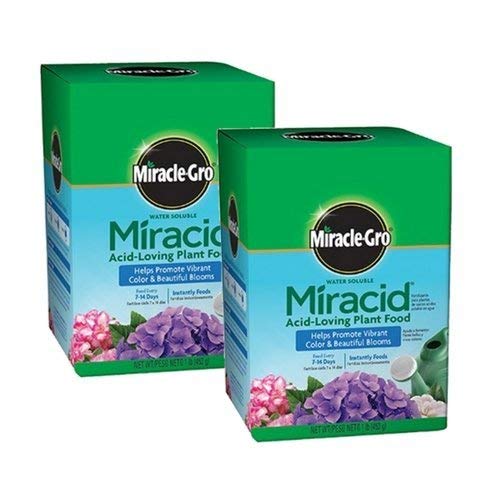
Scotts Miracle-Gro Miracid
Miracid is a water-soluble fertilizer tailored for acid-loving plants like hydrangeas. It provides immediate nutrient delivery to both roots and leaves, supporting rapid growth and flowering. Regular applications can help maintain vibrant color and strong stems, especially in containers or challenging soils where nutrient availability fluctuates.
16oz Hydrangea Fertilizer

16oz Hydrangea Fertilizer — Liquid
This HiThrive formula is designed to feed hydrangeas with a balanced nitrogen, phosphorus, and potassium mix, plus micronutrients like calcium, magnesium, and zinc. The product supports both indoor and outdoor hydrangeas, promoting leafy growth and robust blooms. It offers a straightforward measurement approach to yield consistent results across different growing environments.
Espoma Holly-Tone 4-3-4

Espoma Holly-Tone 4-3-4
Espoma Holly-Tone is an organic option that emphasizes long-lasting nutrition for acid-loving plants. Its Bio-Tone formula supports soil microbes, which aids nutrient release over time. This product is suitable for azaleas, hydrangeas, rhododendrons, blueberries, and other species that thrive in acidic soils, making it a versatile choice for mixed flower beds and garden borders.
Buying Guide: Key Purchase Considerations
- Soil pH and acidification: Hydrangeas often respond best when soil acidity is maintained. Choose formulations explicitly labeled for acid-loving plants or with an acidifying effect to enhance red or blue color development in some varieties.
- Form and application method: Liquid feeds offer rapid nutrient availability, while granular or slow-release formulas provide longer-lasting supply. Consider your planting setup (potted hydrangeas vs. garden beds) and watering routine when selecting a product.
- Nutrient balance: Look for N-P-K ratios that support balanced growth and flowering. For hydrangeas, balanced or slightly higher phosphorus (P) can support root development and bloom formation, with calcium and magnesium as micronutrients benefiting stalk strength and color stability.
- Iron and micronutrients: Iron, manganese, and magnesium help prevent chlorosis in acid-loving plants. If your soil tends toward iron deficiency, choose products with these micronutrients.
- Organic vs. synthetic: Organic options (like Espoma Holly-Tone) release nutrients slowly and support beneficial soil life, while synthetic formulas may yield quicker results. Your choice can depend on environmental goals and soil conditions.
- Container vs. in-ground: Container hydrangeas typically require more frequent feeding due to limited soil volume. Select products with clear guidance for container use and dilution rates if applicable.
- Follow-up practices: Hydrangeas benefit from a feeding plan attached to seasonal growth and flowering cycles. Pair fertilizer with proper watering and mulching to optimize nutrient uptake and soil moisture.
- Safety and labeling: Always read label directions for dosage, frequency, and any cautionary statements to protect plants, pets, and yourself.
Leave a Reply