Best Algae Omega 3 Supplements for Cardio, Brain, and Vision Health
Americans increasingly turn to algae-based omega-3s as a clean, sustainable alternative to fish oil. This article highlights top algae omega-3 products, detailing DHA and EPA content, sourcing, and benefits for heart, brain, and eye health. Each option is plant-based, carrageenan-free, and suitable for vegetarians and vegans. Read on to compare formulations, third-party testing, and overall value to help you choose the right algae oil supplement.
| Product | Brand | Servings | Key Benefit |
|---|---|---|---|
| MAV Nutrition Algae Oil 60 Softgels | MAV NUTRITION | 60 | High DHA & EPA per serving; carrageenan-free |
| Micro Ingredients Vegan Omega 3 | Micro Ingredients | 240 | Full-spectrum 3-in-1 with flaxseed & ALA |
| MAV Nutrition Algae Oil 120 Softgels | MAV NUTRITION | 120 | Third-party tested; USA manufactured |
| Freshfield Vegan Omega 3 Algae Oil | Freshfield | Varies | Third-party tested; carrier-free formula |
| Nordic Naturals Algae Omega | Nordic Naturals | 60 | Certified vegan; plant-based EPA & DHA |
MAV Nutrition Algae Oil 60 Softgels

MAV Nutrition’s Vegan Omega 3 Algae Oil delivers a robust 550 mg of essential plant-based omega-3 fatty acids per serving, including 450 mg DHA and EPA. The formula is carrageenan-free and produced in a USA facility, aligning with quality and safety standards. The product is marketed as a fish oil alternative that supports heart, brain, and eye health, while being environmentally friendly due to its algae origin. Each bottle provides 30 servings, presenting a compact option for daily use and easy rotation with other supplements.
Micro Ingredients Vegan Omega 3 Algae Oil

Micro Ingredients offers a full-spectrum algae-based omega-3 with 3-in-1 health benefits, incorporating flaxseed oil and ALA to complement DHA and EPA. Each pouch contains 240 vegetarian softgels, with a serving size totaling 1,250 mg of plant-based algal oil, including 500 mg DHA, 100 mg DPA, 80 mg flaxseed oil, and 40 mg ALA. The formula emphasizes a carrageenan-free, fish-free profile designed to minimize fishy aftertaste and support digestion. This product is positioned for both men and women seeking a plant-based omega-3 solution with high DHA intake.
MAV Nutrition Algae Oil 120 Softgels
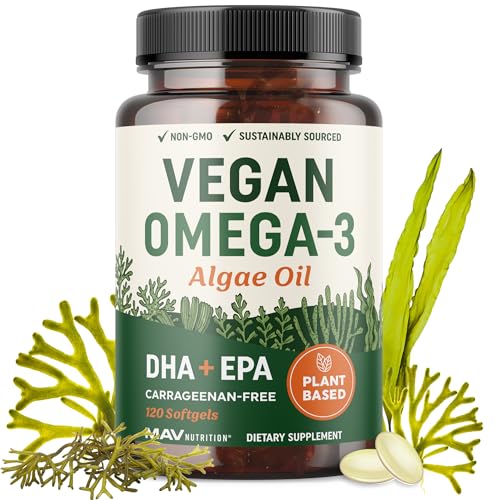
This larger bottle from MAV Nutrition offers 120 servings with the same high-clarity, third-party tested formulation. Key features include 550 mg omega-3 per serving (450 mg DHA & EPA) and a carrageenan-free composition. The product emphasizes sustainability—microalgae sourcing in the USA—while maintaining a focus on heart, brain, and eye health. It is positioned as a reliable daily algae-based alternative for long-term use and for households seeking greater value per bottle.
Freshfield Vegan Omega 3 Algae Oil

Freshfield’s algae-based omega-3 stands out with a strong emphasis on third-party testing and safety. The product is carrageenan-free and sourced from algae grown in controlled environments to ensure batch consistency. It highlights DHA and DPA content, with a focus on delivering plant-based omega-3s free from common ocean contaminants such as mercury. The hexane-free enzymatic extraction process supports purity, making this a favorable option for consumers prioritizing laboratory verification and clean production methods.
Nordic Naturals Algae Omega (60 Soft Gels)

Nordic Naturals Algae Omega provides a vegan-friendly source of EPA and DHA derived from microalgae. The product is certified vegan by the American Vegetarian Association and designed to support heart, eye, immune, and brain health. With 715 mg of omega-3 per serving, it offers a potent dose in a plant-based format. The product emphasizes non-GMO ingredients and a sustainable production model, appealing to consumers seeking a straightforward, plant-based omega-3 solution from a well-known brand in the supplement space.
Buying Guide: Key Considerations For Algae Omega 3 Supplements
- Daily DHA and EPA targets: Look for explicit dha and epa per serving. Higher DHA is often linked to brain and eye health, while EPA supports heart function and inflammation management.
- Source and purity: Verify algae origin, potential third-party testing, and manufacturing standards (GMP, US-based facilities). Carrageenan-free formulas are common preferences.
- Concentration and serving size: Some products offer higher mg per softgel; others provide more servings per bottle. Consider daily dosage and frequency that fits your routine.
- Form and taste: Softgels with lemon or natural flavors can reduce fishy aftertaste; carrageenan-free options may appeal to those with sensitivities.
- Allergen and dietary compatibility: Most options are vegan and non-GMO, but always check for added ingredients like flaxseed oil, ALA, or DPA which can influence absorption and experience.
- Transparency and testing: Third-party verification (e.g., independent labs) helps confirm purity, heavy metals limits, and potency.
- Environmental impact: Algae-based omega-3s generally have smaller ecological footprints than fish oil, appealing to sustainability-minded consumers.
- Package quantity and cost per serving: Compare bottle size, price per softgel/serving, and long-term affordability for consistent use.
- On-market versatility: Consider compatibility with other supplements (e.g., multivitamins) and any dietary restrictions (vegan, carrageenan-free).
When selecting an algae omega-3 supplement, consumers should balance DHA/EPA ratios, sourcing transparency, and the ability to meet daily omega-3 targets without fishy aftertaste. The options above provide a spectrum—from high-DHA concentrates to full-spectrum algal oil blends—catering to varied dietary preferences and health goals. This approach supports a well-rounded plant-based omega-3 strategy that aligns with both personal health priorities and environmental considerations.
Leave a Reply