Best Food for Roses: Top Fertilizers for Healthier Blooms
Roses thrive when they receive steady, balanced nutrition. The right plant foods help strengthen roots, encourage robust growth, and deliver vibrant blossoms throughout the growing season. This guide highlights five top-rated rose fertilizers available on Amazon, detailing how each product supports roses and other flowering plants. Use these picks to tailor feeding to your rose varieties, climate, and garden goals.
| Product | Brand | Key Benefit |
|---|---|---|
| Scotts Rose & Bloom Continuous Release Plant Food, 3 lb | Scotts | Steady feeding up to 2 months; blooms for roses, annuals, perennials |
| BioAdvanced All-In-One Rose and Flower Care Fertilizer, Granules, 4 lb | BioAdvanced | Promotes strong roots and blooms; built-in pest and disease protection |
| Miracle-Gro Water Soluble Rose Plant Food, 1.5 lb | Miracle-Gro | Instant feeding; promotes bigger, more beautiful roses |
| Espoma Organic Rose-Tone 4-3-2 Organic Fertilizer | Espoma | Organic, ready-to-use; monthly feeding through growing season |
| Burpee Organic Bloom Granular All-Natural Food | Burpee | Organic, long-lasting nutrients with beneficial microbes |
Note: The products listed are intended for a variety of garden setups, from container roses to more established garden beds. Always follow label directions for best results and consider testing your soil to tailor the feeding regimen to your roses’ specific needs.
Scotts Rose & Bloom Continuous Release Plant Food

Scotts Rose & Bloom is a time-release formula designed to feed roses and other flowering plants gradually. The product aims to promote steady bloom production by delivering nutrients over an extended period, reducing the need for frequent applications. It’s suited for both in-ground roses and ornamental plantings, helping maintain steady color and vigor through the growing season. Use according to package directions for best results, and consider aligning feed cycles with your local climate and rose varieties.
BioAdvanced All-In-One Rose & Flower Care
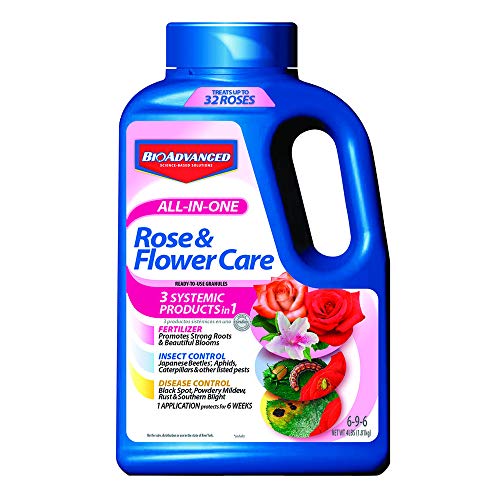
BioAdvanced combines feeding with pest and disease protection in one granular formula. It’s designed to support robust root development and vibrant blooms in roses and other flowering plants, while also helping shield foliage from common threats such as aphids and whiteflies. This makes it a practical choice for gardeners seeking combined nutrition and defense, particularly in yards with mixed flowering borders. Follow the label for application timing and amounts to optimize both growth and protection throughout the season.
Miracle-Gro Water Soluble Rose Plant Food

Miracle-Gro Rose Plant Food is a quick-acting solution designed to boost growth and bloom size. It starts feeding instantly and is recommended for periodic applications every 7 to 14 days during the active growing period. The water-soluble format makes it convenient to apply with a watering can or sprinkler system, delivering essential nutrients rapidly to support larger, fuller blooms and healthier foliage across rose varieties.
Espoma Organic Rose-Tone Fertilizer
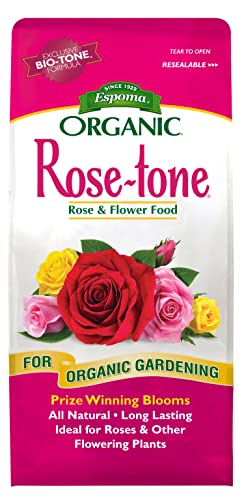
Espoma Rose-Tone is an organic, ready-to-use formula designed specifically for roses and other flowering plants. It features a 4-3-2 NPK ratio with added calcium and beneficial microbes (Bio-tone) to support soil biology. This product is noteworthy for gardeners who prefer organic feeding, with a monthly application cadence throughout the growing season. It’s suitable for container plants and established garden roses alike, delivering steady nourishment with an emphasis on soil health.
Burpee Organic Bloom Granular

Burpee’s Organic Bloom Granular is formulated as a natural, OMRI-listed option for organic gardening. It provides a quick nutrient release along with slow-release feeding that can sustain roses and other flowering plants for several months. The product often includes beneficial microbes to promote strong roots, enhanced color, and more prolific bloom production. It’s a practical choice for container gardening, beds, or border plantings where organic inputs are preferred.
Buying Guide: Key Purchase Considerations
When selecting a rose fertilizer, consider these dimensions to tailor your choice to your garden’s needs:
- NPK Ratio: Different roses benefit from different nitrogen, phosphorus, and potassium balances. Higher nitrogen promotes lush foliage, while balanced blends support blooms and plant health. Organic blends often have slower nutrient release but improve soil biology over time.
- Organic vs Synthetic: Organic formulations (e.g., Espoma Rose-Tone, Burpee Organic Bloom) support soil health and are preferred for organic gardening, while synthetic blends (e.g., Miracle-Gro Rose Food) provide quick results but may require more frequent applications.
- Release Type: Time-release or soluble formulas affect how often you feed. Time-release products reduce maintenance but still require seasonal applications, while water-soluble options offer rapid uptake after mixing with water.
- Coverage and Application: Consider the plant size, container vs garden bed, and spacing. Products labeled for roses may specify how many plants they cover or how to apply at the drip line.
- Soil Conditions: Testing soil pH and nutrient levels helps you select an option that addresses deficiencies (e.g., calcium-rich formulas) or avoids over-fertilizing in poor soils.
- Pest and Disease Considerations: Some products include built-in pest or disease protection, which can be advantageous in regions with common rose ailments. Always verify compatibility with your plant varieties.
- Container and Bed Suitability: Certain formulas are better suited for container roses, while others are designed for established garden beds. Read label directions to ensure the product matches your planting setup.
- Safety and Handling: Follow label instructions for application timing, especially around children and pets. Organic options tend to involve less risk of chemical runoff but still require careful handling.
In summary, choose a fertilizer that aligns with your roses’ growth stage, garden style (organic vs. conventional), and local climate. Whether you prefer the ease of a continuous-release feed, the immediacy of water-soluble formulas, or the long-term benefits of organic blends, the right rose food helps sustain vibrant color and healthy blooms across the season.
Leave a Reply