Best Companion Plants for Peas: Grow a Thriving, Pollinator-Friendly Garden
Peas thrive when planted with thoughtful companions that support their growth, deter pests, and boost yields. This article highlights top pea varieties from trusted seed brands and explains how to pair them with compatible companions for a healthier, more productive garden. Read on to discover five prime pea choices and practical planting tips that suit American home gardens in cool-season climates.
| Product | Brand | Key Benefit | Ideal Planting Companion Tip |
|---|---|---|---|
| Sow Right Seeds Sugar Snap Pea Seeds | Sow Right Seeds | Heavy yields, 5-6′ vines | Pair with shallow-root herbs and tall nasturtiums to attract beneficial insects |
| Survival Garden Seeds Oregon Sugar Pod II Pea Seeds | Survival Garden Seeds | Short, productive vines | Trellis support alongside lettuce or spinach for easy harvest |
| Sugar Ann Dwarf Pea Seeds | Survival Garden Seeds | Dwarf, easy for containers | Plant near compact herbs; good for small-space gardens |
| KVITER Pinkeye Cow Pea Seeds | KVITER | Reliable, fast production | Grow with peppers or corn as a succession crop |
| Desiree Snow Pea Seeds | Sow Right Seeds | Ornamental purple pods and edibles | Consider a trellis with flowering companions for pollinators |
Introduction continues: Companion planting for peas focuses on providing structural support, shading during warmer days, attracting beneficial insects, and minimizing pest pressure. The five selections below are reliable, non-GMO options suitable for home vegetable gardens across USDA zones 3–10. Each entry includes key features to help you pair peas with compatible plants, maximize space, and maintain soil health. All varieties are well-suited to cool-season conditions and offer tasty harvests for fresh eating or cooking.
Sow Right Seeds Sugar Snap Pea Seeds
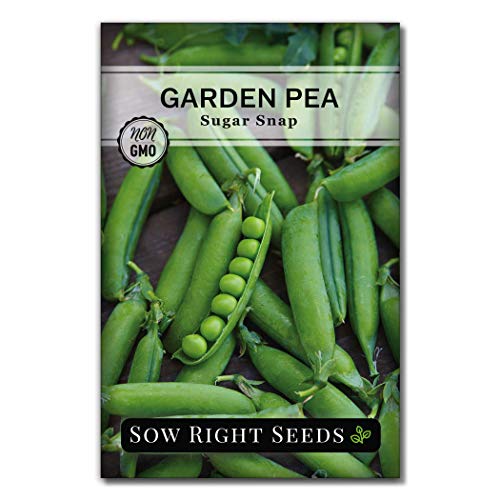
Beautiful and productive, these Sugar Snap Pea seeds grow into tall vines (5-6 feet) with large, crunchy pods. The seeds are non-GMO and heirloom, with a strong germination window and heavy yields. Plant 1 inch deep and space 3-6 inches apart in full sun. Pods mature in 50-65 days, making them an excellent early-season harvest in cool climates. Companion planting tips include integrating light-scented herbs nearby to attract beneficial insects and help deter aphids, while taller plants can provide early season shade to reduce heat stress in warmer regions.
Survival Garden Seeds Oregon Sugar Pod II Pea Seeds

Oregon Sugar Pod II produces four-inch snow pea pods on compact vines that reach about 28 inches. These are ideal for trellising and easy harvesting in small spaces. Germination occurs in 7–10 days at 65°F+, and the plants thrive with regular moisture and sun. For best results, place this variety near early-season greens and herbs to attract pollinators and provide habitat for beneficial insects that help control pests.
Sugar Ann Dwarf Pea Seeds

Sugar Ann Dwarf peas offer a compact growth habit, making them ideal for containers, urban gardens, and small plots. The vines reach modest heights and produce sweet, edible green pods early in the season. Plant 1 inch deep, 2-6 inches apart, in full sun. Their dwarf stature makes them easy to manage alongside shallow-rooted herbs and lettuces, while their sweet pods pair well with garden greens for quick, fresh meals.
KVITER Pinkeye Cow Pea Seeds

KVITER Pinkeye Cow Pea seeds produce top-set pods on compact, semi-vining plants with clean harvests. Pods turn purple at maturity and offer a creamy, earthy flavor. Maturity comes in approximately 65 days, and germination occurs in 7–10 days at 65°F+. These heirloom seeds are well-suited to summer garden rows and can be grown near corn or peppers to create productive, multi-tiered planting schemes that maximize space and yield.
Desiree Snow Pea Seeds

Desiree Snow Pea seeds grow into dwarf to medium-height bushes with pink blooms and purple-tinted pods. This cool-season variety matures in 60-75 days and tolerates cooler temperatures well, making it a reliable early harvest candidate. Use trellises to maximize vertical space, and plant beside flowering herbs or onions—both deter pests while attracting pollinators and beneficial insects that support peas and neighboring crops.
Buying Guide: Key Purchase Considerations And Comparisons
Objective buyers evaluate seed quality, variety traits, and garden goals when choosing pea seeds. Consider these perspectives:
- Growth habit and space: Dwarf or compact varieties are ideal for containers or tight beds, while tall vining types require trellising.
- Harvest timeline: Early-maturing cultivars speed up fresh harvests, which is beneficial for cool-season regions with short springs.
- Pod type and flavor: Sugar snaps, snow peas, and snap peas offer different textures and culinary uses; select based on preferred cooking methods and fresh eating.
- Germination and soil needs: Most peas prefer cool soil and well-drained fertility; ensure good seed-to-soil contact for reliable germination.
- Companion planting strategy: Peas fix nitrogen and benefit from companions that use shallow roots, attract pollinators, or deter pests without competing for nutrients.
Comparison snapshot:
- Sugar Snap Peas (Sow Right Seeds): Tall, productive vines; great for trellises and fresh pods.
- Oregon Sugar Pod II (Survival Garden Seeds): Shorter vines; easy to harvest with trellis support.
- Sugar Ann Dwarf (Survival Garden Seeds): Very compact; ideal for containers and urban gardens.
- Pinkeye Cow Pea (KVITER): Robust summer crop with clean pods; versatile in dishes.
- Desiree Snow Peas (Sow Right Seeds): Ornamental and edible; good for early-season color and flavor.
All selected varieties are non-GMO and designed for home gardens in diverse conditions. For best results, rotate crops to maintain soil health, monitor soil moisture, and provide light, supportive structures such as trellises for vertical growth. Combining peas with compatible companions helps create a resilient, productive garden that yields flavorful harvests season after season.
Leave a Reply