Best Organic Oatmeal for Babies: Gentle First Foods for Growing Minds
Choosing the right oatmeal for your baby supports healthy growth, iron intake, and easy digestion as they transition to solids. This guide highlights top organic oat-based cereals and gentle grain blends designed for infants, with a focus on iron fortification and minimal ingredients. Explore five trusted options that emphasize whole grains, organic farming, and baby-friendly textures to help parents make informed choices.
| Product | Brand | Key Points |
|---|---|---|
| Earth’s Best Organic Whole Grain Oatmeal Cereal, 8 oz | Earth’s Best | Iron fortified; simple organic oat flour; suitable for first solids |
| Earth’s Best Organic Whole Grain Multi-Grain Cereal, 8 oz Box (Pack of 12) | Earth’s Best | Iron fortified; mix of oat, spelt, barley; gentle transition solid food |
| Gerber Stage 1 Organic Baby Oatmeal Cereal, 14 g | Gerber | Stage 1 cereal; 14 g whole grains per serving; iron and zinc |
| Gerber Baby Cereal Organic 2nd Foods, Grain & Grow, Oatmeal Banana | Gerber | Non-GMO grains; real fruit; supports daily iron intake |
| Holle Organic Wholegrain Four Grain Cereal, 8 oz | Holle | Organic blend (four grains); iron fortified; gentle texture |
Earth’s Best Organic Whole Grain Oatmeal Cereal
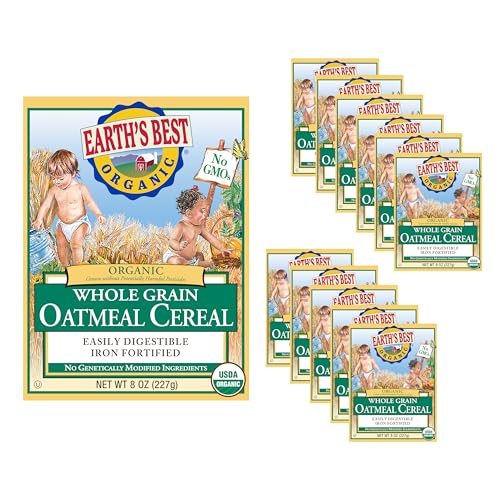
Earth’s Best Organic Whole Grain Oatmeal Cereal is designed for infants beginning solid foods. This 8 oz box is fortified with iron to support growth and development during early stages. The cereal uses organic whole grain oat flour, delivering a gentle, easily digestible texture ideal for babies new to cereals. Preparation typically involves mixing with formula, breast milk, or water to reach a smooth consistency suitable for feeding between 4 to 6 months and beyond.
Earth’s Best Organic Whole Grain Multi-Grain Cereal

This multi-grain cereal combines oats, spelt, and barley for a varied texture while remaining gentle on tiny tummies. Fortified with iron, it supports your baby’s nutritional needs as they explore new flavors and textures. Like other first foods, it should be prepared with breast milk, formula, or water to a smooth, mashable consistency. It’s well-suited for gradual introduction to solids for babies around 4 to 6 months and older as appetite grows.
Gerber Stage 1 Organic Baby Oatmeal Cereal

Gerber Stage 1 Organic Baby Oatmeal Cereal is crafted for a baby’s first bites, offering a practical, quick-to-mix solution. Each serving delivers a robust amount of iron and zinc to support early development, with 14 grams of whole grains per serving. This stage 1 cereal is designed for babies who can sit with help and are ready to begin solid foods, providing a reliable foundation for introducing oatmeal into a balanced diet.
Gerber Organic 2nd Foods, Grain & Grow, Oatmeal Banana

Gerber’s Organic 2nd Foods line introduces variety while maintaining essential nutrition. This oatmeal banana blend uses organic grains and real fruit to create a flavorsome option that still provides a solid iron baseline for your infant’s growth. It’s designed for babies ready for more texture, while continuing to be simple to prepare with breast milk, formula, or water to achieve an appropriate consistency.
Holle Organic Wholegrain Four Grain Cereal

Holle Organic Wholegrain Four Grain Cereal combines four grains to create a wholesome, textured option for babies transitioning to solids. While not limited to oats, its organic blend offers a balanced nutrition profile and is fortified with iron. The mix supports gradual exposure to diverse grains, aligning with slow, steady feeding practices for infants who are ready for more complex cereals.
Buying Guide: Key Purchase Considerations
- Iron fortification: Iron is crucial for development in the first year. Look for cereals labeled iron fortified and check daily value percentages per serving.
- Ingredient simplicity: Organic dishes with a short ingredient list reduce potential additives. Whole grain oats are preferred for smooth digestion.
- Texture and stage: Stage 1 cereals suit babies beginning solids; Stage 2 options provide more texture. Start with smooth, gradually increasing texture as tolerance grows.
- Certifications and sourcing: Organic certification and non-GMO claims reflect farming practices and ingredient quality. Organic farming standards vary by country and brand.
- Allergen considerations: If suspected sensitivities exist, verify gluten content and potential cross-contamination warnings on packaging.
- Feeding progression: Rotating cereals (oats, mixed grains, fruit-infused varieties) can support acceptance and palate development while maintaining nutrition.
- Preparation method: Most cereals mix with formula, breast milk, or water. Achieve desired consistency from thin mash to thicker porridge as baby progresses.
- Storage and shelf life: Keep unopened boxes in a cool, dry place; refrigerate any prepared portions if needed and follow safe feeding guidelines.
- Practicality: Consider packaging size (single-serve pouches vs. larger boxes) based on your feeding routine and travel needs.
- Evidence and labeling: Rely on products with transparent ingredient lists and clear nutrition information to support informed decisions.
These options represent a spectrum of oats-based and mixed-grain cereals suitable for babies in the early stages of solid foods. When selecting a product, caregivers should align choices with their baby’s developmental readiness, dietary preferences, and any pediatrician recommendations to support healthy growth and eating habits.
Leave a Reply