Best Cucumbers to Grow for Pickling in Your Garden
Growing cucumbers for pickling at home is a straightforward way to enjoy crisp, fresh flavors all season. This guide highlights reliable, high-yield varieties ideal for homemade dill and sweet pickles. Each featured cucumber tends to mature in a shorter window and performs well in common American gardens. Explore options that balance disease resistance, productive yields, and varied fruit sizes to suit your canning and snacking needs.
| Product | Brand | Notes |
|---|---|---|
| Sow Right Seeds National Pickling Cucumber Seeds (1) | Sow Right Seeds | Burpless, self-pollinating, 55–65 days, ideal for pickles; 39 seeds per packet. |
| Burpee Pick-A-Bushel Pickling Cucumber Seeds | Burpee | 10–20 white-spined pickling cucumbers per plant; 3–6″ fruit ideal for pickling. |
| Organic Boston Pickling Cucumber Seeds | Purely Organic Products LLC | Organic, open-pollinated heirloom; 3–6″ cucumbers with classic flavor. |
| Cucumber Boston Pickling Cucumber Seeds (Country Creek) | COUNTRY CREEK ACRES | Old-fashioned pickle flavor; easy to grow and productive. |
| TKE Farms Marketmore 76 Cucumber Seeds | TKE FARMS & GARDENS | Long harvest window; crisp, sweet cucumbers, strong germination. |
The following sections spotlight five top pickling cucumber varieties chosen for home gardeners who value flavor, reliability, and ease of growing. Each entry includes a quick overview and practical growing notes to help you decide which cucumber best fits your climate and kitchen needs.
Sow Right Seeds National Pickling Cucumber (1)
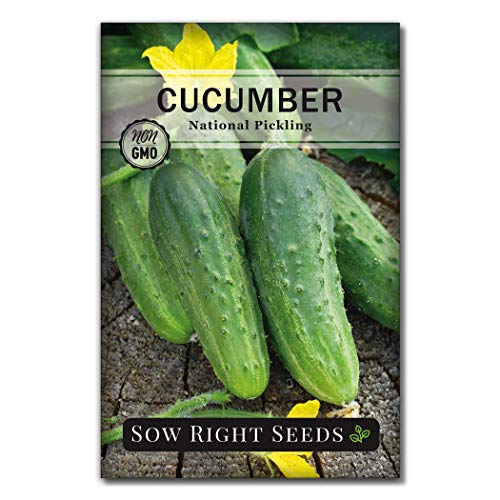
Beautiful, full-color seed packet featuring the National Pickling Cucumber (Cucumis sativus). This heavy-producing, self-pollinating variety is burpless and well-suited for pickles or fresh eating. Skins are sweet and do not require peeling. Each packet contains about 39 seeds (roughly 1g). Germination typically begins in 7–10 days when soil temperatures exceed 70°F. Plants grow about 12 inches tall with a 36-inch spread and mature in 55–65 days. Suitable for USDA zones 4–12. Maximizes yields when trained on a trellis, whether in the ground, containers, or greenhouses.
Growing tip: Space 18–48 inches apart in full sun to optimize air circulation and minimize disease. This variety adapts to trellis systems, helping you harvest uniform, straight cukes ideal for traditional dill pickles or bread-and-butter varieties.
Sow Right Seeds National Pickling Cucumber (2)

Another entry in the same trusted National Pickling series, this packet also emphasizes heavy production, burpless fruit, and easy garden performance. Expect similar germination timelines and plant habit, with great results for both fresh eating and pickling. Each packet provides enough seed for a standard home garden, facilitating multiple plantings across the growing season with proper succession.
Burpee Pick-A-Bushel Pickling Cucumber Seeds

Known for its All-America Selections recognition, Pick-A-Bushel is a semi-bush cucumber designed for abundant yields of 3–6-inch pickling fruits. Each packet contains 30 non-GMO seeds. Burpee emphasizes higher-than-average germination rates, supporting robust early growth and a steady harvest through typical summer conditions. The plant’s disease resistance helps reduce losses in variable weather.
Growing note: This variety suits container gardens and traditional plots alike. It tolerates a range of conditions and is a solid choice for gardeners prioritizing reliable harvests and consistent pickle quality.
Organic Boston Pickling Cucumber Seeds

Organic, non-GMO, open-pollinated Boston Pickling Cucumbers carry historical depth with modern organic growing practices. These seeds produce uniform, bright green fruits measuring 3–6 inches, well-suited for classic pickling and fresh use. The variety benefits from full sun and well-drained soils. Being heirloom-adapted, it preserves traditional pickle flavors while offering dependable performance in organic garden beds.
Tip: Maintain steady soil moisture and provide trellis support if space allows, to maximize air circulation and fruit quality during peak heat.
Cucumber Boston Pickling (Country Creek Acres)

This heirloom-style variety emphasizes traditional pickle flavor with easy cultivation. Pack a productive yield with compact growth habit, making it a good choice for smaller gardens or balcony planters. The fruit typically stays crisp and tender, ideal for refrigerator or traditional canning methods. The seeds cater to home canners seeking reliable, repeatable results year after year.
TKE Farms Marketmore 76 Cucumber Seeds

Marketmore 76 offers a long harvest window and crisp, sweet cucumbers ideal for fresh eating and pickling. Seeds are sourced for high germination, supporting a dependable early start and abundant harvests. The package includes straightforward growing instructions, making this variety accessible to gardeners at any skill level, suitable for indoor or outdoor cultivation and adaptable to different soil types.
Sow Right Seeds National Pickling Cucumber (4)

This entry reiterates the National Pickling line, offering a compact, reliable option for home pickle preparation. The seeds deliver strong germination, with the same 55–65 day maturity window. A versatile choice for gardeners seeking a steady supply of cucumbers for a variety of pickling styles, including dills and sweet bread-and-butter varieties.
Survival Garden Seeds National Pickling Cucumber

Survival Garden Seeds offers a crisp, short cucumber with a 50–60 day maturation period. This heirloom non-GMO variety emphasizes reliability for home canning and fresh use, producing 5–6 inch fruits that are particularly well-suited for traditional pickling processes. The compact growth habit supports small-space gardens, making it accessible for urban gardeners and community plots alike.
Buying Guide: Key Purchase Considerations
- Fruit size and shape: For classic dills, look for 3–6 inch fruits; for relish or gherkins, consider smaller, 2–4 inch varieties.
- Growth habit: Bush or semi-bush types suit smaller spaces; vining types can maximize yields in trellised setups.
- Harvest window: A longer harvest window provides flexibility for staggered picking and continuous canning opportunities.
- Germination and vigor: High germination rates reduce gaps in the garden and support early yields.
- Disease resistance: Varieties with resistance to common cucumber diseases minimize losses in humid climates.
- Growing conditions: Favor full sun, well-drained soil; ensure consistent moisture without waterlogging to prevent fruit cracking.
- Organic vs. non-GMO: If organic gardening is a priority, select organic seed options and verify certifications where applicable.
- Storage and canning suitability: Consider cucumber varieties known for crisp texture after processing and long-term shelf stability.
- Availability and packaging: Seed packet size and seed count influence how many plantings you can schedule in a season.
- Climate compatibility: Check regional zone recommendations (e.g., USDA zones 4–12) to match your growing season length.
When planning, mix a few reliable pickling varieties with a couple that perform well in containers or trellises. This approach helps ensure successive harvests and a steady supply for canning projects, salads, and fresh eating. Maintain soil fertility with balanced nutrients and organic matter, and practice crop rotation to reduce disease pressure across growing seasons.
Leave a Reply