Best Companion Plants for Okra in a Productive Garden
For gardeners growing okra, companion planting can improve pollination, deter pests, conserve moisture, and maximize yields. This guide highlights effective companions that work well with okra’s tall, warm-season profile, while also recommending top okra seed options from trusted brands. Reading through practical insights and seed choices helps you plan a thriving, low-stress bed for a full summer harvest.
| Product | Brand | Notes |
|---|---|---|
| KVITER Clemson Spineless 80 Okra Seeds | KVITER | Heirloom, organic, dense yields; good starter for warm sites |
| Survival Garden Seeds Okra Seed Collection | SURVIVAL GARDEN SEEDS | Mixed varieties for color and staggered harvest; scarification tips |
| Okra Seeds Blondy | Axel’s Garden Seeds | Heirloom, non-GMO; reliable classic okra variety |
| Plant Good Seed Organic Heavy Hitter Okra | Plant Good Seed | Very tall plants, heavy yields; certified organic |
| Emerald Okra Seeds | Sow Right Seeds | Early producer with tender pods; compact stature |
In choosing companion plant partners, consider factors such as sun exposure, soil type, and space. Okra thrives in full sun with well-drained, fertile soil. Tall okra can shade shorter companions, so place them thoughtfully along borders or at the back of beds. Ideal companions include herbs and flowering plants that attract beneficial insects, along with short-season vegetables that tolerate similar heat. This article pairs practical companion ideas with five robust okra seed options that can help you start strong, whether you’re growing in a backyard plot or a kitchen garden.
KVITER Clemson Spineless 80 Okra Seeds

Seed type and growth pattern align well with typical companion strategies. Clemson Spineless produces bushy plants with generous pod production, suited to beds that include low-growing herbs or leafy greens nearby. For example, plant basil, dill, or oregano along the border to attract pollinators and help deter pests. The seeds germinate in about 4–14 days, with a harvest window around 60–70 days. They prefer full sun in warm sites and loamy, well-drained soil. When preparing your bed, sow 18–24 inches apart with 36-inch rows, giving each plant space to reach its full height without crowding neighboring crops. This arrangement supports easy access for harvesting and weed management.
The seed’s organic and heirloom nature makes it a reliable starter for many home gardens. As you plan companion plantings, consider early-season companions that won’t compete with the later shade or heavy fruiting of okra. Spineless pods are ideal for fresh eating, soups, and gumbo, so keeping neighboring plants healthy and pest-free translates into consistent yields. Water consistently, especially during hot spells, and mulch to retain soil moisture around taller okra stalks.
Survival Garden Seeds Okra Seed Collection

This 3-pack offers a spectrum of okra varieties that can extend the harvest window and add color to your garden. Red Burgundy Okra brings striking color, while Emerald and Clemson Spineless provide traditional green pods. Red Burgundy plants typically reach around five feet, with burgundy stems and creamy yellow flowers that attract pollinators. Because different varieties mature at different times, you can stagger harvests and reduce pest pressure on a single harvest date. Companion planting wisdom suggests interspersing flowering perennials or annuals that attract beneficial insects, helping protect pods from common pests like aphids and beetles.
Scarification and proper germination practices improve success with this collection. Soaking seeds or nicking the coatings can enhance germination rates. Plant in full sun with well-drained soil, spacing according to each variety’s needs. Regular watering and mulching help maintain soil moisture and reduce weed competition. As you rotate beds year to year, this collection offers flexibility for crop rotation and soil health, ensuring soil structure remains robust for consecutive seasons.
Okra Seeds Blondy

Blondy is a classic heirloom okra that combines dependable flavor with easy harvest. The variety typically yields 6–9 inch pods on plants around 3 feet tall, making it a practical choice for beds adjacent to shorter herbs or greens. Plant this variety with compact companions like leafy lettuce or spinach in the early season, then allow taller okra to rise as the season progresses. Blondy’s growth pattern suits staggered planting plans and can help fill gaps as other crops mature. The seeds are non-GMO and organic, aligning with sustainable garden practices.
Instructions are straightforward, with step-by-step guidance included to ensure successful germination and transplanting. Clear sowing depths and spacing help beginners, while seasoned gardeners can fine-tune density to optimize airflow and reduce disease pressure. Harvesting Blondy pods while they’re tender preserves texture and flavor, and nearby flowering plants can draw beneficial insects that guard against common pests. Use mulch to regulate soil temperature and moisture, especially in hot summer conditions.
Plant Good Seed Organic Heavy Hitter Okra

Heavy Hitter Okra is bred for vigorous growth and high yields, with plants that can reach up to seven feet tall. This makes it especially effective for placing at the back of beds or along trellises, allowing shorter companion crops to thrive in front without shading the harvest pods. The variety is certified organic, non-GMO, heirloom, and open-pollinated, aligning with sustainable gardening goals. Harvest begins around 50–70 days, with the potential to produce up to 150 fruits per season. The strong stems and sturdy branches support heavy harvests, and the open-pollination characteristics can be advantageous when planning pollinator-friendly beds with flowering companions nearby.
In a companion planting plan, pair Heavy Hitter with sun-loving herbs like thyme or oregano and lightweight flowering plants that attract beneficial insects. Space management is crucial to prevent crowding as the plant grows tall. Ensure well-drained soil and consistent moisture to avoid stress, which can affect pod quality. This variety’s robustness supports a garden with extended harvests and a steady supply of fresh okra across the season.
Emerald Okra Seeds
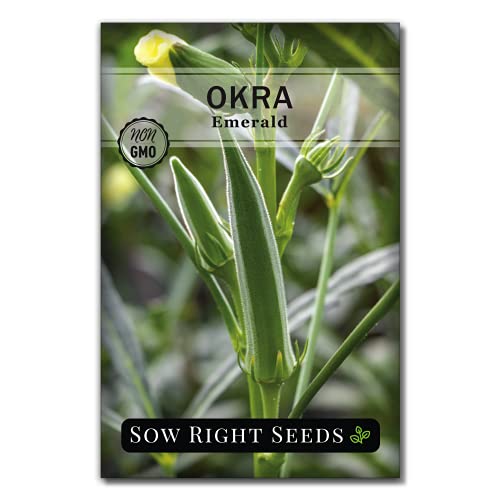
Emerald Okra is a reliable early producer with a classic green pod profile. Its compact growth and vigorous staking make it a good partner for beds where space is at a premium. The variety tends to grow to about 4 feet tall, allowing room for short-season crops and greens at the base. Emerald’s yellow flowers add a touch of brightness to the garden while pods mature in about 50–60 days under ideal heat. This makes it a versatile option for staggered planting schemes and ongoing harvests, especially in regions with long warm spells.
Spacing recommendations indicate planting pods in full sun with 12-inch separation, enabling good air circulation and reducing disease risk. For companions, consider sowing scallions or chives nearby to help deter pests and provide an easy, edible border. Emerald Okra responds well to consistent moisture and mulching, which helps stabilize soil temperatures and protect roots during peak heat. Regular harvest while pods are tender keeps the plant productive and extends the growing season into late summer.
Buying Guide: Key Purchase Considerations And Comparisons
Seed quality and variety matter for reliability and harvest timing. Look for certified organic, non-GMO, and open-pollinated labels if you plan to save seeds for future seasons. Evaluate germination rates and packet size, especially for larger plantings. Consider whether a collection offers diverse pod colors or maturities to stagger harvests and maintain garden interest.
When planning companions, balance tall okra plants with shorter herbs and greens to maximize space without shading. Favor flowering perennials and annuals that attract beneficial insects, such as dill, calendula, and fennel, to help manage pests naturally. Mulching and consistent irrigation reduce stress and encourage steady yields. If you garden in a hot climate, choose early and late varieties to extend the season, and group plants with similar water needs to simplify maintenance.
All five seed options presented provide distinct advantages: heirloom reliability, color variety, organic certification, and tall-to-dwarf growth habits. A mixed approach can yield robust harvests while supporting beneficial insects and soil health. For beginners, starting with a well-spaced bed featuring one tall okra variety and a few supportive companions can establish a productive rhythm through the heat of summer. For seasoned growers, integrating multiple varieties and staggered sowing times can maximize yields and aesthetic appeal while maintaining pest resilience.
Leave a Reply