Best Biodegradable Kitchen Trash Bags for Everyday Use
Biodegradable kitchen trash bags offer a practical way to reduce plastic waste while keeping homes clean. This guide highlights five top options from trusted brands, focusing on durability, compostability, and real-world usability. Each product includes key features to help you compare thickness, ties, and certifications. Use the buying guide below to determine which bag matches your bin size, waste type, and disposal method.
| Product | Brand | Key Feature |
|---|---|---|
| Emily’s Choice Code Q Trash Bags | Emily’s Choice | Heavy duty, 1.2 Mil / 30 Micron, fast breakdown with D2W |
| CCLINERS Tall Kitchen Bags 13 Gal | CCLINERS | 13 gallon fit, EPI degradation, star seal bottom |
| Hippo Sak Plant-Based Tall Bags | Hippo Sak | Plant-based, ergonomic handles, recyclable |
| Kompostables 13 Gal Bags | Kompostables | 100% compostable at home, 1.5 Mil thick, BPI & OK compost INDUSTRIAL |
| AYOTEE 13-15 Gal Trash Bags | AYOTEE | Plant-based PSM material, 1.18 Mil, tall kitchen fit |
Note: All options listed here are designed for kitchen waste, with a focus on biodegradable or compostable materials. Always check local composting guidelines to ensure proper disposal.
Emily’s Choice Code Q Biodegradable Trash Bags
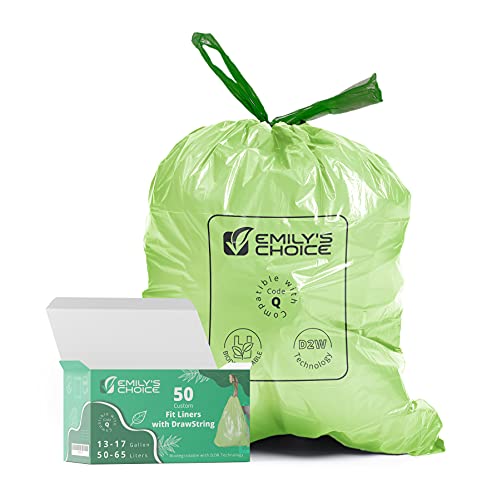
Emily’s Choice offers a heavy-duty, Code Q-compatible trash bag designed to withstand stuffed bins. The 1.2 Mil (30 micron) thickness provides puncture resistance for bones, tin, and sharp objects. Bags are designed to tie quickly and securely, reducing the chance of leaks. The D2W technology supports fast breakdown, aiming to minimize long-term plastic presence in the environment.
CCLINERS 13 Gal Tall Kitchen Biodegradable Bags

CCLINERS bags are designed to fit standard 13-gallon tall kitchen cans. They emphasize the use of epi additives to facilitate degradation under appropriate conditions. The star-seal bottom supports even weight distribution, helping to prevent leaks and make removal easier. Thickness and durability support medium-to-heavy daily kitchen waste.
Hippo Sak Plant-Based Tall Kitchen Bags

Hippo Sak emphasizes plant-based construction using renewable sugar cane materials to reduce carbon footprint. The ergonomic handles and tall, leak-resistant design cater to 13-gallon bins. This option presents a sustainable choice for households seeking a greener alternative to conventional plastics while maintaining bag strength and usability.
Kompostables 13 Gal Bio Bags With Handles

Kompostables bags are designed for home composting, certified to break down within six months in appropriate conditions. At 1.5 mil thick, they offer strong puncture resistance and reliable tie handles. They are positioned as a tough, eco-friendly option for households that generate significant kitchen waste and want a robust compostable liner.
AYOTEE 13-15 Gal Tall Kitchen Bags
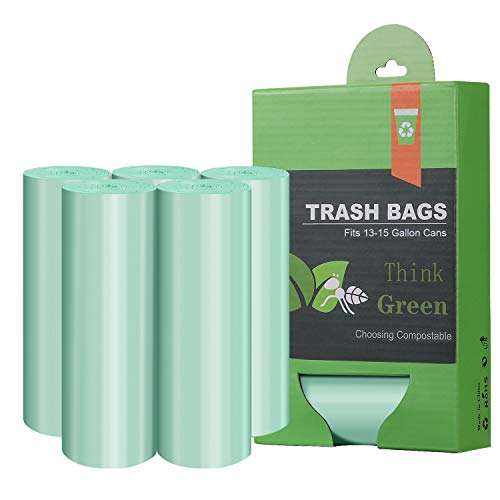
AYOTEE bags use plant-based Plastarch Material (PSM) and carry a U.S. ASTM D6866 certificate. The tall 13–15 gallon size with a 1.18 mil thickness aims to minimize bag slippage while preserving strength for heavy waste. Variants include multiple rolls for convenience in busy kitchens and offices.
Heihaily 13 Gal Biodegradable Trash Bags

Heihaily bags are designed for 13-gallon tall kitchen waste with unscented, strong, and durable properties. They emphasize odor-neutralizing features and multi-use versatility for kitchen, office, and outdoor settings. The 75-count package provides bulk value for frequent disposal needs.
Buying Guide: Key Considerations And Comparisons
When selecting biodegradable kitchen trash bags, consider the following factors to ensure you choose the right fit for your home or office.
- Material and certifications: Look for bags made from plant-based or compostable materials and check certifications like BPI, OK compost INDUSTRIAL, or ASTM standards. Certifications indicate adherence to recognized compostability or biodegradability criteria.
- Thickness and durability: Bags range from about 1.18 mil to 1.5 mil. Higher thickness improves puncture resistance and prevents leaks when disposing of wet or heavy waste, but may affect compostability speed.
- Capacity fit: Verify bin compatibility. Most 13-gallon bags fit standard tall kitchen cans, while other sizes may be needed for larger or smaller bins.
- Tie design: Easy-tie or star-seal bottoms help prevent leaks and simplify bag removal. Consider bags with reliable drawstrings or tie handles for frequent waste disposal.
- Degradation timeline: Some bags are designed for home composting, others for industrial composting. Assess whether your waste stream reaches a composting facility, or if home composting is your goal.
- Odor control and scent: Some bags include odor-neutralizing features or are unscented, which can be important in small spaces or for sensitive individuals.
- Environmental impact: Plant-based inputs shrink fossil fuel use, but also assess end-of-life disposal. Choose bags that align with your local recycling or composting programs.
- Bulk vs. convenience: Larger packs reduce replacement frequency but may take longer to expire. Consider storage space and monthly waste volume when choosing quantity.
In practice, a balanced choice often includes a sturdy, 13-gallon bag with a reliable tie, made from plant-based or compostable materials, and certified for home or industrial composting depending on your disposal method. For households that generate heavy or wet waste, higher thickness and robust seals reduce spills and odors. For those prioritizing simple green living, plant-based bags with clear compostability certifications offer a straightforward path to reducing plastic reliance.
Leave a Reply