Best Low Carb Noodles for Keto-Friendly Meals
Exploring low carb noodles can help you maintain a keto or reduced-carb lifestyle without sacrificing texture or flavor. This guide highlights five well-regarded options, spanning konjac, shirataki, and traditional pasta substitutes. Each product offers a distinct balance of protein, fiber, and net carbs, helping you tailor meals that fit your goals while delivering authentic pasta taste and al dente texture.
| Product | Brand | Key Focus |
|---|---|---|
| Pete’s Pasta Spaghetti (8 oz) – 3-Pack | Pete’s Pasta | 7g carbs, 17g protein, Italian technique |
| Care Free Kitchen 3-Pack Rotini (8 oz cada) | Care Free Kitchen | 20g protein, 2g net carbs, high fiber |
| 52USA Konjac Shirataki Noodle (6-pack) | 52USA | Low carbs, vegan, gluten free |
| AL DENTE Carba-Nada Fettuccine (10 oz) | AL DENTE | 24g net carbs, 16g protein |
| Palmini Linguine Pasta (12 oz) | Palmini | 4g carbs, heart of palm |
Pete’s Pasta Spaghetti — High Protein, Low Carb

Pete’s Pasta delivers an authentic Italian noodle experience with low carbs and high protein. The spaghetti is handcrafted from organic durum wheat semolina in Italy’s Majella mountains, slow-dried to an al dente texture. With about 7g of carbohydrates and 17g of protein per serving, it provides a satisfying, fiber-rich option that aligns with keto and low-carb plans. The product emphasizes real pasta flavor, avoiding aftertaste or grainy textures typical of some substitutes. It aims to reduce carb intake while preserving the familiar Italian pasta experience.
Care Free Kitchen Rotini Keto Pasta — 3-Pack

This Care Free Kitchen option combines convenience with macro control. Each serving provides 20g of protein and only about 2g net carbs, supported by 26g of dietary fiber per serving. The pack’s multi-serve format is designed for meal prep, helping maintain fullness and energy levels. With 40% fewer calories than traditional pasta, it offers a guilt-free way to enjoy classic shapes like rotini while supporting fitness goals and gut health through its high fiber content.
52USA Konjac Shirataki Noodle — Ready to Eat
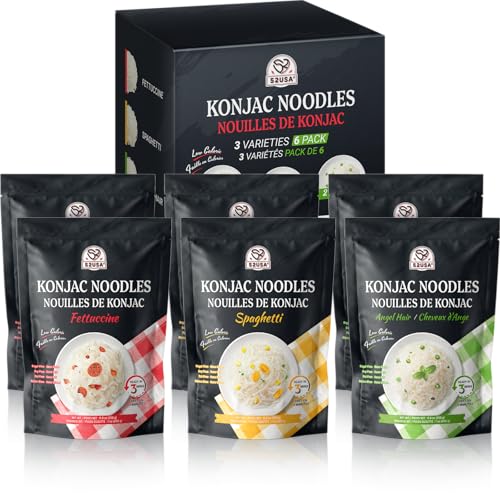
52USA Konjac Shirataki Noodles offer a minimal-carb option with a distinctive light texture. These ready-to-eat noodles are vegan, gluten-free, and keto-friendly, providing a flexible base for various sauces. The konjac component includes glucomannan fiber, which supports digestion and satiety. While they are very low in calories and net carbs, users should be mindful of portion sizes to achieve satisfying meals, as the noodles themselves have a neutral flavor that readily absorbs sauces.
AL DENTE Carba-Nada Fettuccine — Low Carb, High Protein

AL DENTE Carba-Nada Fettuccine is designed for keto and point-based diets, delivering 24g net carbs per serving and 16g protein. The pasta promises a homemade-like taste and texture, suitable for stir-fries, sauces, or comforting dishes. Quick to cook (about 4 minutes), it balances convenience with a satisfying bite, making it a versatile choice for meals that require a richer noodle with higher protein content than typical low-carb options.
Palmini Linguine Pasta — Hearts of Palm

Palmini presents pasta made from hearts of palm, delivering a unique low-carb alternative with about 4g net carbs and 20 calories per serving. It’s vegan, gluten-free, kosher, non-GMO, and widely embraced by low-carb and paleo communities. The linguine shape mirrors traditional pasta strands, offering a lighter texture that pairs well with seafood, olive oil, or light tomato sauces. It’s a convenient option for those seeking a plant-based, low-calorie noodle substitute without sacrificing form.
Buying Guide
Key purchase considerations for low-carb noodles include carbohydrate content, protein levels, fiber, calories, texture, and ingredient sourcing. Here are multiple perspectives to help you choose:
- Carb and calorie balance: If your priority is minimal net carbs, konjac and shirataki options typically offer the lightest profiles, while some pasta substitutes trade carbs for higher protein and fiber content.
- Protein density: For appetite control and satiety, options like Pete’s Pasta and Care Free Kitchen provide substantial protein per serving, supporting muscle maintenance and steady energy.
- Texture and flavor: Real-Italian-style pastas from Pete’s Pasta aim for an authentic bite with fewer compromises on flavor. Some replacements (konjac or hearts of palm) may be more neutral and absorb sauces differently; adjust sauce choice accordingly.
- Diet compatibility: Many options are vegan, gluten-free, kosher, or keto-friendly. If you follow strict dietary guidelines, verify ingredients and processing methods.
- Cooking and convenience: Ready-to-eat versions offer quick meals, while traditional or dried-style pastas may require longer prep—consider your schedule when choosing.
- Grocery availability and price: Availability varies by region and retailer; consider multi-pack options for budget and meal planning, while noting that some premium pastas emphasize flavor and texture over price.
When comparing products, think about how you plan to serve the noodles. Hearty sauces with meat and mushrooms pair well with higher-protein options, whereas lighter olive oil or lemon-butter sauces suit delicate konjac or hearts-of-palm noodles. For households with varying dietary needs, mixed packs or multiple product types can offer flexibility without sacrificing taste.
Leave a Reply