Best Soba Straight Soup Base for Quick, Flavorful Noodle Bowls
Finding the right soba straight soup base can simplify weeknight dining while delivering authentic Japanese flavors. This guide highlights five top options that are well-suited for soba, udon, and other noodle dishes. Each product section explains who it’s best for, why it’s a strong choice, and a practical caveat to consider.
Summary of selected products:
| Product | Brand | Best For | Notes |
|---|---|---|---|
| Shirakiku Soba Noodle Soup Base | Shirakiku | Home cooks seeking traditional tsuyu flavor for soba and dipping sauces | Versatile; great for tempura dipping when diluted |
| Kikkoman Japanese Noodle Soup Base (Hon Tsuyu) | Kikkoman | Classic Japanese noodle broths with bonito flavor | Established brand; balanced umami |
| Mizkan Oigatsuo Tsuyu Bonito Flavored Soup Base | Mizkan | Udon, soba, and tempura dipping; rich bonito | Good for hot or cold dishes |
| [NINBEN] Kombu Tsuyu | にんべん | Vegan or pescatarian-friendly broths with kelp and bonito alternatives | 3x concentrated; no preservatives |
| Kikkoman Kaori Shiro Dashi | Kikkoman | Light, balanced dashi for miso, ramen, and stir-fries | White dashi for subtle flavor |
Shirakiku Soba Noodle Soup Base

Best for traditional soba and dipping sauces, this tsuyu concentrate brings umami depth to dishes. The Japanese flavor profile is designed to mirror restaurant-style broth with ease of preparation. It also enhances tempura sauces, rice bowls, and stir-fries, making it a versatile pantry staple for fans of soba and udon.
Who it’s best for: home cooks who want a traditional soba or ramen base with straightforward preparation. Why selected: its traditional flavor and multi-use capability improve many Japanese-inspired meals. Caution: flavors can be strong; dilute to avoid overpowering delicate soba noodles.
Kikkoman Japanese Noodle Soup Base (Hon Tsuyu)

Best for a dependable, everyday noodle broth, this Hon Tsuyu base combines bonito flavors with a clear, balanced body. It suits miso soups, ramen broths, soba, and udon, offering versatility for mixed noodle dishes and seasonal soups.
Who it’s best for: cooks seeking a reliable, widely compatible base. Why selected: established brand with a well-rounded umami profile. Caution: may require careful dilution to maintain a lighter miso or clear broth appearance.
Mizkan Oigatsuo Tsuyu Bonito Flavored
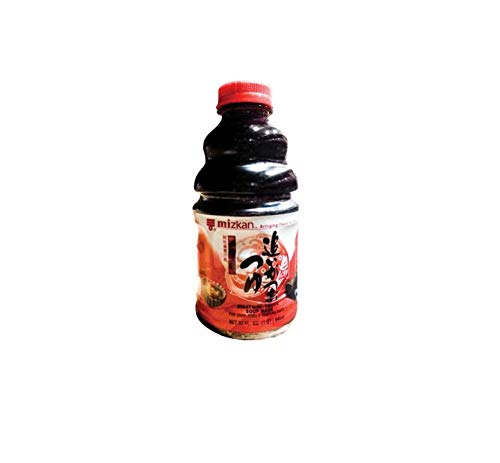
Best for hot or cold noodle dishes requiring a strong bonito aroma, this base blends bonito with soy sauces to create a satisfying umami foundation. It works well in dipping sauces for tempura and as a stock for soba and udon.
Who it’s best for: households that enjoy a pronounced bonito nose and a flexible sauce for various noodle styles. Why selected: robust flavor in a convenient bottle. Caution: the concentrated taste may require careful dilution for delicate soba noodles.
[NINBEN] Kombu Tsuyu

Best for vegan or plant-based preferences, this kombu-based tsuyu emphasizes seaweed richness with kelp. It’s a strong choice for dipping sauces, hot pots, and as a general-purpose stock for noodles. It’s noted for being dairy- and animal-product-free.
Who it’s best for: vegan or vegetarian cooks seeking a kelp-forward base. Why selected: no preservatives and a triple-concentrated formulation. Caution: absence of animal-derived flavors means it’s not a direct substitute for bonito-rich broths in some recipes.
Kikkoman Kaori Shiro Dashi

Best for light, balanced dashi, this white dashi (shiro dashi) base provides delicate umami for miso soup, ramen broth, udon, soba, hot pots, and stir-fries. It’s ideal when a clearer broth is desired without sacrificing depth of flavor.
Who it’s best for: cooks who want a subtle, bright base for multiple noodle dishes. Why selected: versatility and a lighter color than traditional brown dashi. Caution: may be too mild for those who prefer a strong, dark broth in certain applications.
Buying Guide: Key Considerations for Soba Soup Bases
- Flavor profile: Do you prefer traditional bonito and kelp notes or vegan-friendly kelp-forward flavors?
- Concentration and dilution: Concentrated bases save space but may require precise dilution to avoid overpowering delicate soba noodles.
- Versatility: Some bases are multi-use (soba, udon, dipping sauces, hot pots), while others are focused on a single dish.
- Allergen and dietary needs: Consider whether you need gluten-free, dairy-free, or vegan options.
- Ingredient transparency: Look for recognizable ingredients and natural seasonings rather than synthetic flavor enhancers.
How to Use Soba Soup Bases Effectively
- Prepare a base stock by diluting according to the package directions, then adjust salt and sweetness with soy sauce or mirin as needed.
- For dipping soba, mix the base with a touch of water and add a splash of sesame oil or citrus to brighten the flavor.
- Pair with toppings such as sliced scallions, nori, tempura, or grated ginger to enhance the overall profile.
Frequently Asked Questions
- What is soba tsuyu used for? – It is used as a dipping sauce for cold soba and as a broth base for hot soba and udon dishes.
- Is shiro dashi suitable for soba? – Yes, shiro dashi provides a lighter, balanced umami suitable for various noodle dishes.
- Can I mix bases to customize flavor? – Yes, blending bases can tailor intensity and balance to your taste.
- Are vegan tsuyu options available? – Yes, kombu-based and other vegan formulations exist that exclude fish products.
- How should I store unopened and opened bases? – Store unopened as directed on the label; refrigerate after opening and use promptly.
Leave a Reply