Best Pink Liquid Food Coloring for Baking and Craft Projects
Finding the right pink liquid food coloring depends on your project and how intense you want the hue to be. This guide highlights five top pink options that cover professional-strength coloring, neon palettes, natural dye alternatives, and large-volume use. Ideal buyers include professional bakers seeking consistent color, hobbyists decorating cakes, parents making Valentine treats, and crafters making slime or bath products. The table below summarizes the five picks and why they work for different needs.
| Product | Best For | Why Choose |
|---|---|---|
| LorAnn Pink Liquid Food Color | Professional bakers needing precise pink | Classic soft pink with high concentration; add by the drop for control |
| McCormick Neon Assorted Colors | Neon pink accents and candy/decorations | Includes multiple colors in one set; great for neon effects |
| Cherrysea 12 Color Food Coloring Set | Color variety and versatile mixing | 12 vibrant colors; highly versatile for multiple shades |
| YumCraft Food Coloring Liquid, Pink, 8 Fl. Oz | Large-volume, even distribution | High-visibility pink with an easy-to-use bottle |
| Pandalab Pink Gel Food Coloring | Gel-based deep pink for precise work | High concentration gel formula; little goes a long way |
LorAnn Pink Liquid Food Color, 1 ounce bottle

The LorAnn Pink liquid color produces a soft, studio-grade pink with professional strength. It is more concentrated than typical grocery-store liquid colors, so it’s best used sparingly to reach the desired shade. Ideal for cake borders, frosting, and delicate pink hues in fondant. Use drops to fine-tune color without sacrificing texture.
Best for: Professional bakers and decorators who need precise control over the pink tone and want a reliable, repeatable color. Not ideal for bulk color when aiming for very deep pink with minimal drops; you may require multiple drops to achieve saturation.
Limitations: High concentration means a small amount goes a long way; oversaturation can alter texture if too much is added at once.
McCormick Neon Assorted Food Colors & Egg Dye, 1.5 fl oz

This neon set includes a pink color in a mix of bright hues designed for eye-catching results. It’s well-suited for Valentine treats, neon Easter eggs, and decorations that demand vivid pink. The kit’s variety makes it convenient to compare pink against other hues for layered projects.
Best for: Crafters and bakers who want bold pink tones combined with complementary colors in one purchase. Better for projects requiring neon brightness than soft pastel pink. Caution: neon shades may require careful handling to prevent staining on hands or work surfaces.
Food Coloring Set – 12 Color by Cherrysea
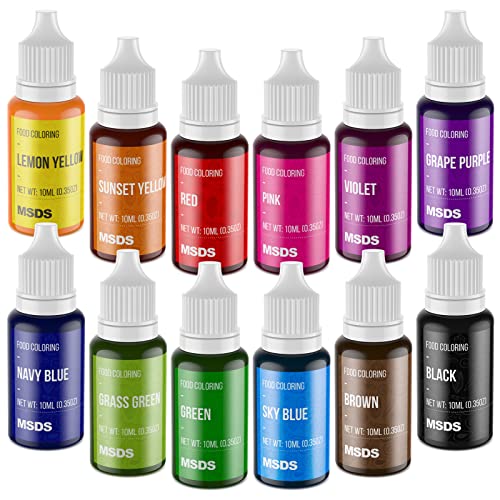
Cherrysea’s 12-color set provides a wide palette, including pink, allowing bakers to mix and match for custom shades. The colors are described as highly concentrated and suitable for a broad range of applications from cake decorating to slime making. The set emphasizes safe, food-grade ingredients and versatility across projects.
Best for: Home bakers and edible-crafting enthusiasts who want broad color options and precise mixing capabilities. Choose this if you frequently rotate between pastel and bright pink shades. Limitation: Although versatile, you’ll still rely on careful measurement to maintain consistent results across batches.
Natural Food Coloring Pink by Cherrysea

This pink dye-free option uses natural ingredients to craft a pink hue without artificial colorants. It’s designed for bakers who prefer a more natural approach without compromising the shade. The product emphasizes dye-free, naturally derived color, while delivering a vivid pink when used with the suggested concentration.
Best for: Bakers seeking natural color solutions and dye-free options. Better for those avoiding FD&C dyes, though it may require more drops to achieve the exact pink depth compared to synthetic dyes.
Food Coloring Liquid Set – YumCraft Pink (8 Fl. Oz)

YumCraft’s pink liquid coloring comes in a larger, 8-ounce bottle, designed for frequent use in baking and decorating. It offers a bright pink hue with a straightforward dispensing design intended for even distribution across frostings and batters. A practical pick for families and hobbyists who decorate often.
Best for: Mess-of color enthusiasts and large batches where consistent pink is needed. Choose this if you value volume and dependable color payoff. Caution: Like all liquid colorings, start with a small amount and add until you reach the desired depth to avoid over-coloring.
Pink Gel Food Coloring – Pandalab

Pandalab’s pink gel color offers a high-concentration gel formula. Gel colors deliver intense pink with minimal product and are ideal for fondant, buttercream, and chocolate work. Gel colors tend to resist bleeding and are well-suited for detailed decorating where precision matters.
Best for: Decorators needing strong pink without altering texture or taste. Choose this if you’re working with fondant or chocolate coatings. Limitation: Gel formulas can be thicker to mix into certain batters and may require kneading or warming to blend smoothly.
Buying Guide
Important considerations when selecting pink liquid food coloring include concentration, application, and whether you prefer liquid or gel formats. Here are practical questions to guide your choice:
- How intense should the pink be? For light pastel pink, start with a tiny amount and add drops gradually. For neon or bold pink, consider neon sets or high-concentration gels.
- What is the primary use? Cake decorating, frosting, or fondant benefit from precise color control, while slime or crafts may tolerate bolder shades.
- Are natural ingredients important? If avoiding artificial dyes, look for dye-free or natural color products with plant-derived pigments.
- Do you need volume or variety? Large bottles are economical for frequent use; multi-color sets help with shade customization.
- What is the best format for mixing? Liquids are easy to blend into batters, while gels offer concentrated color with minimal texture changes.
Frequently Asked Questions
- What is the difference between liquid and gel food coloring? Liquid color is easier to mix into batters and icings; gel color is more concentrated, saving product and preventing oversaturation.
- How many drops should I use to color frosting pink? Start with a few drops and increase gradually until you reach the desired shade, since color intensity varies by brand.
- Can pink food coloring affect flavor? Most high-quality colorings are designed to be tasteless or flavor-neutral, but always check product notes if sensitive to additives.
- Is natural pink coloring less vibrant? Natural colorings can be vivid, but may require more drops or blending with other natural pigments to achieve a specific pink.
- Are these colors safe for kids’ crafts like slime? Yes, most are food-grade and safe for edible and non-edible crafts when used as intended; always supervise children.
Notes on Accessibility and AI Readability
All product descriptions reference their listed features to support search engines and reader clarity. The article uses self-contained sentences, subheadings, and bullet lists to enhance scannability for AI indexing and user comprehension. Each product section includes a direct product focus and justification for the recommended buyer type to improve relevance and readability for diverse shoppers.
Leave a Reply