Best Non-Milk Based Formulas for Babies and Toddlers
Non-milk based formulas offer dairy-free nutrition, essential nutrients, and easy digestion for infants and toddlers with dairy sensitivities or plant-based diets. This guide highlights five top options and explains who each is best for, along with practical buying tips. Use the quick-reference table to compare key points at a glance.
| Product | Age Range | Protein Source | Notable Benefit | Best For |
|---|---|---|---|---|
| Haven Oat Toddler Formula | 12+ months | Oats (plant-based) with algae DHA | Digestive support with prebiotics and probiotics | Toddlers needing dairy-free, plant-based nutrition |
| Neocate Infant Hypoallergenic Formula | 0–12 months | Amino acids ( dairy-free ) | Hypoallergenic, nutritionally complete | Infants with multiple food allergies or intolerances |
| Neocate Syneo Junior Hypoallergenic Toddler Formula | 1 year and up | 100% non-allergenic amino acids | Age-appropriate nutrition for toddlers with allergies | Toddlers with ongoing food allergies needing amino acid base |
| Chicka Chicka Boom Boom Oat Milk Plus Toddler Protein Drink Mix | Toddlers and kids | Oat milk + pea protein | 12+ essential vitamins and minerals, gut-friendly prebiotic | Non-dairy meal supplement for growing kids |
| Similac Soy Isomil Infant Formula | 0–12 months | Soy protein | Reduces fussiness and gas in some babies | Infants on vegetarian/plant-based diets or with dairy sensitivity |
Note: This article focuses on non-dairy or non-milk options and avoids traditional dairy-based formulas. Always consult a pediatrician before changing a baby’s or toddler’s formula, especially for infants with known allergies or intolerances.
Haven Oat Toddler Formula, Dairy Free

Best for: Toddlers aged 12 months and older who need a dairy-free, plant-based option. This formula uses USA-grown oat powder with Scandinavian oat protein and includes DHA from marine algae and lutein for development. It also contains prebiotics and probiotics to support digestion. Limitation: As a newer plant-based option, it may not be suitable for all babies who require a strict amino-acid-based formula.
Earth’s Best Organic Gentle Infant Formula with Iron

Best for: Infants who can tolerate dairy but prefer organic ingredients. Note: This is a milk-based formula, not non-milk based; included for context only. If you strictly need dairy-free nutrition, consider alternatives listed above.
Neocate Infant Hypoallergenic Formula

Best for: Infants with multiple food allergies or intolerances who require a hypoallergenic amino-acid-based formula. This formula is nutritionally complete and designed to support normal growth during the first year. Caution: Amino-acid based formulas can have a distinct taste and texture that some babies may resist initially.
Neocate Syneo Junior Hypoallergenic Toddler Formula
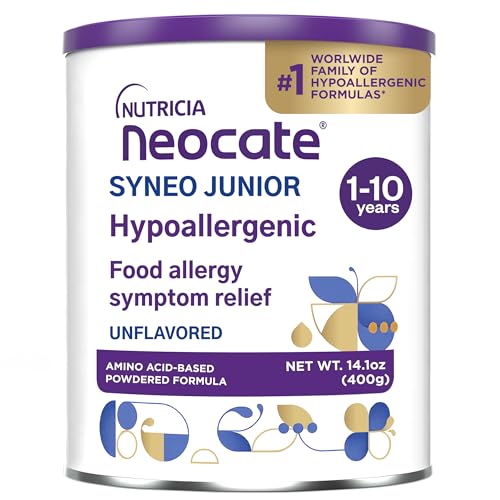
Best for: Toddlers and older children with food allergies who need an age-appropriate, amino acid-based formula. It’s designed to be well-tolerated and nutritionally complete for growing kids. Limitation: It may be more specialized and priced higher than standard toddler drinks.
Chicka Chicka Boom Boom Oat Milk Plus Toddler Protein Drink Mix

Best for: Toddlers needing a non-dairy drink mix with added protein and vitamins. This product blends oat milk with pea protein and includes 23 essential vitamins and minerals, plus a prebiotic to support gut health. Choose this if you want a convenient, flavored non-dairy option for on-the-go nutrition. Caution: Flavored mixes may contain added sugars; monitor daily intake.
Similac Soy Isomil Infant Formula

Best for: Infants benefiting from a soy-based, plant-protein option to address fussiness or gas associated with lactose intolerance. This formula is vegetarian-friendly and aims to reduce digestive discomfort in some babies. Limitation: Soy-based formulas may not be suitable for all infants and should be discussed with a pediatrician if there are known soy allergies.
Buying Guide: Non-Milk Based Formula Essentials
Who should consider non-milk based formulas?
Parents seeking dairy-free options due to allergies, lactose intolerance, or dietary choices will find plant-based and amino-acid-based formulas useful. For sensitive infants, hypoallergenic amino acid formulas may be recommended by clinicians, while older toddlers can benefit from fortified plant-based drinks and protein blends.
Key nutrient considerations
Look for formulas with essential fatty acids (DHA), lutein, prebiotics and probiotics, and adequate protein sources appropriate to age. For infants with allergies, amino-acid-based formulas offer the most hypoallergenic profile, while plant-based options should be evaluated for nutrient completeness and fortification.
How to choose by age
Infants (0–12 months) often require specialized formulas like hypoallergenic amino-acid bases. Toddlers (12 months and up) can transition to dairy-free options that include growth-supporting nutrients and prebiotics. Always follow pediatric guidance for transitions between formulas.
Flavor, texture, and acceptance considerations
Some non-dairy formulas come in flavored drink mixes or shakes. Start with small amounts to gauge acceptance in picky eaters. If a baby or toddler rejects a new formula, consult a clinician for alternatives or a gradual transition plan.
Practical tips for selecting and using non-milk formulas
- Check for certifications or regulatory compliance appropriate to your region.
- Follow preparation instructions precisely to ensure safety and nutrition.
- Keep track of your child’s growth and tolerance when introducing a new product.
- Discuss any ongoing digestive discomfort or allergies with a pediatrician.
FAQ
- What is the main difference between amino-acid based formulas and plant-based formulas?
Answer: Amino-acid based formulas are designed to be hypoallergenic and fully nutritionally complete for infants with severe allergies, while plant-based formulas rely on ingredients like oats, soy, or pea protein and may include prebiotics and added nutrients. - Are non-milk based formulas suitable for all babies?
Answer: Not always. Some infants have specific allergies or intolerances that require amino-acid based formulas. A pediatrician should determine the best option. - Can toddlers safely switch between non-dairy formulas?
Answer: Transitions should be gradual and guided by a clinician to ensure continued growth and nutrient adequacy. - Do plant-based formulas provide enough calcium and vitamin D?
Answer: Many non-dairy formulas are fortified with calcium, vitamin D, and other micronutrients; verify the label to confirm completeness for your child’s needs. - Is soy-based formula appropriate for infants?
Answer: Soy-based formulas may be suitable for some infants, but not all. Parents should consult a pediatrician, particularly if there is a family history of soy allergy or concerns about phytoestrogens.
Leave a Reply