Best Non-Alcoholic Red Wines: A Clear Guide for Sulphite-Sensitive Buyers
Looking for red wine with no sulphites? This guide highlights top non-alcoholic red wines crafted without added sulfites or with reduced sulfites, helping you enjoy rich flavors without the headaches. The picks below target different tastes and budgets, from classic French blends to bold New World styles. Each option is suitable for sulphite-sensitive consumers who still want a genuine wine experience. The buyer profiles cover casual sippers, mindful dieters, and those seeking vegan or gluten-free choices.
Summary table of selected products:
| Product | Brand | Key Benefit | Best For |
|---|---|---|---|
| Oddbird GSM Non Alcoholic Red | Oddbird | Grape-forward blend from Saint-Chinian with de-alcoholized process | Mindful drinkers who want real grape flavors |
| Lussory Premium Tempranillo 0.0% | Lussory | Spanish Tempranillo, 0.0% ABV, rich finish | Those seeking authentic Spanish profile |
| JØYUS Non-Alcoholic Red Wine | JØYUS | Cabernet Sauvignon with oak-aging notes | Wine lovers who want depth and fruit-forward notes |
| H2o Pinot Noir 0.0% | H2♡ | California-inspired 0.0% red with 30 calories per can | Portion-controlled, low-calorie option |
| Giesen Non-Alcoholic Premium Red | Giesen | New Zealand style red with delicate tannins | NV wine enthusiasts seeking refined structure |
Oddbird GSM Non Alcoholic Red Wine

Best for: Mindful drinkers who want a real wine experience without alcohol. Why chosen: It uses a de-alcoholization process at low temperatures to keep grape properties intact, delivering authentic flavors. The blend—Grenache, Syrah, Mourvèdre & Carignan—adds complexity while remaining alcohol-free. Caution: The product is non-alcoholic by design; expect a wine-like profile rather than a fortified finish.
Lussory Premium Tempranillo 0.0% Red

Best for: Fans of Spanish red wine seeking a zero-alcohol option with a traditional profile. Why chosen: Tempranillo grapes from La Mancha deliver red and dark fruit flavors with a smooth finish. The wine undergoes extended maturation before dealcoholization to 0.0% ABV, preserving depth. Caution: Some note the finish is gentler than full-strength Tempranillo, so expectations should reflect the alcohol-free nature.
JØYUS Non-Alcoholic Red Wine

Best for: Red wine lovers who want a complex, oak-inclusive profile without alcohol. Why chosen: A Cabernet Sauvignon base with layered blackberry, plum, and dark cherry notes, plus touches of aged oak and vanilla for a smooth finish. Caution: Low-calorie claim makes it appealing, but flavor intensity aligns with NA wine expectations rather than traditional full-bodied Cabernets.
H2o Pinot Noir – 0.0%

Best for: Daily wine substitute with a clean-label promise. Why chosen: California-inspired Pinot Noir, 0.0% alcohol, 30 calories per can, and no added sugar. The clean-label approach—vegan, gluten-free, non-GMO—appeals to health-minded shoppers. Caution: Carbonated format may influence mouthfeel for traditional wine drinkers seeking a still red.
Giesen Non-Alcoholic Premium Red
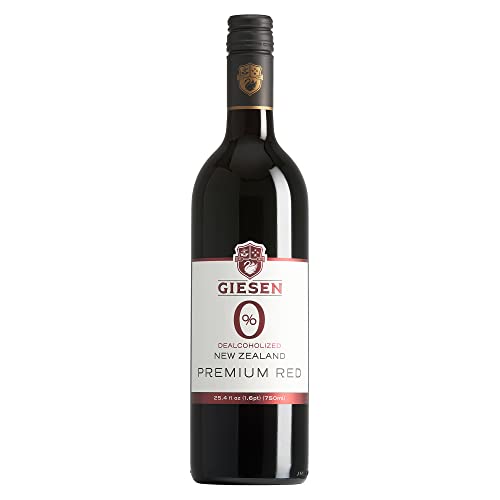
Best for: NA wine enthusiasts seeking a refined tasting experience with mineral notes. Why chosen: New Zealand origin offers a delicate nose of crushed blackberry and wild herbs, with a palate of red berries, plum, and toasted oak. The finish features fine, powdery tannins. Caution: Being NA, it may carry lighter structure compared to full-strength red wines.
Buying Guide: Key Considerations For Choosing Red Wines Without Sulphites
- What level of alcohol removal matters to you? Some wines are fully de-alcoholized; others emphasize minimal sulfite presence but keep some natural sulfur compounds in trace amounts.
- Flavor profile you prefer: fruit-forward (blackberry, cherry), earthy and oaky, or crisp and lighter red styles. Choose a bottle that mirrors your favorite traditional red.
- Calorie and sugar goals: many NA wines advertise lower calories or no added sugar, but check nutrition on each product page.
- Dietary compatibility: vegan, gluten-free, and non-GMO claims vary; verify if required for your needs.
- Serving suggestions: some NA wines are still, some are slightly sparkling. Consider whether you want a still red substitute or a lighter, carbonated option.
Use a side-by-side approach when choosing. For example, if you prefer a Spanish influence with a rich finish, consider Lussory Tempranillo. If you want a true wine-like complexity with oak aging, JØYUS or Giesen offer deeper profiles. For calorie-conscious choices, H2o provides a 0.0% alcohol option with low calories. Oddbird emphasizes a low-temperature de-alcoholization to preserve grape character for a mindful consumer.
Frequently Asked Questions
- What does “0.0% ABV” mean on these products?
It means the wine is produced without detectable alcohol content after processing, suitable for those avoiding alcohol entirely. - Are these wines vegan-friendly?
Many are marketed as vegan, but check each product’s ingredients and label claims for confirmation. - Will de-alcoholized wine taste the same as regular red wine?
Flavor and aroma can differ; the goal is to preserve grape-derived notes, not replicate every nuance of alcoholic wine. - Can these wines be used in cooking?
Yes, many can be used in recipes calling for red wine, though alcohol-free results may alter flavor intensity. - Which option is best for pairing with meals?
Lighter NA wines pair well with poultry and fish, while more robust NA reds with oak influence suit earthy dishes and pasta with tomato sauces. - Are there any downsides to NA wines with no sulfites?
Some products may have subtle flavor differences and a lighter body compared to traditional red wines.
Leave a Reply