Best Whole 30 Approved Deli Meat Options for Clean Lunches
People following Whole 30 want deli meats that are free from added sugars, artificial preservatives, and questionable nitrates. This guide highlights five top deli meats that align with Whole 30 principles as closely as possible based on available product data. Each option is best for different needs—whether you want minimally processed chicken, turkey, or beef—with clear reasons to choose one over another. A quick buyer’s table is provided to compare core details at a glance.
Product Quick Reference
| Product | Brand | Best For | Key Benefit |
|---|---|---|---|
| Rotisserie Seasoned Chicken Breast, 9 Oz | Amazon Grocery | Favoring chicken lovers seeking no nitrates | No artificial preservatives; no nitrates added |
| Natural Oven Roasted Turkey Breast | Applegate | Turkey lovers who want hormone/nitrate controls | No antibiotics or added hormones; no chemical nitrites or nitrates |
| Oven-Roasted Turkey Breast Ultra-Thin Slices, 6 oz | 365 by Whole Foods Market | Quality, organic-style turkey option | Raised without hormones or antibiotics; animal welfare certification |
| Deli-Sliced London Broil Roast Beef, 8 oz | Dietz & Watson | Beef option for variety | Gluten-free certified; no added MSG |
| Sliced Oven Roasted Turkey Breast, 9 Oz | Amazon Grocery | Simple turkey option with minimal additives | No artificial preservatives; no added hormones |
Applegate Natural Oven Roasted Turkey Breast

Best for: Those who want a turkey option with strict controls on additives. Applegate emphasizes no antibiotics or added hormones and avoids chemical nitrites or nitrates. This makes it a strong choice for Whole 30-friendly lunch prep and pantry rotation.
Why selected: The product data highlights clean sourcing practices and minimized additives, aligning with Whole 30 goals for natural meats. It’s suitable for sandwiches or rolled-meat snacks that require simple ingredients.
Caution: Ingredient transparency is essential; verify ingredient lists for any additional flavorings or blends not shown in the brief features before relying on it for strict Whole 30 compliance.
365 by Whole Foods Market Oven-Roasted Turkey Breast Ultra-Thin Slices

Best for: Shoppers seeking a pantry staple that resembles natural, less-processed deli meat with a Whole Foods-brand backing. The Ultra-Thin slices offer convenient portioning for quick meals.
Why selected: The product emphasizes Raised with Vegetarian Feed, no added hormones or antibiotics, and a standard of animal welfare certification, which can reassure buyers looking for cleaner turkey options.
Caution: While labeled as natural and organic-leaning, confirm that all ingredients meet your Whole 30 constraints, as some packaging may include small amounts of processing aids not listed in short feature summaries.
Dietz & Watson Deli-Sliced London Broil Roast Beef
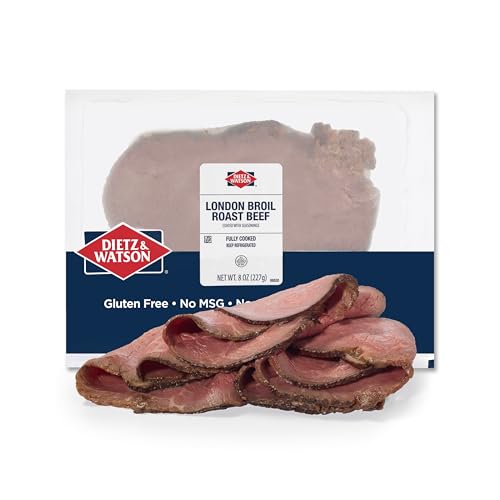
Best for: Beef lovers looking for a deli option with traditional roast beef flavor. This product provides a beef choice among deli selections.
Why selected: It notes a gluten-free certification and no added MSG, which improves suitability for those avoiding certain additives. The pre-sliced format supports quick meal assembly.
Caution: The data does not specify nitrates or preservatives; if avoiding these elements is critical, verify the full ingredient list before purchase.
Amazon Grocery Sliced Rotisserie Seasoned Chicken Breast

Best for: Quick, high-protein chicken option with minimal processing. It’s a versatile deli meat that pairs well with salads, wraps, or simple sandwiches.
Why selected: The product is advertised as free from artificial preservatives and nitrates added, aligning with clean-label expectations.
Caution: Seasoned chicken can include flavor enhancers; if strict Whole 30 constraints are necessary, review the full ingredient list for any non-compliant additives beyond the provided features.
Amazon Grocery Sliced Oven Roasted Turkey Breast

Best for: A straightforward turkey option with fewer additives. This is suitable for busy days when you want simple protein on hand.
Why selected: The description notes no artificial preservatives and no added hormones, which benefits those aiming for cleaner meat choices in a Whole 30 context.
Caution: Ingredient scrutiny is advised to ensure no hidden non-compliant components exist beyond the features listed.
Buying Guide: How to Choose Whole 30 Friendly Deli Meats
What should you look for in deli meats for Whole 30 compliance?
- Minimal ingredients: Favor products with simple ingredient lists and no added sugars, nitrates, or artificial preservatives.
- Nitrates and nitrites: Some brands claim “no nitrates” or “no added nitrates.” Verify whether nitrates are naturally occurring or fully excluded in the product line.
- Hormones and antibiotics: Seek options that state no added hormones and no antibiotics when possible.
- Processing aids: Check for MSG or other flavor enhancers that may conflict with Whole 30 rules.
- Certifications: Look for gluten-free labels, animal welfare assurances, and clean-label pledges if relevant to your diet.
How to Use These Deli Meats
- Sandwiches: Layer slices with Whole 30–compliant condiments and greens for quick lunches.
- Salad toppers: Slice meat thin and toss onto salads for protein-rich meals.
- Roll-ups: Use large lettuce leaves to roll deli slices into protein-forward bites.
Storage and Freshness Tips
- Refrigerate promptly after opening and use within 3–5 days for best quality.
- Freeze portions you won’t use within a few days to extend shelf life; thaw safely in the fridge before use.
FAQ
- Are all deli meats Whole 30 approved? Some are closer than others. Always read the full ingredient list beyond the short feature notes.
- What makes a deli meat more Whole 30 friendly? Cleaner labels with no added sugars, nitrates, nitrites, or artificial preservatives.
- Can I rely on “no nitrates added” claims? Yes, but confirm whether nitrates are naturally occurring in curing agents or ingredients, which may still be present.
- Is turkey a safer option than beef for Whole 30 lunches? It depends on the brand; turkey often has fewer processing additives, but each product should be evaluated on its own ingredients.
- Should I choose organic or welfare-certified options? If available, these can align better with broader dietary preferences and sustainability goals.
- How should I store deli meats to maximize freshness? Refrigerate promptly, keep in original packaging if unopened, and repackage after opening to minimize exposure.
Leave a Reply