Best Vegan Cheese High Protein Picks for Protein-Packed Comfort
Looking for vegan cheese options that boost protein without sacrificing flavor? This guide highlights five high-protein, dairy-free mac and cheese products and snacks. Ideal for vegans, plant-based eaters needing more protein, and anyone seeking dairy-free comfort food that still bites back with nutrition. We compare protein levels, flavor profiles, and practicality to help you choose.
Summary table of selected products:
| Product | Key Protein | Best For | Notes |
|---|---|---|---|
| Daiya Deluxe Protein Mac and Cheese, Dairy Free Cheddar | 10 g per serving | Comfort-food lovers seeking dairy-free cheddar flavor | Ready-to-squeeze sauce; no powder packets |
| Bragg Nutritional Yeast Seasoning 12 oz | 5 g per serving | Cheesy flavor boost for meals, parmesan substitute | Rich in B vitamins; dairy-free |
| Banza Shells & White Cheddar Mac and Cheese | 15 g per serving | High-protein, lower-carb pasta option | Chickpea-based pasta, gluten-free |
| Daiya Deluxe Protein Mac and Cheese, Herb & Garlic | 10 g per serving | Herb-and-garlic dairy-free variety | Ready-to-squeeze sauce; dairy-free |
| GrownAs Vegan Mac & Cheese | 25 g per pack | High-protein, all-plant option | Plant-based, easy to prepare |
The following sections dive into each product, with practical insights on who should buy and why, plus a brief caution where relevant. Each entry uses clear, comparison-friendly wording to help you decide quickly.
Daiya Deluxe Protein Mac and Cheese, Dairy Free Cheddar

This product provides 10 g of protein per serving, making it a solid choice for protein-conscious diners who still want classic mac and cheese flavor. Best for comfort-food fans who need dairy-free cheddar creaminess without powder sauces. The ready-to-squeeze liquid cheese sauce coats noodles evenly, delivering a smooth texture in every bite. A potential limitation is the dairy-free base, which may differ from traditional dairy cheese for some palates.
Bragg Nutritional Yeast Seasoning

Bragg’s nutritional yeast adds a cheesy, parmesan-like flavor without dairy. It’s best for topping or seasoning meals to boost flavor and protein profile; each serving provides 5 g of plant-based protein and several B vitamins. It’s especially suitable for households seeking a pantry staple that doubles as a dairy-free flavor enhancer. Caution: it’s a seasoning, not a ready-made sauce, so you’ll need a base liquid or dairy-free butter for mac and cheese texture.
Banza Shells & White Cheddar Mac and Cheese

Made with chickpea-based pasta, this option delivers 15 g of protein per serving and 30% fewer carbs than wheat pasta. It’s gluten-free and vegan, appealing to families prioritizing protein, a lower-carb profile, and dairy-free flavor. The texture is similar to traditional macaroni, and the chickpea pasta adds a hearty bite. Limitations may include a stronger chickpea taste for some, depending on personal preference.
Daiya Deluxe Protein Mac and Cheese, Herb & Garlic

This variant mirrors the 10 g protein per serving profile, with a savory herb and garlic flavor to diversify taste options beyond cheddar. It’s ideal for those who want a comforting dairy-free bowl with more seasoning. The ready sauce remains convenient, but as with any dairy-free option, the mouthfeel can differ from conventional cheese sauces.
GrownAs Vegan Mac & Cheese

GrownAs offers a high-protein option with 25 g per pack, focusing on a plant-based profile. It’s well-suited for active individuals or those seeking a quick, protein-dense meal without dairy. The product emphasizes whole-plant ingredients and easy preparation. Caution: as a branded ready-to-eat pack, portion sizes may vary if you’re tracking exact protein intake across meals.
Banza Deluxe Elbows Mac and Cheese with Creamy Cheddar
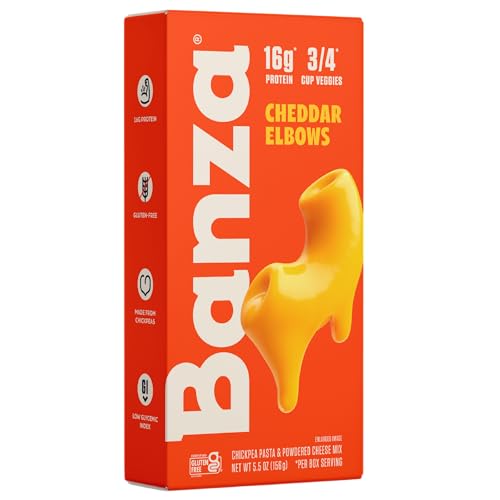
This Banza variant highlights 18 g of protein per serving with a deluxe cheddar flavor. It uses chickpea pasta to deliver a higher-protein, lower-carb option that remains vegan and gluten-free. It’s best for families seeking a robust protein punch without sacrificing familiar mac and cheese taste. Limitation: Cheese flavor comes from plant-based sources, which may differ from dairy for picky eaters.
Buying Guide
Key considerations when choosing high-protein vegan cheese products:
- Protein per serving: Look for products that align with your daily targets. Plant-based proteins vary (10 g vs 25 g per serving), affecting meal planning.
- Texture and sauce format: Ready-to-squeeze sauces offer convenience; cheeses in pasta shape rely on the sauce’s dairy-free base for creaminess.
- Pasta type: Chickpea-based pastas add protein and fiber but may change flavor or texture; consider gluten-free needs and taste preferences.
- Flavor variety: Cheddar, herb & garlic, and parmesan-style seasonings expand meal options without dairy.
- Ingredient quality: Non-GMO ingredients and minimal artificial flavors appeal to consumers prioritizing cleaner labels.
- Preparation time: Quick meals suit busy lifestyles; some options require only boiling pasta plus sauce.
- Allergen considerations: Ensure products fit any soy, nut, or gluten sensitivities within the family.
Frequently Asked Questions
- What is the protein range I should expect from vegan mac and cheese?
– Most proteins range from about 10 g to 25 g per serving, depending on the product and pasta type. - Are chickpea pastas vegan and gluten-free?
– Many options are vegan and gluten-free, but always check labels for any cross-contamination or added ingredients. - Do dairy-free cheese sauces taste like real cheese?
– The texture and flavor vary; some use cultured bases or coconut oil blends to mimic dairy, while others emphasize herbs and seasonings to boost savoriness. - Which product is best for kids?
– Look for milder cheddar flavors and familiar textures; some households prefer kid-friendly mac and cheese varieties with simple ingredients. - Can these products replace dairy protein in a diet?
– They can contribute significantly, but it’s wise to balance with other protein sources across meals for complete amino acid profiles. - Are these products good for keto or low-carb diets?
– Some high-protein options use lower-carb pasta like chickpea varieties, which can fit low-carb plans when portioned carefully.
Leave a Reply