Best Shakes for Kids: Nutritious Picks for Growing Bodies
When choosing shakes for kids, look for balanced nutrition, kid-friendly flavors, and ingredients you can trust. This guide highlights five kid-focused shakes ideal for daily nutrition, snacks, or meal supplementation. Best for busy families, picky eaters, and kids who need extra protein or vitamins to support growth and immunity. The table below compares key ideas at a glance.
| Product | Protein | Key Benefit | Best For |
|---|---|---|---|
| PediaSure Grow & Gain, Chocolate | 7g | Balanced nutrition with immune support | Young kids ages 2-7 needing more protein |
| Orgain Organic Kids Protein, Chocolate | 8g | Organic ingredients, vitamins & minerals | Picky eaters seeking organic option |
| PediaSure SideKicks, Vanilla | 10g | Top four gaps: vitamin D, calcium, fiber, potassium | Children needing higher protein |
| Orgain Organic Kids Dairy, Vanilla | 8g | Organic, no soy, fiber & minerals | Allergy-conscious families |
| Orgain Organic Kids Dairy, Fruity Cereal | 8g | Fun flavor with cereal-inspired profile | Picky eaters who want variety |
PediaSure Grow & Gain Kids Nutrition Shake, Chocolate
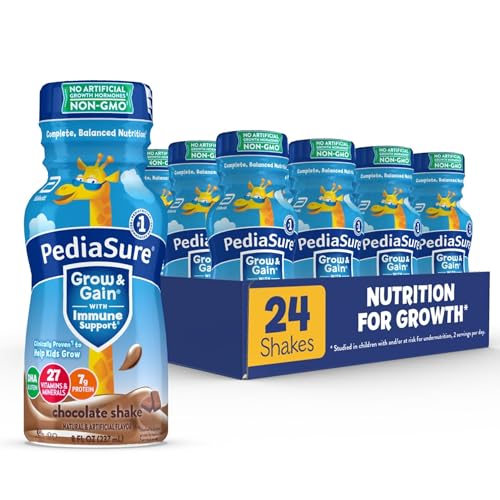
Brand: PediaSure. Features emphasize #1 pediatrician-recommended status with 7g protein per serving and vitamins A, D, C, E, zinc, and antioxidants. It is designed for kids ages 2-13 and promotes growth and immune support. Use this shake as a daily protein source to help meet growth needs and supplement meals. Best for families seeking a proven pediatric nutrition option with a focus on immune support. A potential limitation is that some flavors contain added sugars; monitor total daily sugar intake.
Orgain Organic Kids Protein, Chocolate

Brand: Orgain. This organic dairy protein shake offers 8g of protein, 180 calories, and 22 vitamins & minerals with immune-supporting nutrients. It emphasizes 25% less sugar than leading kids’ shakes and includes a mix of fruits and vegetables. Best for parents seeking an organic option that fits picky eaters and supports daily vitamin intake. Better for sugar-conscious households; note packaging varies and chalkiness can occur for some taste buds.
PediaSure SideKicks Kids Protein Shakes, Vanilla

Brand: PediaSure. This shake delivers 10g of protein per serving and focuses on filling top gaps like vitamin D, calcium, fiber, and potassium. Designed for kids who need higher protein and nutrient density, it’s a solid pick for active children or those with appetite variability. Consider this if you want more protein per serving, but be mindful of overall sugar intake across the day.
Orgain Organic Kids Dairy Vanilla

Brand: Orgain. This vanilla-flavored shake boasts 8g of protein, 3g of fiber, and 22 vitamins and minerals. It uses grass-fed milk protein and a fruit-vegetable blend, with cleaner ingredients and no soy. Best for families prioritizing dairy-based protein with organic ingredients. Limitation to watch: some children may prefer stronger flavors or textures; monitor acceptance during taste tests.
Orgain Organic Kids Dairy Fruity Cereal

Brand: Orgain. This fruity cereal-flavored shake provides 8g of protein, 180 calories, and 22 vitamins and minerals. It imitates a cereal-inspired flavor profile to appeal to kids, while offering plant-based ingredients and no soy. Best for variegated palates or as a snack option, but some parents may prefer more fiber or different sugar sources depending on the child’s needs.
Buying Guide
What should you look for in a kids’ nutrition shake?
Prioritize protein per serving, a reasonable calorie count, essential vitamins and minerals, and minimal artificial ingredients. Look for shakes that support growth (calcium, vitamin D, zinc) and immune health (vitamins C and E, selenium). Organic options may be preferred for families avoiding added pesticides or synthetic additives.
How to match shakes to different ages
For ages 2-5, choose shakes with moderate protein (5-8g) and additional calories to supplement meals. For ages 6-12, consider higher protein options (8-10g) that still offer essential micronutrients. Always consult a pediatrician if there are growth concerns or dietary restrictions.
Flavor, texture, and kid acceptance
Flavor variety helps maintain interest; chocolate and vanilla are commonly well-liked. Textures can vary between dairy-based and plant-based options. If a child dislikes a texture, rotate flavors or try half servings mixed with milks or water to gradually adjust taste.
Dietary considerations
Check for potential allergens (dairy, soy, gluten) and choose products labeled organic or all-natural when desired. For kids with special dietary needs, verify that the shake provides a complete protein profile and aligns with daily nutrient goals.
How to integrate shakes into daily routines
Use shakes as a breakfast supplement, a post-school snack, or a meal topper (mixed with fruit or oats). Keep portions aligned with total daily calories and protein targets to avoid over-supplementing nutrition.
Safety and storage tips
Store shakes per packaging directions, typically in a cool, dry place. Once opened, refrigerate and use within a stated timeframe. Always keep prepared shakes out of direct sunlight and discard if flavor or texture changes unexpectedly.
FAQ
- Are these shakes appropriate for toddlers? Some are labeled for ages 2-13; always check the product label and consult a pediatrician for toddlers with unique nutrition needs.
- Do these shakes replace meals? They should supplement meals, not replace balanced meals regularly unless advised by a clinician.
- Which is best for picky eaters? Flavors with familiar profiles (vanilla, chocolate) and organic options may improve acceptance.
- Is organic always better? Organic options reduce exposure to certain pesticides and synthetic inputs, but overall nutrition should guide choice.
- How much protein is ideal for my child? Protein needs vary by age, weight, and activity. Use product protein per serving as a guide and align with pediatric dietary guidelines.
Leave a Reply