Best Yeast for Homemade Wine: Top Picks for Every Winemaker
Answering the question, these yeasts are designed to reliably convert sugars into alcohol, with flavors and fermentation profiles suited for different wine styles. This guide highlights five strong choices for American home wine makers, ranging from versatile champagne and all-purpose yeasts to specialty strains for red, white, late harvest, or sparkling wines. Ideal buyers include hobbyists building small batches, cidermakers trying wine-like ferments, and beginners seeking predictable results. Below, compare each option and see which best fits your wine goals.
| Product | Brand | Best For | Notes |
|---|---|---|---|
| Lalvin EC-1118 Wine Yeast (10 Pack) | Lalvin | All-purpose wine, sparkling and mead | 10 packs; 5 g sachets; makes 4.5L-23L |
| Red Star Sampler Wine Yeast (10PK) | CAPYBARA Distributors Inc. | Variety pack for trial blends | 10 packs; 5 g sachets; from Fermentis |
| Lalvin K1-V1116 Wine Yeast (10 Pack) | CAPYBARA Distributors Inc. | Aromatic red and white styles | 10 packs; 5 g sachets; makes 4.5L-23L |
| Red Star Premier Blanc Wine Yeast (10PK) | CAPYBARA Distributors Inc. | Low nutrient needs; cold tolerance | 10 packs; 5 g sachets; high alcohol tolerance |
| 2x Lalvin EC-1118 Champagne Yeast 5g Sachet | Lalvin | Sparkling wines and carbonation-friendly ferments | 2 sachets; 5 g each; versatile for sparkling wine |
Lalvin EC-1118 Wine Yeast (10 Pack) – CAPYBARA

Includes: 10 packs (5 g sachets). Manufactured by Lallemand Inc., repackaged in Canada by CAPYBARA Distributors Inc. Inoculation rate: 5 g sachet makes 4.5L-23L. Best for: adaptable to many wine styles including sparkling. Caution: may require precise nutrient management in low-nutrient musts.
Red Star Sampler Wine Yeast (10PK) – CAPYBARA

Includes: 10 packs (5 g sachets) of Red Star wine yeast, manufactured by Fermentis (Lesaffre) and distributed by CAPYBARA Distributors Inc. Best for: trying multiple strains to compare aroma and fermentation behavior. Caution: sampler variety may introduce different flavor notes across batches.
Lalvin K1-V1116 Wine Yeast (10 Pack) – CAPYBARA
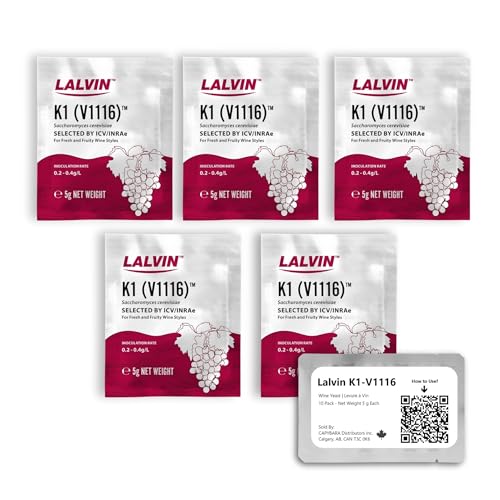
Includes: 10 packs (5 g sachets) of Lalvin K1-V1116 wine yeast. Inoculation rate: 5 g Sachet makes 4.5L-23L. Best for: aromatic red or white styles; a good option when seeking nuanced fruit-forward character. Caution: may require careful handling to maximize aromatic potential in cooler ferments.
Red Star Premier Blanc Wine Yeast (10PK) – CAPYBARA

Includes: 10 packs (5 g sachets) of Red Star Premier Blanc wine yeast. Features: high alcohol tolerance (18%), low volatile acidity, good low-temperature resistance (10-30°C). Best for: white wines and blends that benefit from clean fermentation. Caution: lower nutrient requirements mean nutrient planning is important for nutrient-poor musts.
2x Lalvin EC-1118 Champagne Yeast 5g Sachet – CAPYBARA
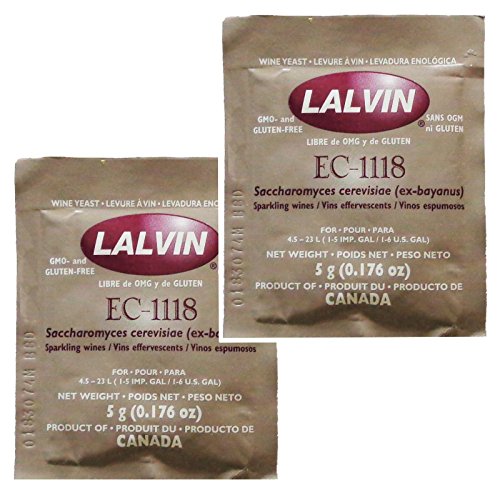
Includes: 2 packs (5 g sachets each). EC-1118 is a versatile yeast suitable for all wines, including sparkling and mead. Best for: sparkling wines or meads where consistent fermentation is needed without dependence on grape nutrients. Caution: not ideal for musts requiring higher nutrient profiles for complex red wines.
Buying Guide
Which yeast should I choose for my wine style?
Use EC-1118 when you want a robust, adaptable yeast suitable for sparkling wines or dry table wines. If you aim for aromatic character, K1-V1116 is a strong option for red and white styles. For trialing different flavors, a sampler like Red Star Sampler helps compare strains before committing to a single choice.
What should I consider about nutrients and fermentation conditions?
Most wines perform best with balanced nutrients. Some yeasts tolerate low-nutrient musts (Premier Blanc), while others may demand more careful nutrient management. Check inoculation rates (5 g sachets commonly yield 4.5L-23L) to plan batch size and aeration accordingly. Temperature tolerance also influences aroma and fermentation speed; cooler ferments can favor certain aromatic profiles.
Which product is best for beginners?
Beginner winemakers often start with EC-1118 due to its reliability across sparkling and still wines. A two-pack Champagne yeast option provides flexibility for smaller sparkling projects without needing multiple shipments.
How should I store and prepare the yeast?
Follow package directions: typically keep unopened sachets in a cool, dry place. Rehydration and careful pitching into well-prepared must can help ensure steady fermentation. Avoid exposing sachets to moisture or heat before use.
How to plan a small test batch?
Choose one or two yeasts with clear differences (aromatic vs. neutral). Prepare similar musts, monitor density changes, and compare aroma, mouthfeel, and finish after fermentation. This helps select the best strain for your staple batch.
Notes for buyers
All products listed are presented with their stated inoculation rates and compatibility notes. Choose yeasts based on the wine style you intend to craft, your fermentation temperature range, and nutrient planning needs. If you expect long aging, a yeast with clean fermentation and low volatile acidity is advantageous.
FAQ
- What yeast is best for sparkling wine? EC-1118 is a common choice for sparkling wines due to its high alcohol tolerance and reliable fermentation.
- Can I mix different yeasts in one batch? Mixing is generally not recommended for a single fermentation, as it can lead to unpredictable results; use a single strain per batch.
- How many liters can a 5 g sachet ferment? Typically about 4.5L to 23L, depending on the sugar content and desired alcohol level.
- Do I need special nutrients for these yeasts? Some strains tolerate lower nutrient levels; others benefit from a yeast nutrient addition, especially with fruit musts.
- Is sampler yeast better for beginners? Yes, a sampler helps compare strains before committing to one for a full batch.
- Can I use champagne yeast in red wines? It can work, but champagne yeast may impart a lighter body; consider traditional wine yeasts for red styles.
Leave a Reply