Best High Protein Bars for Weight Gain to Fuel Muscles
Looking for high-protein bars to support weight gain goals? These options emphasize solid protein per bar, controlled sugar, and energy to power workouts and recovery. Best for athletes, bodybuilders, or anyone seeking convenient, protein-forward snacks that help build mass while keeping cravings in check. Below are five practical picks with clear reasons to choose each one and some smart caveats to consider.
Summary table of chosen products:
| Product | Protein (approx.) | Best for | Notes |
|---|---|---|---|
| Pure Protein Chocolate Peanut Butter Bar | 20 g | On-the-go weight gain support | Low sugar, satisfying texture |
| Pure Protein Chocolate Deluxe Bar | 21 g | Indulgent flavor without derail | Gluten-free option |
| Quest Nutrition Ultimate Variety Pack | 20–21 g | Flavor variety, bulk snacking | Low net carbs |
| Pure Protein Lemon Cake Bar | 20 g | Clean, dessert-inspired option | Fresh citrus note |
| CLIF BUILDERS Chocolatey Peanut Butter | 20 g | Plant-based recovery fuel | Carbohydrate support |
Pure Protein Chocolate Peanut Butter Protein Bars

This bar delivers about 20 g of protein with only around 3 g of sugar, making it a solid choice for weight gain where lean macros matter. It is a practical pantry staple for office snacks or post-workout recovery. The Chocolate Peanut Butter flavor pairs creamy nut butter with dark cocoa for a familiar, satisfying bite.
Who it’s best for: athletes and lifters needing a reliable protein hit without excessive sugar. Why selected: consistent protein content and accessible macros support muscle-building goals. Caution: check labeling for any dietary restrictions beyond gluten-free status noted for similar products, as formulation variations can occur.
Pure Protein Chocolate Deluxe Protein Bars

With about 21 g of protein and a gluten-free profile, this bar leans into a richer chocolate experience. The packaging promotes it as a pantry staple for on-the-go energy, ideal after workouts or mid-day boosts. The multi-layer chocolate texture appeals to those who crave dessert-like flavors while pursuing higher protein intake.
Who it’s best for: taste-driven eaters who still want strong protein per bar. Why selected: higher protein content and gluten-free option help maintain variety in a weight-gain plan. Caution: the indulgent texture may feel heavier for some at the start of a workout or cardio day.
Quest Nutrition Ultimate Variety Pack Protein Bars

Quest bars deliver about 20–21 g of protein with 4–5 g of net carbs and minimal sugar. The variety pack helps avoid flavor fatigue, supporting consistent protein intake across snacks and meals. The on-the-go format makes it easy to maintain a higher caloric intake for weight gain while keeping cravings in check.
Who it’s best for: eaters who want multiple flavor options to maintain adherence. Why selected: versatile protein source with lower net carbs; useful for balancing energy and protein across the day. Caution: some flavors may have a denser texture; consider room-temperature storage to improve mouthfeel.
Pure Protein Lemon Cake Bar
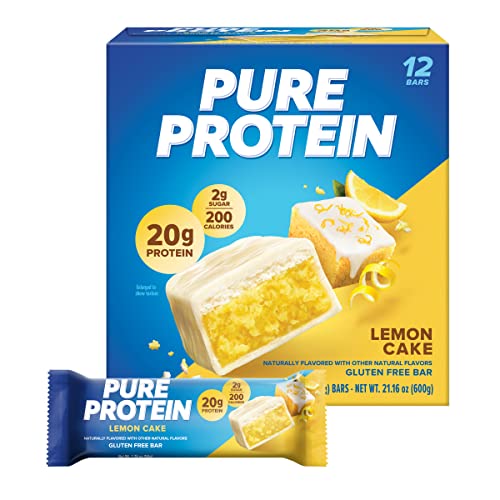
The Lemon Cake flavor brings a citrusy, dessert-inspired feel while delivering 20 g of protein and a controlled sugar profile. It’s a lighter option that can fit into meals or snacks when a refreshing flavor is preferred. This can help sustain appetite control while pursuing higher protein intake.
Who it’s best for: those who want a clean, bright-tasting protein bar without heavy chocolate flavors. Why selected: adds variety to a weight-gain plan with a citrus profile. Caution: citrus-forward flavors can be polar; some may prefer traditional chocolate or peanut flavors.
Pure Protein Chocolate Peanut Caramel Protein Bars

This bar pairs chocolate with roasted peanuts and caramel for a decadent flavor while maintaining about 20 g of protein. The combination of cocoa, peanut, and caramel creates a satisfying treat that can help meet daily protein targets without significantly increasing sugar intake. It’s a practical pick for weight gain through flavor variety and energy density.
Who it’s best for: fans of candy-bar-inspired flavors who still want a protein boost. Why selected: allows for a more indulgent option within a protein-focused plan. Caution: the sweeter profile may prompt more cravings if not portion-controlled.
Nature Valley Variety Pack Protein Chewy Granola Bar

This gluten-free option provides a good protein baseline of about 10 g per bar, with a focus on wholesome ingredients and variety across three flavors. It serves as a convenient add-on to a weight-gain plan when paired with higher-protein meals. The pack format helps with grocery stocking and portion planning.
Who it’s best for: those seeking a lighter protein option with wholesome bar formats. Why selected: useful when you want a lower-protein alternative that still contributes to daily goals. Caution: lower protein than other picks; may require additional protein sources to meet targets.
Pure Protein Variety Pack Protein Bars

This 18-count bundle includes a mix of Chocolate Peanut Butter, Chocolate Deluxe, and Chewy Chocolate Chip. It’s designed to deliver 20–21 g of protein per bar, with a gluten-free profile and a balance between flavor and macros. It supports varied snacking without sacrificing protein intake for weight gain.
Who it’s best for: shoppers who want a dependable protein mix without paying for individual flavors. Why selected: broad flavor coverage helps sustain adherence. Caution: variety can complicate tracking if you rotate flavors that have different sugar or macro nuances.
Buying Guide
What to look for in high-protein bars for weight gain
- Protein per bar: Aim for 20 g or more per bar to support daily muscle-building protein targets.
- Sugar and net carbs: Choose options with moderate sugar to avoid empty calories that can hinder gains.
- Calories per bar: For weight gain, consider bars with higher calories and energy density, not just protein.
- Ingredient quality: Look for whole-food bases (nuts, oats) and minimal artificial additives when possible.
- Diet compatibility: Check gluten-free, dairy-free, or plant-based claims based on dietary needs.
Flavor variety and practicality
- Flavor variety helps adherence; consider variety packs to avoid flavor fatigue.
- On-the-go compatibility: choose individually wrapped bars for convenient consumption between meals or around workouts.
- Texture and craveability: some people prefer chocolatey, chewy, or crunchy textures; select accordingly to avoid overeating.
How to integrate bars into a weight-gain plan
- Pair bars with meals or shakes to reach higher daily calories while boosting protein intake.
- Use bars as post-workout recovery or between meals to sustain energy and support muscle synthesis.
- Rotate flavors to maintain interest and ensure consistent protein sourcing across the day.
Practical tips
- Read the nutrition label for accurate protein, sugar, and calorie counts; product formulations can change.
- Store bars in a cool, dry place; some flavors may soften or melt in heat.
- Consider pairing a bar with a glass of milk or a yogurt to boost calories and nutrients.
Frequently asked questions
- How many bars per day should I use for weight gain? – Start with 1–2 bars as a supplement to meals and adjust based on total calories and protein needs.
- Are high-protein bars better than shakes for weight gain? – Both can be effective; bars offer convenience and texture, while shakes can deliver higher calories with flexible macros.
- Should I avoid bars with sugar alcohols? – Some people experience digestive discomfort; check label and adjust intake accordingly.
- Can these bars replace meals? – Bars can supplement meals but should not typically replace balanced meals entirely; pair with other nutrient-dense foods.
- Are gluten-free bars suitable for non-gluten diets? – Gluten-free options are available and can fit this need, but always verify the ingredient list.
- Do these bars contain allergens I should avoid? – Check for common allergens on each product’s ingredient list before purchasing.
Leave a Reply