Best Coconut Oil Extracts and Fractions for Baking, Skin, and Wellness
When choosing coconut oil extracts and fractions, look for clarity on purpose: baking flavor, cosmetic use, or carrier oil for essential oils. This guide highlights five versatile options that suit different needs—bakers seeking rich coconut aroma, DIY beauty enthusiasts, and those preferring organic or fractionated oils. Each product is evaluated for best use cases, with practical notes on limitations. The list helps you compare flavor strength, carrier oil properties, and suitability for skin, hair, and culinary projects.
Summary table of selected products:
- Watkins Coconut Extract: Best for baking and flavoring drinks; all-natural ingredients.
- LorAnn Oils Coconut Emulsion: Best for bakery-grade flavor and deep coconut punch in desserts.
- Organic Fractionated Coconut Oil (Pure Body Naturals): Best organic carrier oil with amber glass packaging.
- McCormick Coconut Extract With Other Natural Flavors: Best for easy baking and gluten-free recipes.
- Handcraft Blends Fractionated Coconut Oil: Best for skin, hair, and aromatherapy.
Watkins Coconut Extract, 11 fl. oz.

Best for: bakers and flavor enthusiasts who want a versatile, all-natural coconut extract. This product highlights naturally derived ingredients and avoids artificial colors or flavors, making it suitable for cookies, cakes, and beverages. Use within standard baking recipes to enhance coconut notes without overpowering other flavors.
Why selected: It provides a pure coconut flavor line with simple ingredients, aligning with clean-label preferences. The 11 fl. oz. size offers ample quantity for consistent use in multiple recipes.
Caution: Flavor strength can vary by batch; start with small amounts and adjust to taste to avoid overpowering desserts.
LorAnn Oils Coconut Emulsion For Baking

Best for: bakers who want a stronger coconut presence in cookies, cakes, and desserts without relying on traditional extracts. The emulsion delivers a deeper impact than typical flavor extracts and is versatile for enhancing flavoring oils in sweet treats.
Why selected: It offers bakery-grade flavor strength suitable for rich tropical profiles, helping home bakers achieve bold coconut notes that endure baking. It’s especially useful when a robust coconut profile is desired in frostings and fillings.
Limitation: Emulsions can thicken or separate slightly in very cold batters; gently remix or re-warm to maintain smooth incorporation.
Organic Fractionated Coconut Oil, 4 fl oz
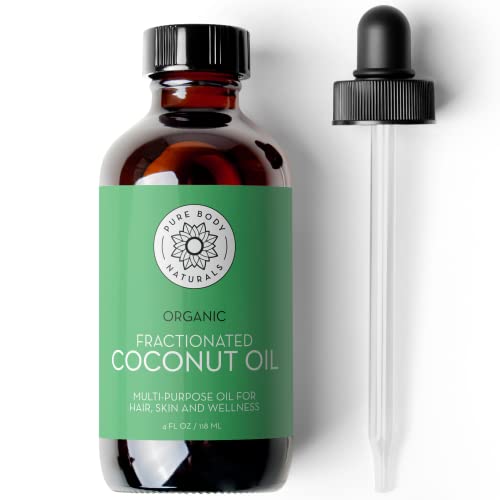
Best for: those seeking a pure, organic carrier oil for aromatherapy, skincare, and DIY beauty formulations. The amber bottle helps protect from light exposure, preserving quality over time.
Why selected: This option emphasizes organic sourcing and packaging that minimizes photodegradation and potential plastic leaching, supporting longer shelf life for sensitive blends.
Limitation: Being a carrier oil, it’s tasteless and odorless—unlike flavoring extracts—so it’s not suitable for culinary applications where coconut flavor is required.
McCormick Coconut Extract With Other Natural Flavors, 1 fl oz
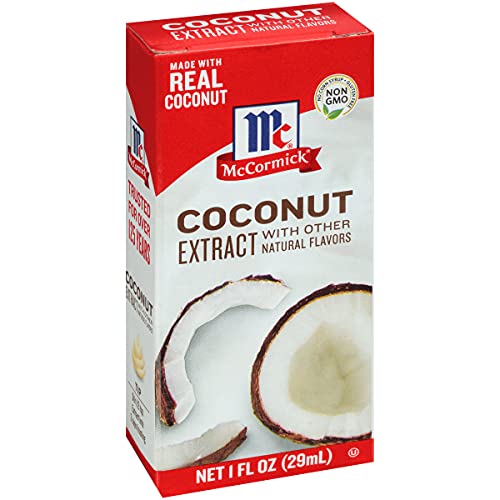
Best for: quick-bake scenarios and gluten-free recipes where a clean coconut flavor is desired without complex ingredients. The extract is made with 100% premium ingredients and offers an easy pour spout for mess-free use.
Why selected: It provides a straightforward flavoring option with gluten-free suitability, suitable for households seeking reliable, convenient coconut notes in a variety of baked goods.
Limitation: Contains flavorings beyond pure coconut extract, so flavor profile may be slightly more complex; adjust quantities to suit personal taste.
Handcraft Blends Fractionated Coconut Oil – 16 Fl Oz

Best for: users seeking a versatile, fragrance-free carrier oil for aromatherapy, hair and skin care, and DIY blends. It’s suitable for massage oils, skincare routines, and pet care applications where a light touch is preferred.
Why selected: This product emphasizes a lightweight, non-greasy feel and compatibility with essential oils, making it a practical choice for daily use and custom blends.
Limitation: As a fractionated oil, it lacks coconut aroma, which may be a drawback when coconut scent is desired in culinary contexts.
Buying Guide
What should I consider when choosing a coconut oil extract or fractionated oil?
- Purpose: Bakery flavor vs. carrier oil vs. cosmetic use. Align the product type with your primary goal.
- Flavor profile: For baking, consider strength and balance with other ingredients. For cosmetics, aroma may be less relevant.
- Ingredients: Look for all-natural ingredients and absence of artificial colors or flavors for clean-label cooking.
- Packaging: Amber glass bottles protect quality; consider bottle size and ease of pouring.
- Allergies and dietary needs: Ensure the product meets dietary restrictions (gluten-free, organic, etc.).
- Storage: Keep in a cool, dark place to maintain potency, especially for extracts and emulsions.
FAQ
- What is the difference between coconut extract and coconut emulsion?
Extracts provide a distinct coconut flavor with a clear liquid form, while emulsions deliver a deeper flavor impact and are designed for stronger flavor release in baking.
- Can fractionated coconut oil be used in skin care?
Yes. It is a light, non-greasy carrier oil suitable for moisturizers, hair oils, and aromatherapy blends.
- Is organic coconut oil always fragrance-free?
Fractionated organic coconut oil is typically fragrance-free, but some products may include minor additives; check the ingredient list.
- Which product is best for gluten-free baking?
Most clearly labeled coconut extracts (no artificial flavors) and gluten-free formulations are suitable; confirm labeling on packaging.
- Should I avoid coconut oil in certain recipes?
Avoid using fragrance-heavy coconut extracts in delicate pastries where subtle flavors are preferred; start with small amounts and adjust.
Leave a Reply