Best Vegetarian Friendly Protein Powder Options for Clean Plant-Based Nutrition
Finding a vegetarian friendly protein powder that fits a dairy-free, soy-free, and gluten-free lifestyle can be challenging. This guide highlights five well-rounded choices that emphasize simple ingredients, complete amino acids, and clear labeling. Each option is suitable for vegetarians and vegans seeking reliable post-workout recovery, meal supplementation, or daily protein boosts. The buyer’s intent is clarity: choose a plant-based protein that aligns with dietary needs, taste preferences, and nutrition goals.
Overview of selected products:
- NAKED Pea Protein Isolate — 100% yellow pea protein, NSF Certified
- Orgain Organic Vegan Protein Powder, Natural Unsweetened — clean, organic blend
- Anthony’s Premium Pea Protein — unflavored, budget-friendly
- Orgain Organic Vegan 21g Protein + Superfoods — fortified blend
- Truvani Organic Plant Based Protein Powder, Chocolate — clean, simple ingredients
| Product | Key Benefit | Best For |
|---|---|---|
| NAKED Pea | Single-ingredient protein, NSF certified | Purist clean protein, those avoiding additives |
| Orgain Organic Vegan Protein Powder, Natural Unsweetened | Organic, complete plant blend with fiber | Gut-friendly, minimalist sugar intake |
| Anthony’s Premium Pea Protein | Pure pea protein isolate, gluten-free | No-frills, cost-conscious consumers |
| Orgain Organic Vegan 21g + Superfoods | Additional superfoods blend for nutrition | Those seeking extra micronutrients |
| Truvani Organic Plant Based Protein Powder | Simple, clean ingredients, dairy-free | Allergy-aware, flavor-conscious buyers |
NAKED Pea Protein Isolate

Product overview: 100% yellow pea protein with zero additives. The formula is GMO-free, soy-free, gluten-free, and vegan. It provides 27g of protein, 2g of sugar, 2g of carbs, 120 calories, and 5.7g of BCAAs per serving. This NSF Certified protein powder emphasizes purity and safety. Best for individuals who want a simple, single-ingredient protein without artificial flavors or sweeteners.
Who it’s best for: Vegetarians or vegans who prefer a straightforward ingredient list and a clean label. Those avoiding soy and dairy will appreciate the dairy-free profile. Athletes seeking substantial protein per serving without added sugars may favor this option.
Why selected: It represents the purest plant-based protein option among the list with zero additives. The NSF certification adds an extra layer of trust for purity and safety.
Limitation: Some consumers report a distinct pea flavor; consider blending with fruits or flavor-free recipes if taste is a concern. No added sweeteners means relying on natural flavor from ingredients you mix in.
Orgain Organic Vegan Protein Powder, Natural Unsweetened
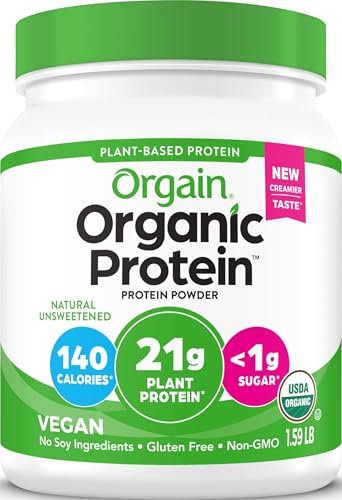
Product overview: 21g of organic plant-based protein per serving from a blend of organic peas, brown rice, and chia seeds. It features 0g sugar, 4g of prebiotic fiber, and low net carbs. The product is USDA Organic, vegan, gluten-free, kosher, non-GMO, and soy-free, with no carrageenan or dairy ingredients.
Who it’s best for: Those seeking a clean, organic protein blend with gut-supporting fiber. Suitable for people who avoid soy and dairy and want a product verified by organic certification.
Why selected: This option balances protein quality with additional gut-friendly fiber and a non-GMO, organic profile. It’s a versatile base for shakes and recipes without added sugars.
Limitation: The unsweetened nature means taste may be less appealing to some; pairing with flavored add-ins can improve palatability without sacrificing nutrition.
Anthony’s Premium Pea Protein

Product overview: Premium pea protein isolate designed as a plant-based protein source with gluten-free and lactose-free properties. It’s unflavored and vegan, making it versatile for adding to smoothies, baking, or hot beverages.
Who it’s best for: Budget-conscious shoppers who want a straightforward pea protein option without added flavors. Also suitable for those who prefer to customize sweetness and flavor at home.
Why selected: It offers a cost-effective, pure pea protein option with a clean ingredient list and gluten-free assurance.
Limitation: Lacks added flavors or sweeteners, which may require additional seasoning or blending for those who prefer a tastier option right away.
Orgain Organic Vegan 21g Protein + Superfoods
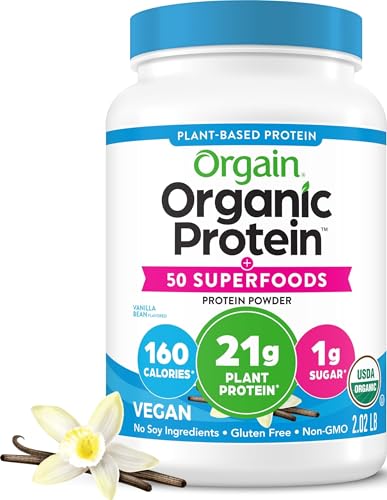
Product overview: 21g of organic plant-based protein from a blend of organic peas, brown rice, and chia seeds, with 8g of prebiotic fiber and a 50 superfoods blend. It is USDA Organic, vegan, non-GMO, gluten-free, kosher, and soy-free. Adds natural monk fruit for sweetness in some variants and avoids artificial ingredients.
Who it’s best for: Consumers looking for a protein powder with extra micronutrients and fiber for gut support. Ideal for those who want a richer nutrient profile beyond protein alone.
Why selected: The added superfoods and prebiotic fiber can support digestion and overall nutrition, making it a more complete daily supplement option.
Limitation: Some might find the variety of ingredients makes flavor or texture less predictable across batches; choose this if you don’t mind a more complex formula.
Truvani Organic Plant Based Protein Powder, Chocolate
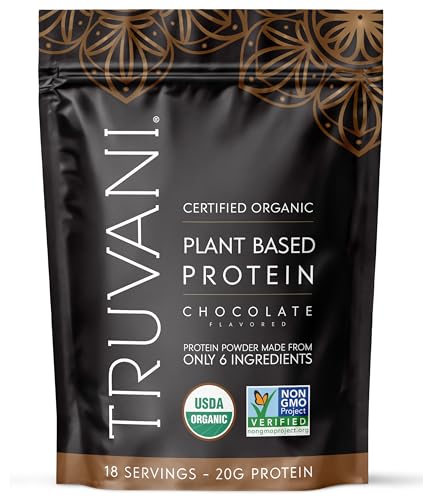
Product overview: Premium plant-based protein powder with simple ingredients, specifically from organic peas, pumpkin seeds, and chia seeds. It is certified USDA Organic, non-GMO, and vegan, with chocolate flavor option. Free from soy, dairy, gluten, and artificial sweeteners.
Who it’s best for: Buyers seeking a clean label with minimal processing and a chocolate flavor for easier taste appeal. Suitable for those with soy or dairy sensitivities who still want a flavorful option.
Why selected: Truvani emphasizes transparency and minimalism, appealing to shoppers prioritizing ingredient purity and straightforward labeling.
Limitation: Some may prefer non-chocolate flavors; the chocolate variant might carry natural cocoa flavors that alter sweetness perception for certain palettes.
Buying Guide: Key Considerations for Vegetarian Protein Powder
- Protein source and completeness: Look for blends or single-ingredient options that provide all nine essential amino acids. Pea protein is common and reliable; blends with quinoa, chia, or brown rice can offer complete amino acids.
- Ingredient purity and certifications: NSF, USDA Organic, non-GMO verification, and vegan labeling help verify quality and dietary suitability. Avoid artificial sweeteners, flavors, or colors if you prefer a clean label.
- Allergen considerations: If you have gluten, dairy, or soy sensitivities, prioritize products that explicitly state “gluten-free,” “dairy-free,” and “soy-free.”
- Taste and texture: Unflavored options require flavoring in recipes or mixes; flavored variants can be sweeter and may contain sweeteners. Consider starting with natural or unsweetened options if you’re sensitive to taste.
- Digestive support: Some formulas include prebiotic fiber or additional ingredients for gut health. Evaluate whether you want fiber-rich formulas or solely protein per serving.
- Usage context: If you need a post-workout protein boost, check amino acid content (notably BCAAs) and protein grams per serving. For meal replacement or baking, consider texture and mixability.
- Shopping considerations: Compare price per serving, batch size, and any certifications. A single-ingredient option might be preferable for those who want minimal additives.
Frequently Asked Questions
- What makes a protein powder vegetarian-friendly?
Vegetarian-friendly powders use plant-based sources such as pea, brown rice, chia, or blends and avoid dairy-derived ingredients. They are typically labeled vegan or dairy-free.
- Is pea protein complete?
Pea protein is high-quality but may be low in one or two essential amino acids unless blended with other plant proteins. Many products combine pea with rice or chia to create a complete amino acid profile.
- What certifications should I look for?
Look for USDA Organic, Non-GMO Project Verified, vegan or vegetarian labeling, gluten-free certification, and NSF certification for purity and safety.
- How do I choose between unsweetened and flavored options?
Unsweetened powders offer flexibility for recipes and reduced sugar intake, while flavored options provide taste convenience. Choose based on dietary goals and flavor tolerance.
- Are organic plant-based proteins better for digestion?
Organic certification ensures farming practices but does not guarantee digestion; blends with fiber or prebiotics may support gut health for some users, depending on tolerance.
- Can I use these powders for baking?
Yes. Plant-based proteins can be used in smoothies, pancakes, muffins, and other baked goods. Some flavors or textures hold up better in recipes than others.
Leave a Reply