Best High Fiber Wheat Breads for Everyday Nutrition and Taste
Answering the demand for high-fiber wheat bread, this guide highlights top options that balance fiber with flavor. Ideal for health-conscious shoppers, busy families, and meal-prep lovers who want a satisfying slice without sacrificing nutrition. Below, you’ll find concise product notes, who each bread is best for, and practical buying considerations. A quick comparison table is provided to help you choose at a glance.
| Product | Fiber (approx per serving) | Best For | Notes |
|---|---|---|---|
| Mestemacher Organic Three Grain High Fiber | High | Everyday fiber boost | German-style, organic grains |
| Dave’s Killer Bread 21 Whole Grains & Seeds | Moderate | Seed lovers, hearty texture | Whole grains with seeds, robust crust |
| Arnold Whole Grains 12 Grains & Seeds | High | Fiber-focused breakfasts | Balanced blend of grains and seeds |
| Mestemacher Natural High Fiber Bread Variety Pack | High | Variety and fiber | Three flavors, vegan and Kosher |
| Nature’s Own 100% Whole Wheat with Honey | Moderate | Everyday sandwich bread | Honey note, simpler ingredient list |
Mestemacher Organic Three Grain High Fiber Bread

This loaf blends organic rye flour with oat flakes, barley flakes, flaxseed, and sesame seeds. It emphasizes a rich flavor and hearty texture, making it a strong pick for fiber-forward breakfasts and lunches. Best for buyers who value organic ingredients and a traditional European-style grain mix.
Who it’s best for: those who want a high-fiber option with clean ingredients, and fans of dense, flavorful slices. Why selected: the grain combination naturally boosts fiber while keeping a wholesome profile. Limitation: a denser crumb may be less suitable for ultra-thin sandwiches.
Dave’s Killer Bread 21 Whole Grains & Seeds

This loaf packs 6g protein, 4g fiber, and 22g whole grains per slice, with a hearty texture and seed-coated crust for added crunch. It’s a solid choice for those who want a substantial, seed-forward bread that supports daily fiber intake while delivering a satisfying bite.
Who it’s best for: sandwich lovers who crave a robust, seed-forward loaf. Why selected: strong whole-grain presence and fiber support. Caution: some may find the seed crust slightly more textured than standard sliced breads.
Arnold Whole Grains 12 Grains & Seeds

With 10g protein and 7g fiber per two slices, this bread emphasizes fiber-rich nutrition without compromising taste. It contains 38g of whole grains per two slices and avoids artificial preservatives, colors, or flavors. Best for: daily fiber goals with versatile use in sandwiches and toast.
Why selected: nutrient-dense grain blend supports digestive health. Limitation: some may prefer a lighter texture for open-faced sandwiches.
Mestemacher Natural High Fiber Bread Variety Pack

This 3-pack includes Fitness Bread, Rye Bread, and Sunflower Seed Bread—each loaf weighing 17.6 oz. It delivers a wholesome assortment of high-fiber breads, with vegan, non-GMO, kosher certifications and no artificial additives.
Who it’s best for: households that enjoy variety and want consistent fiber across different bread flavors. Why selected: flexibility in fiber-rich options. Caution: flavor profiles vary between loaves, which may affect sandwich uniformity.
Nature’s Own 100% Whole Wheat With Honey
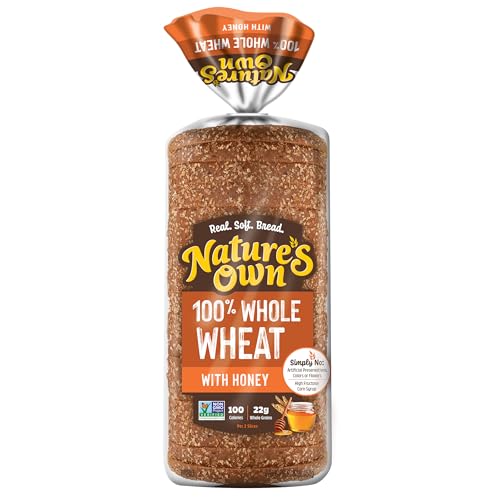
This loaf offers 100% whole wheat with a touch of honey for natural sweetness and fewer ingredients. It is Non-GMO Project Verified and free from artificial colors, flavors, or preservatives. Best for: everyday sandwich bread with a milder flavor and smoother texture.
Why selected: simple, approachable option that complements a variety of toppings. Limitation: honey note may not suit purists seeking a plain whole-wheat profile.
Buying Guide: High-Fiber Wheat Bread Essentials
- Fiber content: Match your daily goals. Look for breads that provide 5–7g fiber per two slices for an effective daily contribution.
- Grain variety: Whole grains like rye, oats, barley, and seeds boost texture and fiber. A mix often yields the best balance of flavor and nutrition.
- Ingredients: Prefer organic or non-GMO labels if you prioritize clean ingredients. Avoid breads with artificial preservatives or colors when possible.
- Allergen considerations: If you avoid gluten, ensure the product is crafted to suit your needs or consult labeling for certification notes such as vegan or Kosher.
- Texture and use-case: Dense, hearty slices are ideal for robust sandwiches; lighter slices suit toast with spreads and toppings.
- Portion and packaging: Multi-pack options can offer value and consistency for households consuming bread daily.
FAQ
What makes high-fiber wheat bread beneficial for daily meals?
High-fiber breads support digestive health, help with satiety, and can contribute to balanced energy throughout the day.
Is organic bread worth prioritizing for fiber?
Organic options focus on fewer synthetic additives, which some buyers prefer for ingredient quality without necessarily increasing fiber alone.
How should I choose between a seed-rich loaf and a plain whole-wheat loaf?
Seed-rich loaves add texture and extra nutrients, while plain whole-wheat loaves offer a milder flavor and may be more versatile for kids.
Can I get a lot of fiber from bread alone?
Bread can contribute meaningfully, but it’s best paired with fruits, vegetables, legumes, and whole grains to reach fiber goals.
Are there any safety considerations with bread variety packs?
Check for freshness and storage guidance; keep loaves refrigerated or frozen if not used within a reasonable time to preserve quality.
Leave a Reply