Best Food Coloring for Buttercream: Top Picks for Vibrant, Tasteless Color
Buttercream benefits from color that is vivid yet true to flavor. This guide reviews five standout food coloring sets that deliver brilliant hues for buttercream, frosting, and decorative desserts without altering taste. We cover liquid and gel formats, color strength, ease of use, and allergen considerations to help you choose the right product for home baking or professional decorating.
Summary of Selected Products
| Product | Type | Colors Included | Key Benefit |
|---|---|---|---|
| Food Coloring Set – 12 Color (Cherrysea) | Liquid | 12 colors | Highly concentrated, tasteless; easy control with dropper |
| Ann Clark Professional Gel Food Coloring | Gel | 12 colors | Strong color, easy drop-by-drop control |
| Chefmaster Liqua-Gel – 12 Pack | Gel/Liqua-Gel hybrid | 12 colors | Fade-resistant, professional-grade color |
| AmeriColor Student Kit | Gel/Paste | 12 colors | Superior color strength for delicate icings |
| Treedoa Food Coloring Set – 12 Colors | Liquid | 12 colors | High-concentration formula; large 10 ml bottles |
Food Coloring Set – 12 Color (Cherrysea)
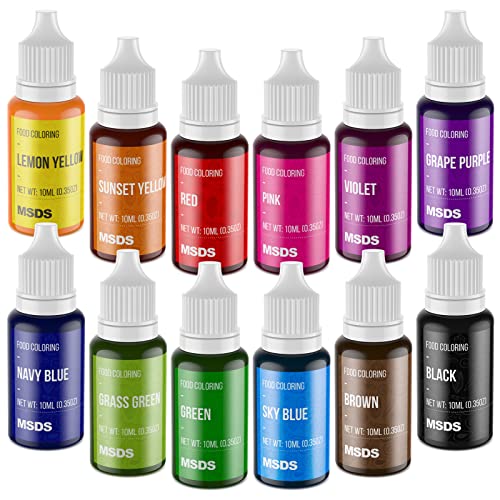
Cherrysea’s 12-color liquid food coloring set provides a broad spectrum for buttercream decoration. Each bottle is 0.35 fl. oz, highly concentrated for vibrant results with only a few drops. The colors include Lemon Yellow, Sunset Yellow, Grass Green, Violet, Grape Purple, Navy Blue, Sky Blue, Red, Brown, Pink, Green, and Black. This set is dairy-free, nut-free, gluten-free, and tasting-neutral, ensuring the flavor profile of your buttercream remains intact. The drop-mouth design enables precise mixing and custom shades by blending colors.
Ann Clark Gel Food Coloring (USA Made) 12 Colors

Ann Clark Professional Gel Food Coloring offers brighter, more concentrated color for icing, frosting, buttercream, and cookies. One tube colors enough icing for multiple cakes, enabling precise shade control drop by drop. The gel formula minimizes dilution and preserves texture. It is allergen-free and suitable for vegan use, with no peanuts, tree nuts, gluten, eggs, dairy, soy, or shellfish. The product is designed for consistent color without altering the flavor or consistency of your buttercream.
Chefmaster Liqua-Gel Food Coloring – 12 Pack

Chefmaster Liqua-Gel provides true-to-shade color with a fade-resistant formula. The easy-squeeze no-drip bottles and blend-friendly formula help achieve professional-grade hues without compromising texture or taste. Designed to deliver vibrant colors that remain stable over time, these gels are suited for decorators seeking lasting impact in buttercream and fondant projects. The set is widely used by professionals for consistent, bold coloration in cakes, cupcakes, and cookies.
AmeriColor Student Kit – 12 Colors

AmeriColor Student Kit features gel paste colors with superior concentration and strength. The set is designed to avoid separation and weeping in delicate non-dairy whipped icings and toppings. The colors hold up well under varying temperatures, making them reliable for buttercream that needs to stay vibrant through decorating and display. The kit is suitable for aspiring decorators and professionals who require consistent, strong color performance with minimal mixing effort.
Treedoa Food Coloring Liquid Set – 12 Colors

Treedoa offers a 12-color liquid set with 10 ml bottles, focusing on brightness and concentration. The colors include Red, Pink, White, Black, Brown, Sky Blue, Blue-Green, Green, Taro Purple, Grape Purple, Lemon Yellow, and Sunset Yellow. The high concentration means a small amount yields strong color, reducing the risk of over-dilution. The larger bottle size supports longer use in batch decorating or classes, and the set is marketed for DIY at home or in baking classes.
Cherrysea Natural Food Coloring – 7 Colors
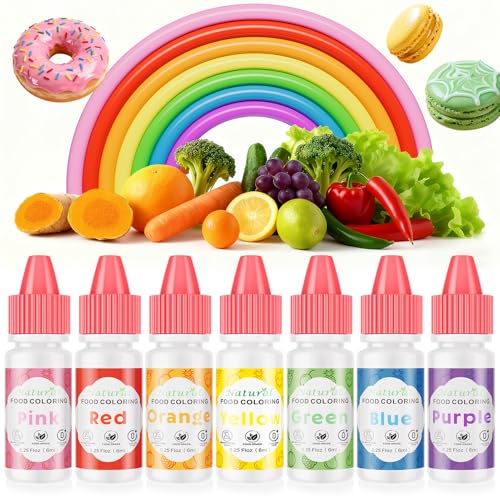
Cherrysea’s Natural Food Coloring collection offers seven vibrant liquid colors derived from natural sources, with no artificial FD&C dyes. This formula is heat resistant, making it suitable for baked buttercream that needs to withstand oven or warming conditions. The palette includes Red, Orange, Yellow, Green, Pink, Blue, and Purple, providing a versatile foundation for mixing and layering shades. It’s a reliable option for families seeking natural color options without sacrificing range or durability in decorated desserts.
Buying Guide: Key Purchase Considerations
- Color format and control: Liquid colors are easy to blend in large batches, while gels and pastes offer stronger color with less risk of thinning buttercream. Choose based on your preferred technique and the depth of color you need.
- Concentration and yield: Higher concentration means less product is needed per batch. Consider the number of batches you typically decorate and whether you want colorful, long-lasting results for events or daily baking.
- Flavor impact: Most professional-grade colors are designed to be tasteless. Always verify if a dye is flavor-neutral or if it carries a distinct taste that could affect your recipe.
- Allergen and dietary considerations: If you bake for others with allergies, review ingredients for gluten, dairy, nuts, or gluten-free labeling. Gel colors can sometimes be more allergen-friendly depending on formulation.
- Storage and packaging: Look for squeeze bottles or drop-spout designs for precise dosing. Adequate storage ensures color remains fresh and avoids cross-contamination.
- Heat stability: For buttercream that will be exposed to heat or warm environments, choose heat-stable colors to prevent fading or bleeding during display or transport.
- Color range: A broad palette supports a wider range of shades. If you frequently decorate themed or holiday cakes, consider a set with reds, greens, blues, and neutral tones like white and black.
- Cost per color vs. total yield: Compare bottle sizes and color strength. A higher upfront cost can be economical if it reduces the amount needed per batch or lasts longer.
When selecting color for buttercream, assess whether you prefer liquid for quick tinting or gel/paste for more precise, deeper hues. For professional-level projects, a mixed approach—gel colors for base tones and liquid colors for accents—can yield the most versatile results. Always test colors on a small batch to preview how they interact with your buttercream’s base recipe and fat content.
Leave a Reply