Best Lactose-Free Milk and Enzyme Aids for 1-Year-Olds
If you’re shopping for a 1-year-old with lactose intolerance, your goal is to support safe, comfortable digestion while maintaining key nutrients. This guide highlights five practical options that are suitable for young children: lactose-free milks, ultra-pasteurized options, and kid-friendly lactase enzyme products. These picks target common symptoms like gas, bloating, and diarrhea, and are chosen for ease of use, palatability, and suitability for growing toddlers.
Who should consider these products: parents seeking lactose-free dairy beverages for daily nutrition, caregivers needing enzyme supplements to help with occasional dairy intake, and families exploring shelf-stable options for travel or daycare. The table below summarizes the five highlighted products and their primary benefits for quick reference.
| Product | Best For | Notes |
|---|---|---|
| Milkaid Junior Lactase Chewables | Kids who dislike liquids; on-the-go use | Strawberry flavor; chewable |
| Lactaid 100% Lactose Free Milk | Everyday milk alternative | Real dairy, lactose-free |
| Prairie Farms Lactose Free Shelf Milk | Long shelf life; no refrigeration before opening | Ultra-pasteurized, vitamin-enriched |
| Lactaid 1% Lowfat Milk | Low-fat dairy option | 100% lactose-free |
| Milkaid Drops | Digestive support when dairy is consumed | Natural enzyme drops |
Milkaid Junior Lactase Chewable Tablets for Kids

Best for young children who struggle with lactose but prefer convenient, chewable tablets. Milkaid Junior is designed to improve lactose digestion by supplying the lactase enzyme directly, helping reduce symptoms like gas, bloating, and diarrhea after dairy exposure. The strawberry-flavored chewables offer a kid-friendly option that does not require water, making them suitable for meals away from home. Vegetarian, gluten-free, and yeast-free features add dietary flexibility.
Who this is for: families seeking a simple, on-the-go lactose solution for toddlers already eating solid foods. Limitations: chewables may not be suitable for children with picky taste preferences toward strawberry flavor or for those who require liquid enzyme delivery.
Lactaid 100% Lactose Free 1% Low Fat Milk

This option suits households that want real dairy taste with lactose removed. Lactaid’s 100% lactose-free status makes it an easy substitute for regular milk, retaining the familiar mouthfeel and nutrition while avoiding lactose-related discomfort. Best for toddlers who already accept cow’s milk but need lactose digestion support. Caution: some children may detect subtle taste differences compared to standard milk, though many tolerate it well.
Prairie Farms Lactose Free Shelf Stable Milk

Chosen for families needing shelf-stable dairy options, Prairie Farms Lactose Free milk is UHT pasteurized and fortified with vitamins A and D, plus protein. It is suitable for room-temperature storage before opening, with refrigeration required after opening. Best for travel, daycare, or households without easy refrigeration access. Better for those prioritizing long shelf life, though opened cartons must be refrigerated promptly.
Lactaid 1% Lowfat Milk

An everyday lactose-free dairy option with a lower fat content, suitable for toddlers who need a lighter milk choice. Real dairy flavor is preserved while lactose is removed, helping reduce typical lactose intolerance symptoms. Best for families seeking a familiar milk experience without lactose. Limitation: some children may prefer higher-fat options for satiety or taste balance.
Milkaid Lactase Enzyme Drops

Best for flexible use when dairy is part of meals. Milkaid Drops are a natural enzyme-based solution designed to aid digestion of lactose, potentially reducing discomfort after dairy consumption. Suitable for vegetarians and free from artificial flavors. Use this if you want a non-pill, liquid enzyme option. Caution: dosages should follow product directions; not a substitute for complete lactose-free meals for all settings.
LactoJoy Lactase Pills
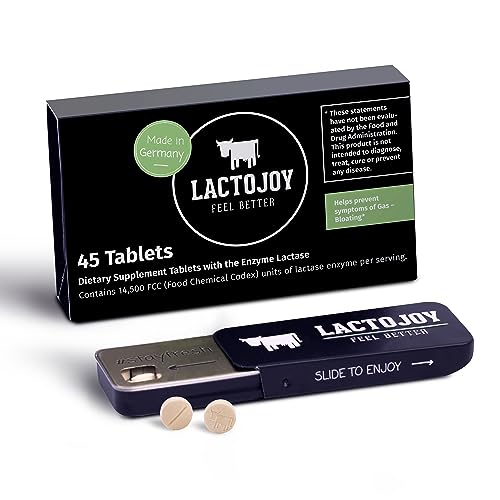
Best for parents seeking a high-dosage enzyme option in pill form. LactoJoy provides a strong lactase dose to support dairy digestion, helping reduce bloating, cramps, and diarrhea linked to lactose intolerance. Suitable for older toddlers or children needing a robust enzyme aid. Limitation: pill form may be less convenient during meals on the go for younger children who cannot swallow pills easily.
Vitamatic Lactase Enzyme 9000 FCC

Selected for a high-activity lactase enzyme option in tablet form. Vitamatic provides non-GMO, gluten-free relief that supports dairy digestion. Best for families needing a reliable enzyme booster with a clear dose. Consideration: tablet size and swallowing ease should be assessed for very young children; may be better suited for toddlers who can manage chewable or dissolvable formats.
Milkaid Lactase Enzyme Chewables (Raspberry)

Another Milkaid option with a raspberry flavor, crafted for easy chewing without water. Helps improve lactose digestion for children who have trouble digesting lactose after dairy. Vegetarian, gluten-free, and free from artificial flavors. Best for children who prefer berry flavors and need a quick, tastier enzyme boost. Limitation: flavor preference may affect adherence if the child dislikes raspberry.
Buying Guide: Key Considerations for Choosing lactose-intolerant options for 1-year-olds
- Is the product dairy-based or enzyme-based? Choose lactose-free milk for everyday nutrition or lactase enzymes to aid digestion after dairy consumption.
- How is the product stored? Shelf-stable options reduce refrigeration needs, while opened bottles require cold storage.
- What is the form factor? For toddlers, chewables or drops may be easier than pills or liquids; consider taste preferences and swallowing ability.
- Nutritional content: Look for fortified milk with vitamins A and D and adequate protein to support growth.
- Taste and texture: Flavor options like strawberry or raspberry can improve acceptance in young children; avoid artificial flavors if possible.
- Allergen and dietary considerations: Ensure options are vegetarian, gluten-free, and free from artificial additives if needed for your child’s diet.
FAQ
- What is lactose intolerance in a 1-year-old?
It is the body’s reduced ability to digest lactose, the sugar in dairy, due to low lactase enzyme levels, which can cause gas, bloating, and diarrhea after dairy intake.
- Should I choose lactose-free milk or lactase enzyme drops?
If your child tolerates dairy with enzyme support, lactase drops or chewables can help. If they consistently struggle with dairy, lactose-free milk may be simpler and more reliable.
- Are shelf-stable lactose-free milks safe for toddlers?
Yes, shelf-stable lactose-free milks are acceptable before opening and can be handy for travel; once opened, refrigerate promptly.
- Can I mix lactose-free milk with regular foods?
Yes, lactose-free milk can be used in cereals, cooking, and beverages as part of a balanced diet, but monitor for any sensitivities.
- Do these products replace medically advised dietary plans?
These products support lactose management but should not replace guidance from a pediatrician or dietitian for a child with diagnosed intolerances or allergies.
Leave a Reply