Best Popular Italian White Wine Picks for Cooking and Pairing
Looking for popular Italian white wines to elevate cooking or to enjoy with meals? This guide highlights five well-suited options for American buyers, focusing on versatility, flavor, and kitchen use. Whether you’re stocking a pantry for marinades, dressings, seafood dishes, or casual table wine, these picks cover best-for cooking, best-for-dining, and best-for-salad applications. The buyer’s notes below explain who each product is best for and why it stands out.
Quick comparison
- Tuscanini Premium Kosher White Cooking Wine — Best for Kosher kitchens and simple pan sauces.
- Iberia Dry White Cooking Wine — Best value multi-pack for everyday cooking.
- Monterustico Piemonte Bianco — Best for aromatic, floral profiles with light dishes.
- Ruffino Lumina DOC Pinot Grigio — Best for table drinking and pairing with light fare.
- Tuscanini Italian White Wine Vinegar — Best for dressings, marinades, and crisp tang in recipes.
Tuscanini Premium Kosher White Cooking Wine
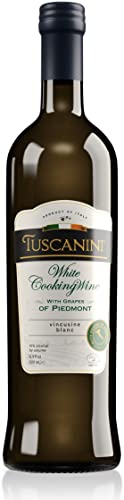
Best for: Kosher kitchens and everyday cooking where a delicate white wine flavor is desired without complexity. This product is described as savory and authentic, crafted from Rosso Tuscano and White Muscat grapes to enhance flavor and aroma in cooking, marinades, and dressings.
Why it’s chosen: It provides a clean, approachable wine profile that can lift soups, sauces, and poultry without overwhelming other ingredients. The kosher designation makes it a practical choice for homes observing dietary requirements.
Limitations: As a cooking wine, it’s optimized for heat application; it may be less robust than table wines when served chilled as a beverage.
Iberia Dry White Cooking Wine
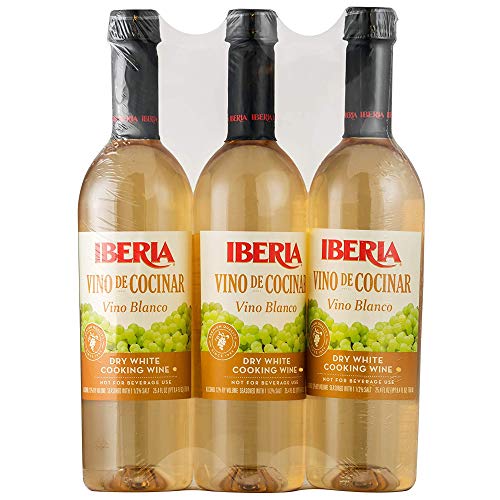
Best for: Versatile cooking needs, especially seafood recipes, risottos, dressings, and poultry dishes. Pack of 3 provides pantry staples for larger meal prep.
Why it’s chosen: Its description emphasizes rich flavor and aroma that work well in a wide range of dishes. Long shelf life adds practicality for frequent cooks.
Limitations: Being a cooking wine, it’s designed for cooking contexts; flavor nuances may be more subtle when used as a stand-alone beverage.
Monterustico Piemonte Bianco

Best for: Floral, pear and citrus-forward profiles; ideal with light appetizers, creamy pastas, or herb-roasted chicken.
Why it’s chosen: Originating from Langhe–Piemonte, this wine offers a bright finish with elderflower and orange blossom notes, making it a good companion to summery dishes and light seafood.
Limitations: Best enjoyed with food; may not pair as well with strongly spiced dishes.
Ruffino Lumina DOC Pinot Grigio

Best for: Table wine and pairing with light fare such as salads, seafood, and white meats. The aroma notes include pineapple, pear, meadow flowers, sage, and peach, with crisp apple and citrus flavors.
Why it’s chosen: It’s a convenient screw-top bottle, easing service and portability while delivering a classic Tuscan Pinot Grigio profile suitable for everyday meals.
Limitations: Not as robust as fuller-bodied whites for richer sauces or heavy dishes.
Tuscanini Italian White Wine Vinegar
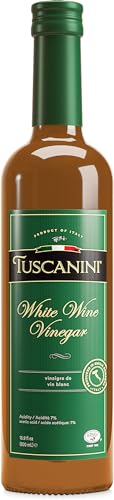
Best for: Dressings, marinades, and sauces. A premium white wine vinegar substitute that enhances acidity and sweetness with a balanced tartness.
Why it’s chosen: The product emphasizes premium quality, balanced flavor, and versatility for a wide range of culinary applications, including a substitute for white cooking wine in some recipes.
Limitations: As a vinegar, it is not a direct wine substitute in all cooking contexts; use accordingly to avoid excessive acidity in delicate dishes.
White Wine Vinegar Organic for Cooking & Salads

Best for: Organic cooking and dressings, especially in salads and vegetable dishes. USDA Organic certified with a longer aging profile behind the minimums for depth.
Why it’s chosen: The organic certification and aging standard are highlighted, making it appealing to buyers seeking organic ingredients and a nuanced vinegar for Italian-inspired recipes.
Limitations: As a vinegar, it may alter dish acidity more than a standard cooking wine; adjust quantities accordingly.
Buying Guide: Italian White Wine for Cooking and Dining
- Choose cooking wines for heat-based recipes, deglazing, marinades, or light sauces. Choose table wines for drinking with meals and simple pairings.
- Floral and citrus notes pair well with seafood and poultry. Denser, nutty, or buttery profiles suit creamy pastas and richer sauces.
- If dietary requirements or organic preferences apply, look for Kosher labeling or USDA Organic certification as a deciding factor.
- A multi-pack like Iberia provides pantry flexibility. For long-term storage, ensure proper seal and cool storage conditions.
- When substituting white wine vinegar for wine in recipes, account for higher acidity and adjust amount to maintain balance.
FAQ
- What is the best Italian white wine for cooking? A neutral, dry white wine such as a Pinot Grigio or a similar varietal is versatile for many sauces, seafood dishes, and risottos.
- Can I substitute white wine vinegar for cooking wine? Yes, but expect higher acidity; reduce quantity and balance with a touch of sugar or salt as needed.
- Are Italian white wines good for salads? Yes, particularly crisp profiles like Pinot Grigio work well in vinaigrettes and light dressings.
- Is organic white wine vinegar necessary? Not necessary for all recipes, but beneficial for organic kitchen goals and a different flavor nuance.
- What should I consider when buying white wine for cooking? Consider flavor intensity, acidity, and whether you need a wine suitable for dietary restrictions (kosher, organic).
- What is the advantage of white wine vinegar over wine? Vinegar adds tang and acidity with a longer shelf life; it’s useful in dressings and marinades where wine might reduce too quickly.
Leave a Reply