Best Dehydrated Foods for Backpacking: Flavorful, Lightweight Meals on the Trail
Answering the question for hikers and campers: these dehydrated and freeze-dried meals provide reliable nutrition, easy prep, and good taste in compact, lightweight packaging. They’re ideal for long treks, weekend camping, or emergency food kits. This guide highlights five top options that balance real meat, quality ingredients, and practical preparation for backpackers. Best for frequent solo hikers, ultralight backpackers, family campers, or emergency planners seeking sturdy meals with minimal cook time.
Summary table of chosen products:
| Product | Brand | Best For | Notes |
|---|---|---|---|
| Beef Stroganoff Freeze-Dried Meal | Peak Refuel | Real meat lovers, high protein | 2x protein vs. typical outdoor meals |
| Chicken Coconut Curry Freeze-Dried Meal | Peak Refuel | Flavor-forward meals, real meat | Premium ingredients, non-GMO |
| Chicken Alfredo Freeze-Dried Meal | Peak Refuel | Two-serving meals, high protein | Great for sharing or longer trips |
| Mountain House Breakfast Entree | Mountain House | Quick hot breakfast on trail | Long shelf life, easy prep |
| Lasagna or White Bean Chili (Good To-Go) | Good To-Go | Comfort meals with solid texture | Dehydrated meals with home-style taste |
Peak Refuel Beef Stroganoff Freeze-Dried Backpacking Meal
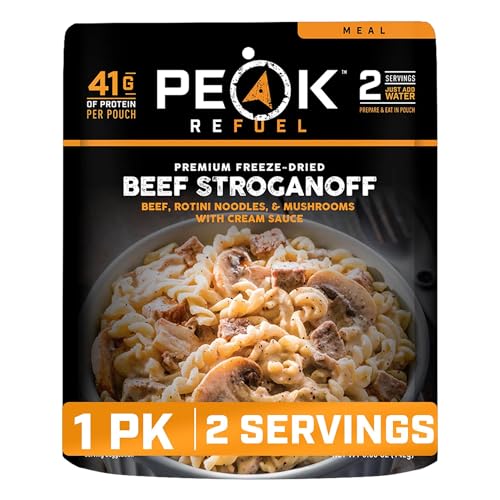
Best for those who want a hearty, meat-forward option with high protein. This Peak Refuel meal uses 100% real USDA-inspected meat and premium freeze-dried ingredients to preserve texture and flavor. It is designed to taste like a home-cooked dish after rehydration, making it a strong choice for travelers who value comfort foods on the trail. The product’s emphasis on real meat and lack of fillers makes it appealing to backpackers who prioritize nutritional density and taste.
Why it’s selected: high protein per serving, real meat, and freeze-dried ingredients that lock in nutrients. The preparation is straightforward—add water and wait. Best for solo hikers who want a robust, savory option and for those avoiding TVP or other fillers.
Caution: some hikers may find the serving size larger; check whether it matches your daily caloric plan to prevent overpacking or under-fueling on shorter trips.
Peak Refuel Chicken Coconut Curry Freeze-Dried Camping Meal

Best for flavor-first backpackers who still want protein-rich nourishment. This option uses real meat and premium freeze-dried ingredients to preserve taste and nutrients. The curry profile offers a comforting, aromatic experience after a day on the trail, making it a popular choice for dinner on longer trips. The “just add water” format remains a strong selling point for quick meals at camp.
Why it’s selected: a distinctive curry flavor that’s easy to rehydrate; high protein and non-GMO ingredients. Choose this if you want a more exotic, pantry-like meal without sacrificing simplicity on the trail.
Caution: curry sauces can appear thinner if water is added in excess; add gradually to reach your preferred consistency.
Peak Refuel Chicken Alfredo Freeze-Dried Meal

Best for two servings or sharing on shorter trips. This meal emphasizes real ingredients and high protein per serving, aligning with Peak Refuel’s commitment to quality nutrition. It offers a familiar Alfredo profile with a light, creamy texture after rehydration, suitable for hikers who want a comforting, restaurant-like option at basecamp or mid-hike.
Why it’s selected: strong protein content and comforting flavor profile. It’s a practical option when you’re feeding more than one person without compromising taste or ease of preparation.
Caution: dairy-based sauces may require careful hydration to avoid a clumpy texture; stir well after adding water.
Mountain House Freeze-Dried Breakfast Entree

Best for a quick morning start before a big day of hiking. Mountain House breakfasts require minimal prep and deliver a warm, satisfying start with minimal effort. The “Granola with Milk and Blueberries” concept blends comfort and convenience, making it a staple for many campers who want a reliable breakfast without cooking. It’s ideal for backpackers seeking a familiar breakfast experience on the trail.
Why it’s selected: easy, quick prep, and a dependable shelf life. It’s particularly well-suited for campers who value a hot morning meal that doesn’t demand complex cooking equipment.
Caution: breakfast options can be higher in calories per serving; plan portions to fit your daily energy needs and pack light if you’re reducing weight.
GOOD TO-GO White Bean Chicken Chili

Best for hikers who want a meat-and-bean option with a lighter, yet hearty profile. This single-serving chili is dehydrated to provide a solid texture after rehydration and offers a convenient, “just add water” preparation. It’s favored by backpackers who appreciate a flavorful, protein-rich meal with a less heavy sauce base.
Why it’s selected: compact, simple prep, and a wholesome bean-and-chicken combination. Choose this if you prefer a milder chili flavor and a reliably filling option that pairs well with a simple side or bread.
Caution: some batches can be spicier than expected; start with a smaller water amount and adjust to taste.
Buying Guide: Practical Choices for Dehydrated Backpacking Meals
- Protein per serving: Aim for 15–25 grams per serving for sustained energy. Real meat options generally provide higher protein density than fillers.
- Weight and packaging: Check serving sizes and package weight; consider two-serving meals for group trips or split servings for solo hikers trying to cut weight.
- Ingredients and preservatives: Favor premium freeze-dried ingredients and non-GMO options when possible. Avoid meals with artificial preservatives if you prefer cleaner ingredients.
- Flavor profile and versatility: Choose a mix of flavors (savory, spicy, creamy) to prevent palate fatigue on longer trips. Consider meals that can be customized with added veggies or spices.
- Ease of preparation: Prioritize meals that require minimal water and time, especially when weather or stove use is limited.
- Shelf life and storage: Long shelf life is beneficial for emergency kits and seasonal trips. Ensure you have a suitable storage plan to prevent heat exposure.
- Dietary considerations: If you have dietary restrictions (gluten-free, dairy-free), review ingredients and cross-contact notes to avoid issues on trail.
Frequently Asked Questions
- What makes freeze-dried meals better for backpacking than traditional canned meals? Freeze-dried meals are lighter, compact, and require less water or fuel to rehydrate, which saves weight and fuel on long trips.
- How much water do I need for rehydrating typical meals? Most meals advise 1 to 2 cups of HOT water per serving, but always follow the package instructions for best texture.
- Are real-meat meals worth the extra weight? Real-meat options typically provide higher protein density, better taste, and sustainable energy than meals relying on fillers or TVP.
- Can I customize dehydrated meals with add-ins? Yes. Adding powdered milk, cheese, dried vegetables, or fresh spices can enhance flavor and nutrition without significantly increasing weight.
- How should I store dehydrated meals for a longer trip? Keep them in a cool, dry place, away from direct sunlight. Use airtight containers or resealable bags to protect flavor and texture.
- Are there non-meat options if I’m vegetarian? Many brands offer vegetarian or vegan freeze-dried meals with robust flavor profiles and complete nutrition; check ingredients for dairy or egg content if needed.
Leave a Reply