Best Soil for Wheatgrass: Top Picks for Healthy, Fast-Growing Grass
Growing wheatgrass at home requires a soil medium that is light, well-drained, and capable of holding moisture without becoming soggy. The options below emphasize coco coir-based media, peat-free blends, and organic potting soils that support rapid germination and lush growth. Each product is evaluated for seed-starting performance, moisture retention, and suitability for wheatgrass cultivation in containers or trays.
| Product | Type | Key Benefit |
|---|---|---|
| Minute Soil – Discs (30 discs) | Coco Coir Disk | Easy hydration, space-saving, peat-free |
| Minute Soil – Bricks (3 bricks) | Coco Coir Brick | Lightweight, expands to large volume |
| Doter Organic Potting Soil | Potting Soil Blend | Optimal aeration and moisture, safe for indoor greens |
| FoxFarm Ocean Forest Potting Soil | All-in-One Potting Soil | Moisture retention with nutrient balance |
| Scotts Organic Top Soil | Topsoil Blend | Leveling and cultivation base with lighter organic mix |
These selections emphasize lightweight, peat-free options that are practical for wheatgrass trays and indoor green starts. They provide different hydration and volume characteristics, letting you tailor your setup to your space and harvest goals. Proceed to product-by-product details to see how each option performs for wheatgrass growing.
Minute Soil Discs: Easy, Water-Activated Grow Medium
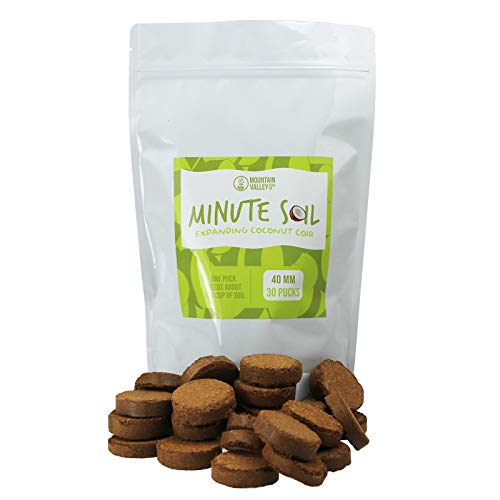
Minute Soil Discs are compact coconut coir fibers that rehydrate with water to create a ready-to-use growing medium. Each 40 mm disc expands up to 15 times its dry size, yielding about 3/4 cup of soil per disc. A full bag rehydrates to approximately 5.5 quarts of soil, making it a space-efficient option for seed starts, including wheatgrass. The discs are OMRI-listed for organic production and are peat-free. Easy to store and clean, these discs minimize mess while providing a clean, airy substrate ideal for fast germination and even root development. Use as a base layer or as individual starter pods for small trays.
Key considerations for wheatgrass: coco coir provides good aeration and moisture retention, but it may require supplemental nutrients depending on your fertilization strategy. These discs are best paired with a light, mineral-based feed or unsupplemented watering for seedlings that are harvested within 7–10 days.
Minute Soil Bricks: Large-Volume Coco Coir
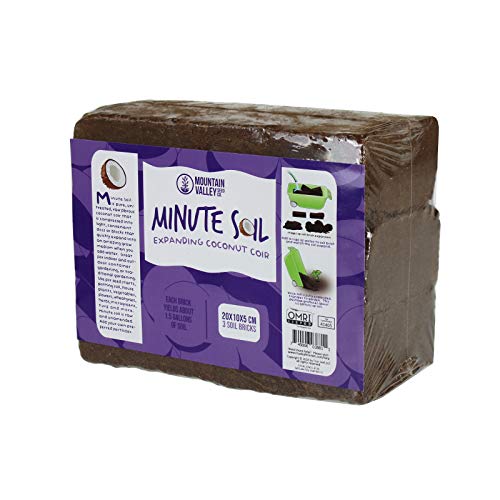
Minute Soil Bricks offer a convenient, peat-free option that expands dramatically when hydrated. Each brick expands to about 1.5 gallons of soil, and three bricks yield roughly 4.5 gallons. This medium is pure coconut coir, untreated and raw, with no added fertilizers. It is OMRI-listed, making it suitable for organic gardens. The bricks form a clean, reusable grow medium that is easy to measure and batch, which can be advantageous for wheatgrass trays where even moisture distribution matters.
Use guidance for wheatgrass: rehydrate bricks with about 10 cups of water per brick, mix thoroughly, and spread evenly in a tray. Maintain consistent moisture to support rapid germination and a dense sward of grass in 7–10 days. Consider supplementing with a light mineral mix if growing on longer cycles or wanting higher yield per harvest.
Doter Organic Potting Soil: Indoor Plant Basis

Doter Organic Potting Soil is designed for indoor growing, including cat grass, herbs, and wheatgrass. This soil emphasizes aeration and moisture balance, with coconut coir-based structure and organic quality control. The discs-style product lines in the same brand family simplify water-based expansion as you hydrate, while this soil blend offers a reliable, ready-to-use medium for seed starting and transplanting.
Wheatgrass-specific considerations: Doter’s mix supports healthy root development and helps prevent compaction in shallow trays. It’s a solid base when you want a predictable growth cycle with straightforward hydration steps and minimal mess. As with any organic soil, monitor for signs of overwatering or nutrient depletion and adjust watering frequency accordingly.
FoxFarm Ocean Forest Potting Soil

FoxFarm Ocean Forest is a premium, moisture-retentive potting soil designed to support a wide range of container plants. Its blend includes aged forest products, sphagnum peat moss, earthworm castings, bat guano, and fish emulsion, providing a balanced nutrient profile and improved water retention. For wheatgrass, this soil offers a forgiving medium with steady moisture and robust germination support, reducing the frequency of watering in between harvests. It is pH-adjusted to aid nutrient uptake across plant varieties.
Consideration notes: while Ocean Forest is rich in nutrients, some growers may prefer lighter, less fertilized media for young wheatgrass to avoid overgrowth or taste differences. If using this mix, monitor for rapid early growth and adjust watering or light exposure to maintain a uniform blade texture.
Scotts Organic Top Soil: Level & Prepare

Scotts Organic Top Soil is a lighter blend designed for leveling and filling holes, providing a stable base for your growing tray. While not a traditional potting soil, it can act as a bedding layer or top-dressing to improve soil structure and moisture handling for wheatgrass. This option is especially useful when you want to improve the surface texture of a tray, reduce clumping, and create an even seed bed for uniform sprouting.
Practical usage notes: for wheatgrass, combine with a lighter, moisture-retentive layer to prevent surface crusting. If used as the primary medium, ensure adequate aeration and consider adding a small amount of organic compost or a balanced micronutrient mix to support rapid seedling growth while avoiding nutrient burn.
Buying Guide: What To Look For In Wheatgrass Soil
- Moisture retention vs. drainage: Wheatgrass thrives in a medium that holds enough moisture for rapid germination but drains well to prevent waterlogging. Coco coir blends generally deliver good balance, while peat-free options reduce compaction risk.
- Texture and aeration: Fine, airy substrates promote even root growth and fast sprouting. Look for products promoting good air porosity and consistent hydration across the tray.
- Nutrient level and fertilizer strategy: Some soils include added nutrients; for wheatgrass, many growers prefer a light, mineral-based feed or water-only regimen to avoid excessive leaf growth at the expense of blade density.
- EDUCT and organic certification: OMRI-listed media are favorable for organic growers. Ensure compatibility with your local regulations and crop plans if you seek certified organic outputs.
- Volume and usability: Hydroponic-friendly discs and bricks offer space-saving advantages for home setups. Consider storage, rehydration time, and ease of handling when choosing between discs, bricks, or traditional bags.
- Care with additives: Avoid overly heavy fertilizers or soil amendments that can cause root burn or taste changes. For beginners, a simple water-only approach can yield consistent growth in wheatgrass trays.
- Tray compatibility: Some media work better in shallow trays or seed-start flats. Check tray depth and the intended crop cycle length to select the best match.
- Cost and recycling: Reusable media or media that expands into large volumes may reduce waste and long-term costs. Consider disposal or composting options after harvest seasons.
When selecting soil for wheatgrass, balance convenience, organic considerations, and the desired harvest cadence. Coconut coir-based discs or bricks provide rapid setup and tidy maintenance, while traditional top soils or multi-component potting blends offer reliability and broad plant compatibility. A blended approach—starting with a light coconut coir base, followed by a gentle top-dress or nutrient-aware regime—often yields consistent, lush wheatgrass for juicing or microgreens production.
Leave a Reply