Best Vegan Protein Powder: Top Picks for Every Need
If you’re choosing a vegan protein powder, you want a clean, plant-based formula that fits your goals. This guide highlights five top options that balance protein quality, fiber, and taste. Best for athletes may prefer higher protein per serving; best for gut health includes prebiotic fiber or probiotics; best for clean labels avoids artificial ingredients. The picks below are suited for shakes, smoothies, and recipes, with clear reasons to help you decide quickly.
Summary of selected products:
- Orgain Organic Vegan Protein Powder, Vanilla Bean (2.03 lb) — clean ingredients, 21g protein, 6g prebiotic fiber
- Orgain Organic Vegan Protein Powder, Creamy Chocolate Fudge (2.03 lb) — similar profile, chocolate flavor
- EarthChimp Organic Vegan Protein Powder with Probiotics (32 oz, Vanilla) — plant protein plus probiotics
- Truvani Organic Plant Based Protein Powder, Vanilla — clean label, no additives
- Vega Essential Protein (32.5 oz, Rich Chocolate) — larger tub, 25g pea protein per serving
Orgain Organic Vegan Protein Powder, Vanilla Bean
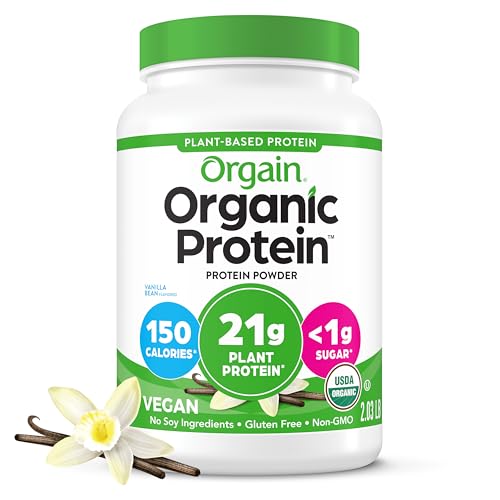
Best for: Shakes and smoothies with a clean ingredient list and gut-supporting fiber. The powder blends 21g of plant protein from peas, brown rice, and chia with 6g of prebiotic fiber per serving, while avoiding lactose, dairy, soy, and artificial additives.
Why selected: It uses USDA Organic and Certified Plant-Based standards with non-GMO ingredients and no carrageenan or added sugars. This makes it suitable for readers prioritizing clean labels and vegan sourcing.
Caution: Some users may notice a mild natural sweetness; adjust with unsweetened toppings if needed.
Orgain Organic Vegan Protein Powder, Creamy Chocolate Fudge

Best for: Those who want a chocolate-flavored vegan protein with a similar clean profile as Vanilla Bean. It provides 21g of plant protein and 6g prebiotic fiber with low net carbs and no lactose.
Why selected: The product emphasizes high standards—vegan, gluten-free, kosher, non-GMO, soy-free, and without artificial additives. It’s a strong “best for chocolate lovers” option in the vegan range.
Caution: Chocolate flavor can be sweeter; consider pairing with unsweetened cocoa or spices if you prefer a milder taste.
EarthChimp Organic Vegan Protein Powder with Probiotics
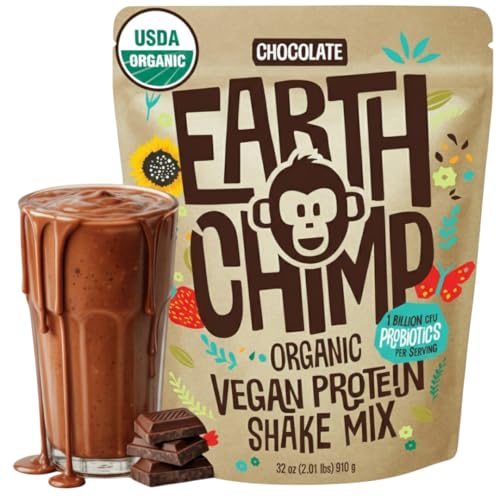
Best for: Shakes and meals that benefit from added probiotics and a dairy-free profile. This powder delivers 20g of plant protein per serving plus probiotics, with no added sugar or artificial ingredients.
Why selected: It comes from a small brand focused on organic, vegan protein with a balanced taste. The vanilla version blends well in both smoothies and recipes that benefit from probiotic support.
Caution: The texture may be a touch grainy for some textures; blending longer or using a blender bottle helps integrate it smoothly.
Truvani Organic Plant Based Protein Powder, Vanilla

Best for: Clean-label enthusiasts and those avoiding common allergens. Truvani emphasizes premium ingredients with no additives, fillers, or soy and gluten.
Why selected: The vanilla formula relies on organic pea and pumpkin seed proteins, providing a simple, transparent ingredient list and 20g of protein per serving, which is ideal for keto or vegan goals.
Caution: Some users may detect a stronger natural flavor; those seeking sweeter profiles may prefer flavored options from other brands.
Vega Essential Protein – Rich Chocolate

Best for: Fans of a larger tub with a 25g pea protein per serving and a versatile mix-in for smoothies and baking. Vega targets active lifestyles and dairy-free needs.
Why selected: The product focuses on clean, dairy-free protein suitable for smoothies, baking, and on-the-go meals, with a balance of taste and nutrition for busy days.
Caution: Some flavors lean sweeter; consider unsweetened or plain bases if you prefer less sweetness in your mix.
Buying Guide
Key purchase considerations to compare vegan protein powders:
- Protein source and amount per serving: Prefer blends with complete amino acids and around 20–25g protein per serving for adults with active or muscle-building goals.
- Fiber and prebiotics: Extras like 4–6g prebiotic fiber can support gut health and digestion.
- Allergen and additive profile: Look for dairy-free, soy-free, non-GMO, gluten-free options with no artificial colors or sweeteners.
- Certification and sourcing: USDA Organic or similar certifications indicate stringent ingredient standards; plant-based certification can help with label trust.
- Taste and mixability: Flavor choices (vanilla, chocolate, unflavored) affect daily use; consider how well it blends in shakes or recipes.
- Texture and mouthfeel: Some blends are creamier; others can be gritty. Probiotics or additional ingredients may impact texture.
Frequently Asked Questions
- What should I look for in a vegan protein powder?
Focus on protein amount per serving, complete amino acid profile, clean ingredients, and certifications like USDA Organic or Non-GMO.
- Is vegan protein enough for muscle gain?
Yes, if you consume sufficient protein (around 20–25g per serving) and meet daily protein goals through meals and snacks.
- Are probiotics in protein powders beneficial?
Probiotics can support gut health, but individual results vary; they are an added benefit rather than a requirement.
- Should I choose flavored or unflavored protein?
Flavored options improve daily use, while unflavored blends offer flexibility for baking and savory recipes.
- Can vegan protein powders cause digestive issues?
Some people may experience bloating with certain blends; start with a half serving to assess tolerance.
- What about sugar content in vegan protein?
Many top options contain little to no added sugar; check labels for sugar alcohols and total carbs if you’re monitoring intake.
Leave a Reply