Best Raw Seeds and Nuts for Healthy Snacking and Cooking
If you’re searching for raw, oil-free, and unseasoned seeds and nuts, these five options offer clean flavors and versatile uses. They’re well-suited for snacking, baking, meal prep, and topping dishes. The top picks cater to different buyer needs—from raw nut blends for everyday nibbling to sprouted pumpkin seeds for nutrient-dense snacks and high-protein seeds for on-the-go energy.
Summary of chosen products:
| Product | Key Benefit | Best For |
|---|---|---|
| Yupik Raw Mixed Nuts | Raw, no oil or salt | Nut lovers who want a simple, versatile snack |
| Sunbest Natural Organic Super Seeds Mix | Five-seed blend, plant-based protein | Trail mix, smoothies, salads |
| 365 by Whole Foods Organic Pumpkin Seeds | Unroasted, unsalted pumpkin seeds | Pure pumpkin seed flavor for snacking and baking |
| NOW Foods Sunflower Seeds | Hulled, fiber and vitamin E source | Raw, easy-to-digest seed snack |
| Go Raw Organic Sprouted Pumpkin Seeds | Sprouted for bioavailability, sea salt | On-the-go protein and minerals |
Yupik Raw Mixed Nuts

Brand: Yupik. Features include a combination of almonds, walnuts, pistachios, cashews, and Brazil nuts with no added oil or salt. The mix is described as deliciously raw and suitable for snacking, cooking, baking, or topping foods like cereal or salads.
Best for: Nut enthusiasts seeking a simple, ready-for-snacking raw blend without additives. Choose this if you want a versatile pantry staple for various dishes without extra seasonings.
Caution: Some buyers may prefer unsalted options, as this product has no added salt by default. Consider portion control if snacking is a primary goal.
Sunbest Natural Organic Super Seeds Mix

Brand: SUNBEST NATURAL. Features include a five-seed mix with pumpkin seeds, sunflower seeds, chia seeds, flax seeds, and hemp seeds. The blend is described as nutrient-rich, with plant-based protein and fiber, suitable for salads, snacks, and baking. Each serving is noted for omega-3s and 8g of plant-based protein.
Best for: Those who want a high-fiber, protein-rich seed mix to add to yogurts, smoothies, salads, and baked goods. Choose this if you’re seeking a convenient way to boost daily plant-based protein and fiber.
Caution: While convenient, blends with multiple seeds can have stronger textures; start with small portions if you are new to seeds in your meals.
365 by Whole Foods Organic Pumpkin Seeds

Brand: 365 by Whole Foods Market. Features include an 8-ounce bag of organic pumpkin seeds that are unroasted and unsalted, ideal for snacking and baking. The product emphasizes pure pumpkin seed flavor without added oils or salt.
Best for: Buyers who want a clean, organic pumpkin seed option with simple ingredients. Choose this if you prefer a straightforward, minimally processed seed for savory or sweet recipes.
Caution: Unroasted and unsalted seeds have a milder flavor; some users may miss salt for seasoning during cooking.
NOW Foods Sunflower Seeds

Brand: NOW. Features include raw, hulled sunflower seeds described as a good source of fiber and vitamin E, grown in the USA. The hulled seeds offer a smooth texture and easy chewing, suitable for snacking and culinary uses.
Best for: Those seeking a readily edible, fiber-rich seed with vitamin E and a neutral flavor. Choose this if you want a versatile seed that blends well with recipes or can be eaten by itself.
Caution: Some consumers may prefer salted varieties for flavor; this option is hulled and may taste milder for some palates.
Go Raw Organic Sprouted Pumpkin Seeds
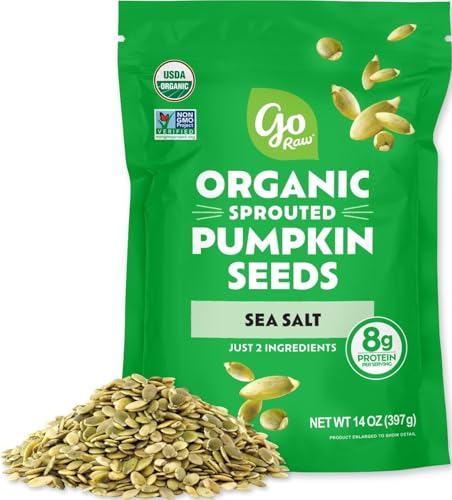
Brand: go Raw. Features include organic sprouted pumpkin seeds seasoned with sea salt. The product claims 8g of plant-based protein per serving, is non-GMO, gluten-free, nut-free, and suitable for keto, paleo, and vegan diets. Sprouted processing aims to enhance nutrient availability.
Best for: On-the-go protein and mineral boost with a crunchy texture. Choose this if you want a sprouted, minimally processed seed that travels well and supports energy needs.
Caution: Contains sea salt; if avoiding sodium, consider unsalted sprouted options.
Buying Guide
What should you consider when choosing raw seeds and nuts?
- Ingredient purity: Look for products labeled raw, unroasted, unsalted, and free from added oils or salt if you prefer a natural flavor.
- Seed and nut variety: A mix can offer a broader nutrient profile, while single-ingredient options highlight a specific flavor and texture.
- Protein and fiber content: If you’re focusing on protein or fiber, check the nutrition panel or serving suggestions in the features.
- Allergen and dietary needs: Some products are nut-free or seed-based; verify labels if you have allergies or follow vegan, gluten-free, or kosher diets.
- Usage ideas: Seeds are great in smoothies, yogurt, salads, baking, and cereals. Nuts are versatile for snacking and cooking.
- Storage considerations: Keep seeds and nuts in a cool, dry place or refrigerate to maximize freshness and shelf life.
Frequently Asked Questions
- What is the difference between raw and roasted nuts?
- Are sprouted seeds more nutritious?
- Can these seeds and nuts replace meals?
- Which seed mix is best for baking?
- Do these products contain added sugar or salt?
- Are these products suitable for vegan diets?
Raw nuts are not heat-treated, preserving natural oils and flavors. Roasted nuts are heated, which can enhance taste but may reduce delicate nutrients.
Sprouted seeds can have increased bioavailability and different texture, though exact nutrient gains vary by seed type.
While they are nutrient-dense, seeds and nuts should supplement meals rather than replace balanced meals, due to calorie density.
Seed mixes with a range of textures (e.g., pumpkin, chia, flax) can add crunch and nutrition to breads, muffins, and granola.
Most listings emphasize raw, unsalted options, but always check the label for any added ingredients.
Yes, many options are vegan and plant-based; verify the labeling for each product to ensure no non-vegan additives.
Leave a Reply