Best Natural Fruit Energy Drinks for Clean, Lasting Focus
Answers for buyers seeking natural fruit energy drinks that deliver steady energy without artificial fillers. This guide highlights five top options and identifies who benefits most from each choice. It also provides a quick product comparison and practical buying considerations for a clear decision.
| Product | Flavor/Variant | Best For | Notes |
|---|---|---|---|
| V8 +Energy Passionfruit Orange Guava | Passionfruit Orange Guava | Fruit-and-vegetable juice lovers seeking a caffeine kick | 80 mg caffeine; tea-driven energy |
| V8 +Energy Pomegranate Blueberry | Pomegranate Blueberry | Those who want a berry-forward juice with natural energy | 80 mg caffeine; tea-driven energy |
| Protocol Organic Energy Drink | Citrus flavor | Clean label seekers; organic, no artificial ingredients | 130 mg caffeine from guayusa; no sugar |
| Frujava Sunrise Strawberry Lemonade | Strawberry Lemonade | Organic energy with fiber support | 80 mg caffeine; 3 g prebiotic fiber |
| Yesly Tropical Punch | Tropical Punch | Electrolyte-fueled, naturally caffeinated refreshment | 114 mg caffeine; stevia-sweetened |
V8 +Energy Passionfruit Orange Guava Juice Energy Drink

Best for fruit-juice enthusiasts who also want a caffeine boost from tea. This V8 +Energy blends passionfruit, orange, and guava with black and green tea for a natural energy lift. Each 8 fl oz can is a single serving of vegetables and fruit with 80 mg caffeine, providing a practical option for mid-morning or afternoon energy without added sugar or artificial ingredients. The combination is especially suitable for anyone who enjoys a juice-forward flavor profile with a familiar caffeine source.
Who it’s best for: active adults who prefer a juice-based energy drink that doubles as a fruit-and-vegetable intake during a busy day. Caution: intakes of 80 mg caffeine per can may be significant for those sensitive to caffeine or consuming multiple beverages.
V8 +Energy Pomegranate Blueberry Juice Energy Drink

Best for those who want a berry-forward juice with energy from tea. This flavor pairs pomegranate and blueberry with a veggie-juice blend, delivering 80 mg caffeine per 8 oz can from black and green tea. It’s a practical choice for a fruity, calorie-conscious lift that fits into a light, on-the-go routine.
Who it’s best for: individuals seeking a fruit-heavy drink with a familiar berry taste and a moderate caffeine dose. Limitation: flavor intensity may be milder for caffeine-sensitive shoppers seeking a stronger kick.
Organic Energy Drink With L-Theanine (Protocol)

Best for clean-label enthusiasts who want calm, focused energy. Protocol uses 130 mg of natural caffeine from organic guayusa, paired with organic L-theanine for smoother mental clarity. It contains no artificial sweeteners or added sugars, relying on real organic juice for sweetness and flavor. Slight cloudiness comes from real fruit juice content, not artificial coloring.
Who it’s best for: readers who value organic ingredients and a smoother energy profile. Limitation: the higher caffeine amount may require mindful consumption for caffeine-sensitive buyers.
Frujava Organic Sunrise Strawberry Lemonade
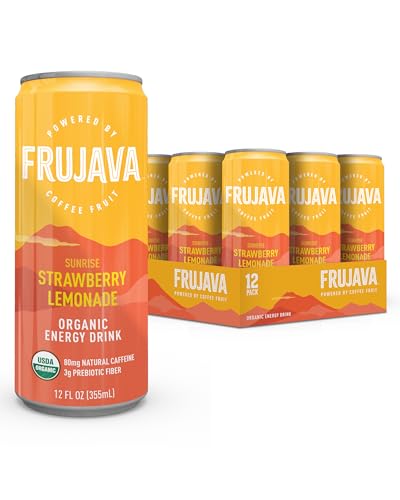
Best for organic, low-calorie energy with gut-friendly fiber. Frujava delivers 80 mg natural caffeine from coffee fruit, with 3 g of prebiotic fiber per can. This combination supports energy while supporting digestive health. The product structure emphasizes organic certification and a clean ingredient list.
Who it’s best for: hikers, commuters, or desk workers seeking steady energy plus prebiotic fiber. Limitation: fiber content may not suit those avoiding prebiotics or dairy-free concerns depending on the batch.
Yesly Tropical Punch Energy Drink
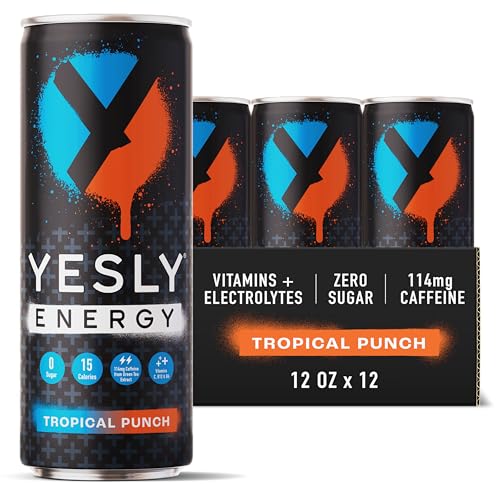
Best for a tropical-flavored, lightly sparkling energy boost with electrolytes. Yesly Tropical Punch combines natural caffeine from green tea with electrolytes and essential vitamins. It uses Stevia for sweetness and avoids artificial sweeteners, delivering a balanced taste and a 114 mg caffeine level per can. Flavor notes emphasize a fruity, refreshing profile without heaviness.
Who it’s best for: individuals who want a fruity, refreshing drink with a measured caffeine dose and electrolyte support. Limitation: natural sweetness may still be noticeable to those highly sensitive to stevia.
Buying Guide
What should you consider when choosing a natural fruit energy drink?
- Caffeine source and amount: Do you prefer tea-based caffeine or coffee-fruit caffeine? Check mg per serving and consider your sensitivity.
- Ingredients: Are you seeking organic, non-GMO, no artificial sweeteners, or zero sugar? Look for real fruit juice content and clean labels.
- Calorie and sugar profile: Do you want a zero-calorie option or a drink with natural sugars and fiber?
- Functional add-ins: Are electrolytes, prebiotic fiber, or L-theanine important for your routine?
- Flavor and texture: Do you want fruit-forward juice flavors, sparkling beverages, or a cloudy juice profile from real juice?
- Portability and packaging: Consider can size, packaging stability, and whether you’ll consume on the go or at home.
Frequently Asked Questions
- What makes a fruit energy drink “natural”?
Answer: It uses ingredients such as real fruit juice, natural caffeine sources (tea, guayusa, or coffee fruit), and minimal artificial additives or zero artificial sweeteners. - How much caffeine is typical in these drinks?
Answer: Most options range from about 80 mg to 130 mg per can, with some products offering higher or lower amounts depending on the formula. - Are these drinks suitable for daily use?
Answer: Yes, for many adults, but consider total daily caffeine intake and any sensitivity. Start with a smaller amount if new to caffeine. - Do they contain sugar?
Answer: Some offer zero sugar with natural sweeteners like Stevia, while others use natural fruit juices that contain natural sugars; always check the label for specifics. - Which option is best for sustained energy without a crash?
Answer: Drinks with L-theanine or other calm-energy blends (like Protocol) and those with real fruit juice may provide steadier energy and smoother focus than heavily processed varieties. - Can these drinks replace meals or water?
Answer: They should not replace meals or daily water intake. Use them as a supplement to a balanced diet and hydration plan.
Leave a Reply