Best Budget Non Vintage Champagnes for Everyday Occasions
Find affordable, non-vintage champagnes that still deliver on flavor and festivity. This guide highlights five value-focused options that suit different buyers—from brunch hosts to party planners. Each selection is best for a specific scenario, whether you want easy brunch champagne, a crowd-pleasing aperitif, or a portable mini bottle for celebrations on the go. The table below compares the highlighted products at a glance to help you decide quickly.
| Product | Best For | Notable Notes |
|---|---|---|
| Cook’s California Champagne Extra Dry White Sparkling Wine | Brunch gatherings | Semi-dry with apple, pear, citrus notes |
| Taittinger Lafrancaise Brut Champagne | Special occasions on a budget | Elegant, Chardonnay-forward |
| Cupcake Vineyards Prosecco | Light, festive toasts | Italian Prosecco, widely approachable |
| Mionetto Brut Prosecco | Everyday celebrations | Treviso region, apple notes |
| Barefoot Bubbly Brut Cuvee Champagne | Party favors or gifts | Mini bottles, vibrant character |
Note: All products listed are non-vintage sparklers that emphasize approachability, versatility, and lower price points. Each entry includes who it’s best for and why it was selected, along with a practical caution to help you choose confidently.
Cook’s California Champagne Extra Dry White Sparkling Wine

Brand: Cook’s. This 750ml bottle delivers a semi-dry profile with lively bubbles and notes of apple, pear, and citrus. It’s a solid option for brunch cocktails or as a affordable sparkling to keep on hand for casual entertaining. Best for buyers seeking an easy-drinking, widely palatable option that won’t break the bank.
Who it’s best for: Hosts who want a reliable, crowd-friendly sparkler for brunch or daytime gatherings. Why selected: budget-friendly, approachable flavor profile, and flexible use in cocktails like mimosas. Caution: the semi-dry style may be sweeter than some sparklers, which could be less ideal for guests who prefer a brut finish.
Taittinger Lafrancaise Brut Champagne

Brand: Taittinger. This Brut La Française selection uses a higher proportion of Chardonnay for elegance and freshness, aged on the lees longer than required by law. A refined choice that suits celebratory toasts without paying premium vintage prices. Best for: those seeking a Chardonnay-forward champagne with maturity and a light, crisp finish.
Why selected: balanced profile, accessible price point, and a touch of aging complexity compared to typical non-vintage brut. Caution: may skew slightly drier and lighter in body than richer blends, which might not suit guests who prefer stronger mouthfeel.
Cupcake Vineyards Prosecco

Brand: Cupcake Vineyards. This Prosecco from Italy is an approachable sparkling option with a note of sophistication and a broad appeal. It carries a Platinum Sommelier Challenge recognition (NV) and is commonly chosen for its bright, fresh character that pairs well with lighter dishes and appetizers. Best for: casual celebrations, brunches, and gatherings where a cheerful, easy-to-drink sparkler is desired.
Why selected: widely available, versatile with foods, and generally well-received by a broad audience. Caution: award mentions may reflect vintage-era recognition rather than current vintage specifics, so expect consistent flavor rather than a guaranteed novelty.
Mionetto Brut Prosecco

Brand: MIONETTO. This Prosecco from Treviso, a region with a history of producing quality Prosecco, offers a luminous straw-yellow hue and a bouquet redolent of Golden Delicious apple. Best for: everyday celebrations and lighter, fruit-forward pairings. Why selected: regional authenticity and a flavor profile that remains approachable for a wide audience.
Caution: as with many mass-market Proseccos, the sparkle and fruitiness are front-and-center; expect a lighter, more delicate mouthfeel compared with fuller-bodied champagnes.
Barefoot Bubbly Brut Cuvee Champagne
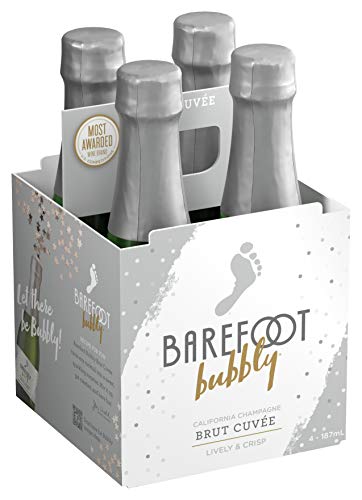
Brand: Barefoot. This four-pack of 187 ml mini bottles offers portability and convenience for events, gifting, or on-the-go celebrations. Best for: travelers, casual gatherings, and situations where smaller portions are preferred. Why selected: compact format and vibrant fruit-forward notes of green apple, peach, and kiwi make it easy to share without overindulgence.
Caution: mini bottles can be less economical per ounce and may deliver a lighter bouquet; best used for tastings or as party favors rather than primary wine service.
Chandon Brut
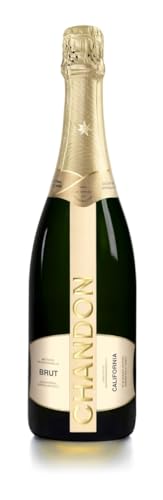
Brand: Chandon. Sonoma County sparkler that embodies classic California style with flavors of apple, pear, citrus, and a hint of spice, leading to a soft, dry finish. Best for: crowd-pleasing options at dinners or receptions where a balanced, familiar profile is valued. Why selected: established California producer with a consistently accessible Brut that complements a wide range of foods.
Caution: flavor profile leans toward a traditional brut; those seeking bolder fruit or richer complexity may prefer other entries on this list.
Moet & Chandon Imperial Brut

Brand: MOËT & CHANDON. An iconic champagne that can be served throughout a meal, from aperitif to dessert. It pairs with sushi, seafood, white meats, and white fruits, delivering a bright fruitiness and seductive palate. Best for: events that require a recognizable brand with broad appeal and a reliable Brut profile. Why selected: widely familiar, versatile, and celebratory in character. Caution: as a non-vintage, it may not deliver the same depth as higher-end vintages for those seeking a more premium experience.
De Chanceny Cremant de Loire Brut

Brand: DE CHANCENY. Originating in the Loire Valley, this Crémant de Loire Brut blends hand-harvested Chardonnay, Chenin, and Cabernet Franc grapes, following the traditional method and aged on the lees for more than 12 months. Best for: French-style sparkling at a lower price point, ideal for tastings or dinner pairings that favor elegance. Why selected: distinct regional alternative to Champagne with a similar celebratory profile. Caution: not a Champagne, so some purists may prefer true Champagne for pairing with certain dishes or occasions.
Buying Guide: Key Purchase Considerations
- Flavor profile: Decide between Brut (dry) and Extra Dry (slightly sweeter) to match your menu or guest preferences.
- Origin and style: Non-vintage sparkling wines from Prosecco and Crémant offer different flavor landscapes than Champagne; choose based on the occasion and price target.
- Packaging needs: Mini bottles are convenient for gifting and travel, while 750ml bottles suit standard toasting needs.
- Food pairings: Light seafood, fruit, and light cheeses pair well with Brut styles; sweeter options go with fruit-forward appetizers.
- Budget and availability: Value-focused sparklers provide reliable quality at lower price points, but availability can vary by region and season.
- Serving temperature: Sparkling wines typically shine when served cold, around 40-45°F (4-7°C).
Frequently Asked Questions
- What is the difference between Brut and Extra Dry?
– Brut is drier with less sugar, while Extra Dry is slightly sweeter and more approachable for some palettes. - Are Prosecco and Champagne the same?
– No. Prosecco is from Italy and uses the Charmat method, while Champagne is from France and is typically methode traditionelle. - Is non-vintage Champagne suitable for everyday use?
– Yes, non-vintage Champagnes are designed for consistent, approachable flavor suitable for regular toasts and casual gatherings. - Which bottle is best for brunch cocktails?
– A semi-dry or Brut sparkling like Cook’s or similar options works well with citrus and fruit flavors in mimosas or Bellinis. - Should I choose a mini bottle set or a standard bottle for parties?
– Mini bottles are great for progressive tastings or gifts; standard bottles are better for single-service toasts and larger gatherings. - Can Crémant be a good alternative to Champagne?
– Yes, Crémant from France offers comparable sparkling profiles at often lower prices, with its own regional character.
Leave a Reply