Best Tea for Stress Relief: Calm Focus and Mindful Relaxation
Answering the search for stress-relief tea, this guide highlights practical options that blend adaptogens, calming herbs, and soothing flavors. These teas are best for adults seeking daily support, afternoon calm, or a gentle bedtime unwind. The top picks favor traditional herbal blends, gentle caffeine-free varieties, and travel-friendly formats. Whether you want focused calm during a busy workday or a relaxing evening ritual, these teas offer straightforward ingredients and clear purpose. Below is a quick summary of five strong choices, followed by detailed sections and a practical buying guide.
| Product | Best For | Key Benefit |
|---|---|---|
| Traditional Medicinals Stress Ease Calm | Evening unwind, mild stress relief | Ashwagandha and nervines for balance |
| Traditional Medicinals Stress Ease Focus | Daily energy with reduced stress | Ginseng and eleuthero for steady focus |
| Yogi Kava Stress Relief | Calming ritual, spa-like comfort | Kava and warming spices for body-mind calm |
| TAZO Stress Unwind Blueberry Lavender Lemon Balm | Flavorful relaxation | Blueberry-lavender notes with lemon balm |
| Yogi Immune Stress Elderberry Lemon Balm | Immune-friendly stress relief | Elderberry with lemon balm and ashwagandha |
Traditional Medicinals Organic Stress Ease Calm

Best for: adults seeking a soothing, caffeine-free option to unwind after a busy day. This herbal blend emphasizes adaptogens and nervines to support a balanced mood and occasional stress. The aroma is floral and mildly sweet, making it approachable for tea newcomers and regular readers alike.
Why selected: The combination of ashwagandha and calming nervines like Shatavari aligns with common stress-management goals. It’s designed to be a gentle, daily ritual that helps you feel at ease without a heavy aftertaste. This is a good pick for those who want a traditional, comforting tea routine at night or during low-energy moments.
Limitations: As with many herbal blends, individual responses vary. Consider starting with a cup in the early evening to gauge reaction and avoid potential sleep disruption if sensitive to adaptogens.
Traditional Medicinals Organic Stress Ease Focus

Best for: daytime use when you want steady energy with stress relief without jitters. This version centers on ginseng and eleuthero to support mindful alertness while dampening occasional stress.
Why selected: The bright, minty notes combined with ginseng help “sharpen the mind” while keeping stress under control, making it a practical choice for work or study sessions. It’s well-suited for those who want a mentally clear, calm focus rather than a sleepy unwind.
Limitations: Some individuals may find ginseng effects too stimulating in very sensitive periods; those seeking a strictly caffeine-free option may prefer other blends as a base.
Yogi Tea Kava Stress Relief
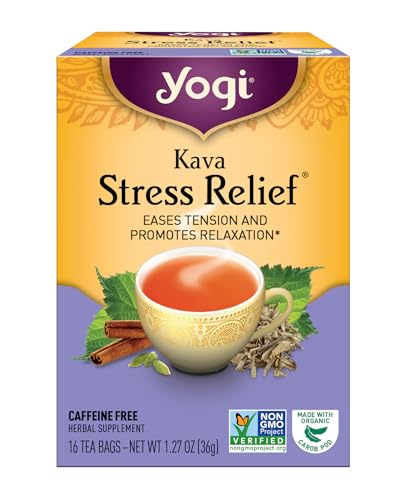
Best for: those seeking a warm, spicy-sweet evening tea with a traditional calming effect. The blend centers on kava and comforting spices for relaxation and tranquility.
Why selected: Kava has a long history of use for nervous tension, and pairing it with cinnamon and root notes creates a familiar, soothing cup. This tea is an ideal pick for winding down before bed or a quiet moment after a stressful day.
Limitations: Kava-containing blends may not be suitable for everyone due to potential interactions or personal sensitivity. Check with a healthcare professional if you’re taking other medications or have liver concerns.
Yogi Relaxation And Stress Relief Variety Pack

Best for: readers who want a versatile set of relaxing teas to vary flavors while focusing on stress relief. The trio includes blends designed to support relaxation and soften tension.
Why selected: Variety packs offer a spectrum of ingredients—Ayurvedic botanicals, calming herbs, and mindful flavor profiles—allowing experimentation to find the most effective routine. They’re a practical option for households with multiple preferences.
Limitations: With multiple blends, you may need to rotate selections to avoid flavor fatigue and to discover which blend most consistently supports your mood.
TAZO Stress Unwind Blueberry Lavender Lemon Balm

Best for: flavor-forward relaxation with a refreshing finish. This blend combines lemon balm with blueberry and lavender for a soothing, aromatic cup that helps ease the day’s tension.
Why selected: A balanced combination of calming herbs and fruity notes makes this tea approachable for daily unwinding, especially when you want a comforting treat that also supports calm mental states.
Caution: Flavor-forward blends may appeal more to taste preferences; if you need a pure, mild tea, consider a simpler chamomile-based option.
Yogi Tea Immune Stress Elderberry Lemon Balm

Best for: adults seeking a citrusy, uplifting flavor that pairs immune support with stress relief. Elderberry and lemon balm provide a bright, zesty profile.
Why selected: The combination of elderberry for immune health with lemon balm and ashwagandha aligns with common wellness goals, offering a balanced approach to daily stress management and immune resilience.
Limitation: Expect a more pronounced fruit flavor; if you prefer pure herbal tones, choose a more understated blend like chamomile or lavender-focused teas.
Organic Calming & Stress Relief Tea

Best for: individuals who prefer a robust herbal blend with multiple calming ingredients. This tea emphasizes lemon balm combined with chamomile and adaptogenic ashwagandha for daily stress support.
Why selected: The blend’s emphasis on lemon balm for soothing properties, along with skullcap and cinnamon hints, offers a dependable mid-day or evening option to settle the mind and maintain focus without caffeine.
Limitation: The breadth of ingredients may not suit those who want a single-herb simplest option; review ingredient sensitivity if you have allergies or sensitivities to botanicals.
Buying Guide: How to Choose a Stress-Relief Tea
- Flavor profile and caffeine: If you want a morning lift, consider a gently uplifting blend with light caffeine. For evening unwinding, prioritize caffeine-free options based on chamomile, lavender, lemon balm, or kava.
- Active ingredients: Look for adaptogens like ashwagandha, ginseng, or eleuthero, and nervines such as chamomile and lavender. These have different intended effects on mood, focus, and relaxation.
- Flavor variety: If you dislike overly floral or fruity notes, start with straightforward herbal blends like chamomile or lemon balm. If you enjoy complex flavors, fruity and spice-forward blends may suit daily rituals.
- Brand reliability: Choose brands with clear ingredient lists and organic options if possible. Consistency in sourcing helps with taste and perceived effectiveness.
- Usage occasions: Map each tea to a specific routine—afternoon calm, post-work wind-down, or bedtime ritual—to maximize consistency and perceived stress relief.
FAQ
- Can stress-relief teas replace medical treatment? These teas are intended for mood support and relaxation and should not replace medical advice for chronic anxiety or stress-related conditions.
- Are these teas safe for daily use? Most are caffeine-free or low-caffeine herbal blends designed for daily use, but check labels for any specific cautions or interactions with medications.
- What if I’m sensitive to adaptogens? Start with blends that minimize adaptogens, or consult a healthcare professional before regular use of ashwagandha, ginseng, or similar herbs.
- Which tea is best for sleep? Teas featuring chamomile, lavender, lemon balm, and skullcap are commonly used for bedtime routines due to their calming properties.
- Do these teas contain artificial flavors? Reputable brands emphasize natural flavors; always review the ingredient list if you have sensitivities.
Leave a Reply