Best Dry Smooth Red Wine for Easy Drinking and Rich Flavor
Finding a dry, smooth red wine that suits everyday sipping or pairing with meals is easier when you compare styles. This guide highlights five drier, balanced options that appeal to different tastes—from fruit-forward blends to classic Italian and French varietals. Best for hosts and wine lovers who want versatility without heaviness, each pick offers distinct characteristics. Use the quick-reference table below to compare core notes, best uses, and who each product suits.
| Product | Style Notes | Best For |
|---|---|---|
| Apothic Crush Smooth Red | Medium body, velvety finish; berry-forward with caramel and chocolate notes | Pairs with casual dinners and chocolate desserts |
| Oddbird GSM Non Alcoholic Red | De-alcoholized, layered Grenache/Syrah/Mourvèdre & Carignan; vegan & gluten-free | Non-alcoholic option for mindful drinkers |
| Yellow Tail Merlot | Soft plums and spice; easy, medium-bodied with vanilla and blackberry | Introductory red wine for new drinkers |
| Cavaliere D Oro Chianti Sangiovese | Dry with fresh notes, soft tannins; red berries and violet floral hints | Classic Italian pairing with roasted meats |
| Chalk Hill Pinot Noir | Fruit-forward, bright cherry flavors; velvety tannins; oak undertones | Sophisticated pairing with salmon, poultry, or mushroom dishes |
The selections below are organized to help you pick a dry, smooth red wine based on your situation—whether you want an alcohol-free option, a versatile everyday bottle, or a wine to impress at a dinner party. Each product section explains who it’s best for, why it stands out, and one practical caveat to consider.
Apothic Crush Smooth Red Wine

Best for: Those who want a fruit-forward red with a smooth mouthfeel. The wine presents a medium body with a velvety finish and notes of ripe berries, cherry, and raspberry jam. Rich caramel and chocolate tones add depth without heaviness. This makes it a versatile companion for casual dinners or after-work relaxing sips.
Why selected: It blends accessible fruit-forward character with a refined, smooth finish, appealing to a broad audience. The medium body helps it pair well with a range of dishes from pizza to grilled poultry.
Caution: Some drinkers may find the chocolate-caramel notes pronounced if served very cold; slightly warmer serving can reveal the fruit more clearly.
Oddbird GSM Non Alcoholic Red

Best for: Mindful drinkers seeking a non-alcoholic red with depth. Made from a blend of Grenache, Syrah, Mourvèdre, and Carignan, it offers layered flavors and a genuine wine experience without alcohol.
Why selected: It emphasizes grape character and careful de-alcoholization to preserve structure. Suitable for social occasions or non-alcohol shows, with vegan and gluten-free suitability.
Caution: As a de-alcoholized wine, it may taste lighter in body compared to standard wines; expect more focus on bouquet and grape-derived flavors than bold mid-palate heft.
Yellow Tail Merlot
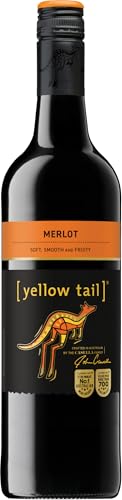
Best for: New red wine drinkers and casual wine nights. The Merlot offers soft flavors of dark plums, mulberries, and spice with a vanilla and blackberry finish.
Why selected: It’s a reliable, approachable bottle that demonstrates how a medium-bodied Merlot can be both flavorful and easy to drink. It’s a practical pick for weeknight meals or simple gatherings.
Caution: Flavors lean toward fruit-forward sweetness; avoid if you prefer very dry, austere profiles.
Cavaliere D Oro Gabbiano Chianti Sangiovese

Best for: Fans of classic Italian red wines with a dry profile and bright acidity. The Chianti shows typical dryness with soft tannins and a medium body, plus red berries and violet notes.
Why selected: It pairs nicely with roasted lamb, grilled meats, and tomato-based dishes, offering a dependable Italian option that respects the Sangiovese character.
Caution: The bouquet can skew toward red berry notes; those seeking pronounced oak may want to compare with other regional styles.
Chalk Hill Sonoma Coast Pinot Noir

Best for: Lovers of elegant, lighter-bodied red wine with bright fruit and nuanced oak. The Pinot Noir from Sonoma Coast delivers cherry flavors with vanilla and oak undertones.
Why selected: This bottle represents a refined Pinot Noir option that is versatile across many dishes, including poultry, salmon, and mushroom-based entrees. It’s a good match for meals where you want a delicate wine to complement rather than dominate.
Caution: Pinot Noir can be sensitive to temperature; serve too warm and the flavors may flatten, too cold and the aroma can seem muted.
Buying Guide
What should you prioritize when selecting a dry, smooth red wine?
- Body and texture: Choose based on whether you want a light, medium, or fuller mouthfeel. For everyday meals, medium-bodied options often perform best.
- Acidity and tannins: Higher acidity helps with food pairing; softer tannins suit casual drinking. If you’re avoiding tannins, look for lighter reds such as certain Pinot Noirs.
- Flavor profile: Fruit-forward wines are approachable for new red wine drinkers. Oak-forward wines deliver vanilla, spice, and toasty notes—great with roasted meats.
- Alcohol-free alternatives: Non-alcoholic wines can offer grape complexity without alcohol but may feel lighter on the palate. Consider these for mindful drinking or family-friendly settings.
- Pairing guidance: Hearty dishes pair with medium- to full-bodied reds; lighter meals go well with lighter reds like Pinot Noir or Merlot.
Frequently Asked Questions
- What reduces the heaviness in a red wine?
Choosing wines with softer tannins and balanced acidity, or opting for a non-alcoholic wine that preserves grape structure, can reduce perceived heaviness.
- Is dry red wine suitable for beginners?
Yes. Wines labeled as fruit-forward with moderate body are often the easiest entry points for new drinkers.
- Can I pair dry red wines with white meat?
Yes. Lighter reds like Pinot Noir or Merlot pair well with chicken, turkey, and fish prepared with moderate sauces.
- What should I consider for non-alcoholic options?
Look for de-alcoholized wines that maintain grape complexity and offer a true wine experience without alcohol.
- How important is serving temperature for red wines?
Serving temperature affects aroma and flavor release; generally, light-bodied reds are better slightly cooler, while fuller reds benefit from a touch warmer than room temperature.
Leave a Reply