Best Foods for Pancreatitis in Cats: Digestive Care Diets
Answering the essentials for cats with pancreatitis means prioritizing foods that support digestion, minimize fat spikes, and maintain steady nutrient absorption. This article highlights five digestive-care options well-suited for cats prone to pancreatitis, with guidance on who each product is best for. It is designed to help caregivers choose safe, practical options that support digestive health without compromising palatability. The overview table below helps compare key attributes at a glance.
| Product | Type | Best For | Notes |
|---|---|---|---|
| Royal Canin Feline Care Nutrition Digestive Care Adult Thin Slices in Gravy Cat Food (3 oz, Pack of 12) | Canned | Cats needing highly digestible protein and stool quality | Gravy texture; sensitive stomach formula |
| Blue Buffalo True Solutions Digestive Care Chicken Dry Cat Food (3.5 lb) | Dry | Cats needing sustained digestive support and protein emphasis | Clinically proven prebiotic fiber |
| Blue Buffalo True Solutions Digestive Care Chicken Wet Cat Food (3 oz, 4 ct) | Wet | Cats needing gentle stomach and balanced moisture | Real chicken first ingredient |
| Purina ONE +Plus Sensitive Stomach Sensitive Skin (Dry) | Dry | Cats with sensitive systems and skin concerns | Added prebiotic fiber |
| almo nature Supportive Formulas Digestive Support Formula HQS Shredded Chicken & Pumpkin in Gravy (1.77-oz can, case of 6) | Wet | Cats needing digestive fiber and pumpkin support | Grain-free, no fillers |
Note: This guide focuses on digestive-friendly options commonly recommended for cats with pancreatitis risk factors. Always consult a veterinarian for individualized guidance before changing a cat’s diet, especially with pancreatitis concerns.
Royal Canin Digestive Care Canned Cat Food (3 oz, 12-pack)

Features: Sensitive stomach formulation with highly digestible proteins helps support nutrient absorption and stool quality. The gravy texture may improve palatability for cats with picky appetites. Specifically designed for cats 1 year and older seeking digestive support.
Best for: Cats with sensitive stomachs needing gentle digestion and improved stool quality. Choose this if your cat tolerates canned texture and gravy well. Caution: Some cats may prefer dry alternatives; monitor intake to avoid sudden dietary shifts.
Blue Buffalo True Solutions Digestive Care Chicken Dry Cat Food

Features: High-protein formula with clinically proven prebiotic fiber supports digestive health and stool quality. Real chicken first ingredient and veterinarian-backed formulation emphasize digestibility and nutrition balance.
Best for: Cats needing steady, dry-diet support with a protein-forward approach. Better for owners who prefer dry food consistency. Limitation: Dry diets may be less moisture-rich; ensure hydration is adequate.
Blue Buffalo True Solutions Digestive Care Chicken Wet Cat Food
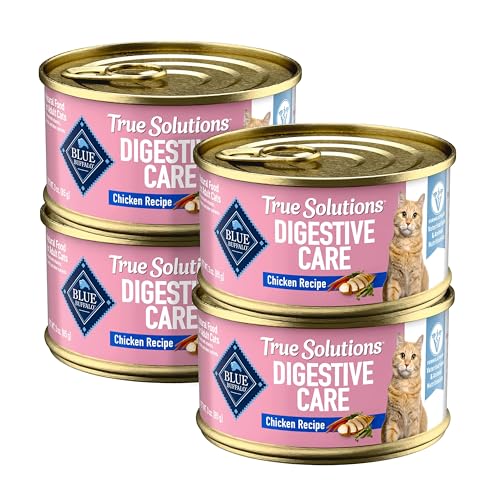
Features: Gentle, highly digestible formula with clinically proven prebiotic fiber. Real chicken first ingredient provides high-quality protein; wet format supports hydration and easy digestion.
Best for: Cats needing moisture-rich nutrition and sensitive stomach support. Choose this if your cat prefers wet textures. Caution: Transition gradually to avoid digestive upset during changes.
Purina ONE +Plus Sensitive Stomach Dry Cat Food
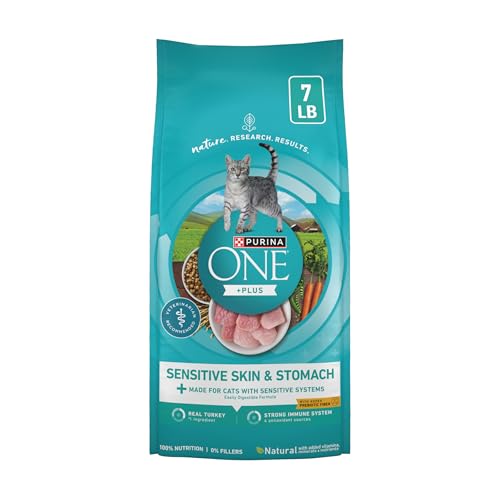
Features: Real turkey first ingredient with a high-protein profile and added prebiotic fiber to support digestive health. Specifically formulated for cats with sensitive systems, including stomach and skin considerations.
Best for: Cats with sensitive stomachs requiring a balanced dry diet that supports gut health. Limitation: Some cats may need gradual transitions; monitor stool changes during diet shifts.
almo nature Digestive Support HQS Shredded Chicken & Pumpkin in Gravy
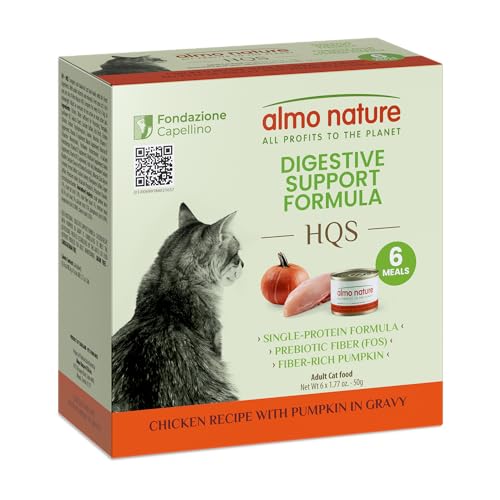
Features: Single-protein formula with prebiotic fiber (FOS) and pumpkin fiber for digestive support. Complete and balanced, no grains, gluten, by-product meals, hormones, carrageenan, artificial flavors or preservatives.
Best for: Cats needing digestive fiber and pumpkin-based support without grains. Choose this if your cat benefits from a simple ingredient list. Caution: Limited variety may require inclusion with other textures to maintain interest.
Buying Guide
What to look for when selecting a pancreatitis-friendly cat diet:
- Protein quality and digestibility: Favor high-quality animal proteins and easily digestible formulations to reduce digestive strain.
- Fat content and formulation: Lower-fat options or controlled-fat recipes can help manage pancreatitis risk. Consider texture and moisture level that your cat accepts.
- Fiber and prebiotics: Prebiotic fiber and pumpkin can support gut health and stool quality, which is important for cats with digestive sensitivities.
- Hydration: Wet foods can help with hydration; ensure your cat receives adequate water alongside dry options if used.
- Transition strategy: Introduce new foods gradually over 7–10 days to minimize digestive upset and monitor stool consistency.
- Texture preferences: Some cats respond better to pâté, slices in gravy, or chunks in gravy. Pick a format that your cat enjoys to ensure consistent intake.
- Medical guidance: Pancreatitis can be affected by coexisting conditions. Always align dietary choices with a veterinarian’s recommendations.
Frequently Asked Questions
- What is the role of grain-free formulas for pancreatitis in cats? Answer: Grain-free options can reduce certain digestive triggers, but grain content is not inherently harmful. The key is digestibility and overall nutrient balance.
- Should I feed wet or dry food for pancreatitis? Answer: Wet food improves hydration and can be gentler on digestion; however, dry food with controlled fats and prebiotics can also be appropriate, depending on the cat.
- Can pumpkin help a cat with pancreatitis? Answer: Pumpkin provides dietary fiber that can aid digestion and stool quality but should be used as part of a vet-guided plan.
- How quickly should I change my cat’s diet? Answer: Transition gradually over 7–10 days, mixing new and old foods in increasing amounts to minimize gastrointestinal upset.
- Is it safe to use more than one brand at a time? Answer: Mixing strategies can be used under veterinary guidance to manage palatability and nutritional balance.
- What signs indicate I should seek veterinary advice after changing foods? Answer: Worsening vomiting, diarrhea, weight loss, decreased appetite, or abdominal discomfort warrant veterinary consultation.
Leave a Reply