Best Organic Coconut Liquid Aminos for Everyday Cooking
Organic coconut liquid aminos offer a soy-free, gluten-free alternative to traditional soy sauce with a subtle sweetness and rich umami. This guide helps identify the best options for different cooking needs, whether you’re low-sodium, paleo, vegan, or simply seeking a cleaner ingredient. The top picks below are suited for stir-fries, dressings, marinades, and more, with clear guidance on who benefits most from each product.
| Product | Best For | Why It Stands Out |
|---|---|---|
| Bragg Organic Coconut Liquid Aminos Seasoning – 16 oz | Everyday cooks seeking a versatile soy-free seasoning | Balanced sweetness from coconut blossom nectar and apple cider vinegar; rich umami |
| BetterBody Foods Organic Coconut Aminos | Low-sodium, health-conscious kitchens | Lower sodium option with gluten-free, paleo-friendly profile |
| Bragg Organic Coconut Liquid Aminos Seasoning – 10 oz | Compact pantry use and single-dish applications | Same coconut aminos flavor in smaller bottle |
| Coconut Secret Coconut Aminos | Non-Soy, clean-label routines | Two-ingredient formula from coconut sap and sea salt |
| Kevala Organic Coconut Aminos | Organic, clean-eating meals | USDA Organic, non-GMO, gluten-free, mild sweetness |
Bragg Organic Coconut Liquid Aminos Seasoning – 16 oz

Key features: Bragg Coconut Liquid Aminos combines organic coconut blossom nectar, Bragg apple cider vinegar, and Balinese sea salt. It serves as a soy-free teriyaki sauce alternative that adds a savory, umami depth to a variety of dishes without gluten. Best for cooks seeking a familiar salty-sweet profile with a clean ingredient list.
Best for: Home cooks who want a versatile, pantry-friendly soy-free seasoning to use in stir-fries, marinades, dressings, and sauces. It’s especially suitable for those avoiding soy or gluten but still needing robust flavor.
Limitations: Some users may notice a milder sweetness compared to traditional soy sauces; adjust salt or vinegar balance accordingly.
BetterBody Foods Organic Coconut Aminos

Key features: Organic coconut blossom nectar mixed with sea salt, this soy-free alternative offers a lower-sodium option than traditional soy sauces. It’s gluten-free and paleo-friendly, designed to substitute soy sauce without sacrificing flavor.
Best for: Diet-conscious households seeking a low-sodium, gluten-free soy substitute for stir-fries, marinades, dressings, and sauces. It’s a good pick for those following paleo or low-sodium diets.
Caution: Flavor can be subtly sweeter; consider balancing with tangy components in recipes that rely on sharp saltiness.
Bragg Organic Coconut Liquid Aminos Seasoning – 10 oz
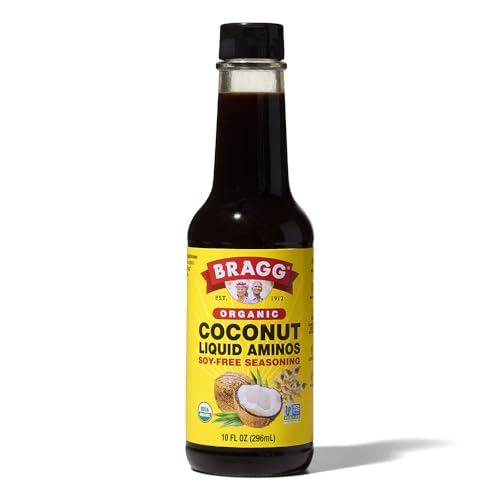
Key features: A smaller bottle version of Bragg’s coconut liquid aminos, offering the same teriyaki-style alternative with organic coconut nectar and Balinese sea salt. It’s a soy-free liquid seasoning with apple cider vinegar notes.
Best for: Kitchens needing a compact option for quick meals, small households, or travel-friendly use where a coconut-amino alternative is preferred over soy sauce.
Limitation: Smaller size may require more frequent restocking for heavy use kitchens.
Coconut Secret Coconut Aminos – 16.9 oz
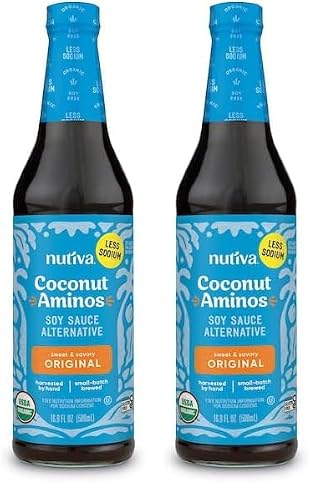
Key features: Made from coconut tree sap and sea salt, this product offers a soy-free alternative that does not carry a strong coconut flavor. It’s marketed as a versatile seasoning substitute to soy sauce for dressings, marinades, sautés, and sushi drizzles.
Best for: People seeking a clean-label soy-free option with a two-ingredient formula. Suitable for sushi, dipping sauces, and everyday cooking where a mild, well-balanced umami is desired.
Limitation: Some batches may vary in salt level; tasting early and adjusting add-ins helps maintain balance in recipes.
Kevala Organic Coconut Aminos

Key features: Kevala’s Organic Coconut Aminos combine coconut nectar and blossom sap with sea salt. It is USDA Organic, non-GMO, kosher, soy-free, and gluten-free, offering a mild, balanced sweetness suitable for everyday meals.
Best for: Clean-eating households seeking an organic, allergen-friendly soy-free option for stir-fries, marinades, dressings, and dips. It’s well-suited for those who prefer a straightforward ingredient list.
Caution: Some users may notice a subtler umami punch compared with traditional soy sauces; use in combination with other seasonings when a stronger depth is desired.
Buying Guide: Practical Considerations For Coconut Aminos
- Diet compatibility: If you follow paleo, gluten-free, or vegan diets, coconut aminos can be a staple soy-free alternative with naturally occurring amino acids.
- Salt content: Some brands offer lower-sodium options (BetterBody Foods) which can be easier on high-sodium recipes or dietary limits.
- Flavor profile: Most products provide a slightly sweet, umami-forward note. For strong soy-replication, you may want to pair with acidic elements like lime or vinegar to balance.
- Ingredients: Look for products with minimal ingredients—usually coconut sap, coconut nectar, or sea salt. Fewer additives can mean easier dietary compliance.
- Uses: Use as a direct 1:1 substitute for soy sauce in dressings, marinades, and sautés. Start with small amounts and adjust to taste, since saltiness and sweetness vary by brand.
- Container size and frequency: For heavy use, larger bottles (16 oz+) can be more economical. Smaller bottles are convenient for pantry space or travel.
- Allergen considerations: All listed products claim soy-free and gluten-free options, but always read labels to confirm compliance with your specific allergies or sensitivities.
FAQs
- Are organic coconut aminos truly soy-free? Yes. They are made from coconut tree sap or nectar blended with salt and do not contain soy.
- Can I use coconut aminos as a direct soy sauce substitute? In most cases, yes, in a 1:1 substitution, though you may want to adjust salt and sweetness depending on the dish.
- Do coconut aminos have a strong coconut flavor? They are designed to be milder, with umami and a touch of sweetness—no overpowering coconut taste.
- Which brand is best for low-sodium cooking? BetterBody Foods offers a lower-sodium option that suits low-sodium diets better than many traditional soy sauces.
- Is organic certification common for these products? Several options carry USDA Organic or similar certifications, like Kevala, offering assurance of organic sourcing.
- Can coconut aminos be used in dressings and dipping sauces? Absolutely. They work well in dressings, marinades, and as a dip base when balanced with acidity.
Leave a Reply