Best German Shepherd Puppy Food: Top Picks for Healthy Growth
Answering common questions about feeding a German Shepherd puppy, this guide highlights five dry dog foods formulated for large-breed puppies or breed-specific needs. Each option targets strong joints, brain development, and immune support—key for growing Shepherds. Ideal buyers include new puppy owners seeking breed-tailored nutrition, owners of large-breed puppies needing joint support, and caretakers prioritizing real-food ingredients and balanced protein.
Summary table of selected products:
| Product | Best For | Key Benefit |
|---|---|---|
| ROYAL CANIN German Shepherd Puppy Dry Dog Food, 30 lb Bag | Purebred German Shepherds, 8 weeks–15 months | Breed-specific kibble for muzzle/teeth; immune support |
| Royal Canin Breed Health Nutrition German Shepherd Puppy Dry Dog Food, 2.5 lb | Travel/transition or smaller portions | Same breed-specific formula in smaller bag |
| IAMS Proactive Health Large Breed Puppy Dry Dog Food | Large-breed puppies | Omega-3 DHA; bone and joint support |
| Blue Buffalo Life Protection Formula Chicken Puppy Dry Dog Food, 15 lb | Puppies needing real chicken first ingredient | Cognitive and retinal support via DHA/ARA |
| Purina Pro Plan High Protein Dry Puppy Food, Chicken & Rice | General high-protein puppy nutrition | Brain and vision support with DHA |
ROYAL CANIN German Shepherd Puppy Dry Dog Food, 30 lb Bag

Best for: Purebred German Shepherd puppies from 8 weeks to 15 months. This breed-specific formula uses a crunchy kibble designed for a German Shepherd puppy’s strong muzzle and teeth, supporting healthy chewing and dental development. The recipe also emphasizes antioxidants and vitamin E to assist immune system development.
Why selected: This option targets breed-specific nutritional needs, making it a clear choice for owners seeking tailored support during the critical growing window. It combines flavor and texture with immune-supporting ingredients, aligning with typical breeder recommendations.
Caution: Suitable primarily for German Shepherds; not ideal for non-Shepherd breeds or mixed-breed puppies that may have different nutritional needs.
Royal Canin Breed Health Nutrition German Shepherd Puppy Dry Dog Food, 2.5 lb
Best for: Short-term use or smaller households needing a compact, breed-focused option. The formula mirrors the larger bag’s benefits with the same digestible kibble and immune-supporting nutrients.
Why selected: It provides the same breed-specific benefits in a smaller package, which can help new owners acclimate a puppy to breed-formulated nutrition. Better for budget-conscious households testing a German Shepherd puppy’s response to this diet.
Caution: Smaller bag may require more frequent purchases; verify bag size compatibility with your feeding plan.
IAMS Proactive Health Large Breed Puppy Dry Dog Food

Best for: Large-breed puppies needing joint and cognitive development support. The formula emphasizes real chicken as the first ingredient and includes Omega-3 DHA for brain development and vision support.
Why selected: This option emphasizes a comprehensive approach for large breeds, balancing protein quality with nutrients aimed at healthy growth and cognitive development. It’s a practical choice for owners seeking a well-rounded, science-backed recipe.
Caution: Not breed-specific; best used when you want a robust large-breed puppy formula rather than a Shepherd-specific blend.
Blue Buffalo Life Protection Formula Chicken Puppy Dry Dog Food, 15 lb

Best for: Puppies needing a chicken-first recipe with natural ingredients. This formula excludes chicken by-products and is balanced with DHA and other fatty acids to support cognitive function and retinal health.
Why selected: Real chicken as the primary ingredient aligns with common breeder guidance for high-quality protein sources. The brand emphasizes natural ingredients and balanced nutrition for puppies.
Caution: Some dogs may prefer grain-inclusive options; monitor digestion and stool consistency during transitions.
Blue Buffalo Life Protection Formula Chicken Puppy Dry Dog Food, 5 lb
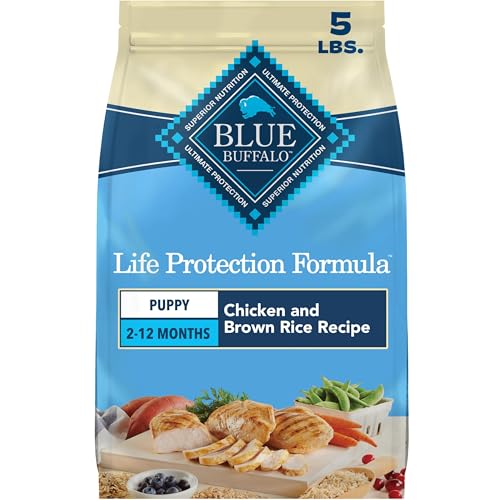
Best for: Puppy households needing compact, real-chicken nutrition with complete daily balance. The formula targets muscle development with chicken as a primary protein and provides energy through wholesome carbohydrates.
Why selected: It offers dependable puppy nutrition with a focus on real ingredients and veterinarian-informed formulation, making it a reliable everyday option for many puppies.
Caution: Larger bags may offer better value for growing puppies; ensure you’ll use the quantity before it expires.
Purina Pro Plan High Protein Dry Puppy Food, Chicken & Rice

Best for: Puppies requiring a high-protein option with DHA for brain and vision development. The chicken-forward recipe supports lean muscle growth and immune system development with antioxidants.
Why selected: It combines high protein with DHA-based brain support in a widely available formula, making it suitable for owners seeking a straightforward, protein-rich option.
Caution: High protein content may not suit all puppies; monitor for digestive tolerance and adjust portion sizes accordingly.
Purina Pro Plan Large Breed Dry Puppy Food, Chicken & Rice

Best for: Large-breed puppies that require joint and cartilage support as they grow. The formula includes glucosamine to help developing joints and cartilage, plus vitamin A and omega-6 fatty acids for skin and coat health.
Why selected: It addresses common large-breed growth concerns, offering targeted nutrients that support bones and joints during rapid growth phases.
Caution: Not breed-specific; suitable for broad large-breed needs, not exclusively German Shepherds.
Buying Guide: Key Considerations For German Shepherd Puppies
- Age and breed-specific needs: Choose formulas labeled for puppies or large-breed puppies, and consider breed-specific blends if available for German Shepherds.
- Protein source and quality: Prefer real meat as the first ingredient and avoid unnecessary fillers or by-products when possible.
- Joint and bone support: Look for glucosamine, chondroitin, and calcium to support growing joints and bones in large-breed puppies.
- Brain and vision development: DHA and other omega-3 fatty acids are beneficial for cognitive and retinal health during early growth.
- Digestive tolerance: Introduce new foods gradually and monitor stool and energy levels; some puppies may tolerate grain-inclusive formulas better than grain-free ones.
- Feeding guidelines: Follow feeding recommendations by weight and age, adjusting as your puppy grows and activity levels change.
- Budget and availability: Consider bag size, price per serving, and regular availability to avoid feeding interruptions during transitions.
Frequently Asked Questions
- What should I feed a German Shepherd puppy first? Start with a reputable puppy formula that supports growth, usually designed for large breeds, and transition gradually from any previous food.
- Are breed-specific foods important for German Shepherds? They can be advantageous for breed-tailored texture and nutrient emphasis, such as kibble shape and immune support, but are not strictly required.
- How much should a German Shepherd puppy eat daily? Follow the feeding chart on the packaging and adjust based on body condition, age, and activity; consult a veterinarian for personalized guidance.
- Is wet food better than dry for puppies? Both can be appropriate; dry food often supports dental health and convenience, while wet food can help with palatability and hydration.
- When should I transition to adult food? Most German Shepherds transition to adult food between 12 and 24 months, depending on growth rate and veterinarian guidance.
- Do I need to worry about grain-free vs grain-inclusive formulas? Some puppies tolerate grain-inclusive diets well; grain-free options are not necessary for all dogs and may not provide added benefits for puppies.
Leave a Reply