Best Organic Yogurt Starter Culture for Home-Probiotics and Creamy DIY Yogurt
For yogurt lovers seeking authentic, store-quality results at home, organic yogurt starter cultures offer dependable probiotic strands and easy fermentation. This guide highlights five reliable options ideal for different dietary needs and kitchen setups. Whether you want Greek-style thickness, plant-based dairy-free yogurt, or probiotic-rich blends, these starters help you customize texture, flavor, and gut-friendly benefits. The best pick depends on your goals: traditional dairy yogurt, heirloom compatibility, or vegan alternatives.
Buying at a glance:
| Product | Best For | Format | Notable Feature |
|—|—|—|—|
| Coolinario L Reuteri Yogurt Starter | Home makers seeking Reuteri probiotic | 10-pack sachets | Probiotic Reuteri for gut health |
| Cultures for Health Greek Yogurt Starter | Thick, Greek-style yogurt | 2 packets | Indefinite reuse with 2 tbsp from prior batch |
| Yogourmet Yogurt Starter (16 Pack) | Bulk dairy yogurt | 16 packs | Smooth, creamy results every time |
| Coolinario Yogurt Starter Culture with Probiotics (10-Pack) | Versatile dairy or probiotic yogurt | 10-pack | Probiotic-rich and versatile |
| Cultures for Health Vegan Yogurt Starter | Plant-based yogurts | 4 direct-set packets | Dairy-free, easy for non-dairy milks |
Coolinario L Reuteri Yogurt Starter (10-PK, 1.5g Sachets)

Best for: Home cooks who want a creamy dairy yogurt enriched with Lactobacillus Reuteri. This starter emphasizes gut-supporting probiotics and is suitable for traditional or Greek-style yogurt.
Why selected: The probiotic profile centers on L. Reuteri, which is frequently chosen for digestive balance and immune-support potential. The package includes multiple sachets for ongoing batches, making it convenient for regular use.
How to use: Heat 2 liters of cow’s milk to 82°C (180°F), cool to 42°C (108°F), whisk in 1 cup of the cooled milk with the starter, incubate 8 hours, then chill at least 2 hours. Better for thick or light yogurts depending on fermentation time. Caution: Long incubation can yield very thick yogurt; adjust time to taste.
Cultures for Health Greek Yogurt Starter | 2 Packets
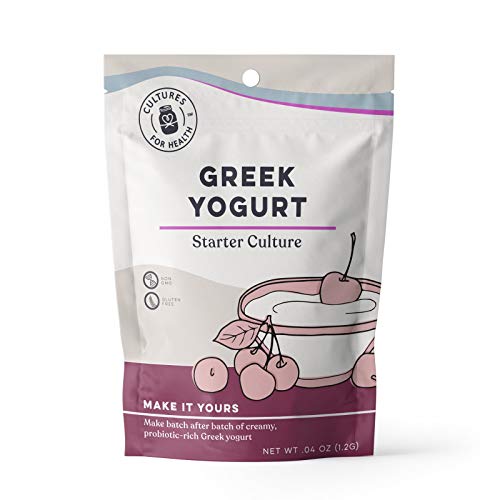
Best for: Yogurt lovers who want a thick, Greek-style texture with high protein content. Ideal for smoothie bowls, parfaits, and savory dishes requiring firmness.
Why selected: Heirloom-style starter can be reused indefinitely with only a small portion from the previous batch, enabling sustainable, long-term use. It emphasizes a creamy, robust taste typical of Greek yogurt.
How to use: Prepare using traditional dairy milk and strain to achieve classic Greek thickness. Caution: Starter quality depends on starter care and clean equipment; improper handling may affect thickness and consistency.
Yogourmet Yogurt Starter (16 Pack) – 3 g Sachets

Best for: Home yogurt makers seeking bulk, reliable dairy yogurt with consistent texture. Suitable for regular batches or batch rotation.
Why selected: The bulk version provides 16 sachets, each making 1 liter of yogurt, ensuring economical, consistent results for frequent users. Yogourmet emphasizes smooth and creamy finishes.
How to use: Follow standard dairy yogurt steps; scale fermentation time to texture preference. Caution: Save one scoop from each batch for future culture maintenance if you plan to reuse some starter; some users prefer fresh sachets for best results.
Coolinario Yogurt Starter Culture with Probiotics (10-Pack)

Best for: Those seeking a probiotic-rich starter with flexibility for both traditional and Greek-style yogurt. It supports digestive health and a balanced gut microbiome.
Why selected: The 10-pack provides versatility for multiple batches and texture experiments, aligning with home chefs who experiment with thickness and tanginess. Probiotic content is highlighted as a key benefit.
How to use: Follow standard dairy yogurt steps: heat milk, cool, mix with starter, incubate, and chill. Caution: Higher heat or longer incubation may impact taste; adjust based on preference for tanginess and creaminess.
Cultures for Health Vegan Yogurt Starter
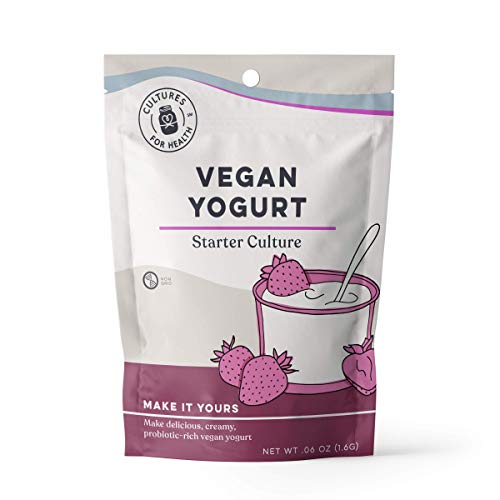
Best for: Plant-based yogurts made from non-dairy milks such as almond, soy, or oat. Ideal for vegans and dairy-intolerant households seeking probiotic-rich, dairy-free options.
Why selected: Direct-set vegan starter is easy for beginners, requires no maintenance, and enables 4 gallons of non-dairy yogurt, delivering cost efficiency in vegan yogurt making. It suits households seeking dairy-free nutrition.
How to use: Use non-dairy milk of choice; note that some plant milks thicken differently, and soy milk may naturally thicken more. Caution: Not all milks naturally thicken; consider adding a thickener if needed for desired texture.
Buying Guide
What to consider when choosing an organic yogurt starter culture:
- Texture goals: For creamy traditional yogurt, choose dairy-based starters; for thick Greek-style, select Greek or heirloom-style starters; for dairy-free options, pick vegan plant-based starters.
- Probiotic profile: If gut health is a priority, look for brands emphasizing Lactobacillus strains like L. Reuteri or other probiotic cultures.
- Reusability: Heirloom cultures can be reused, reducing ongoing cost; direct-set vegan starters are typically one-use.
- Dietary needs: Dairy-free, gluten-free, kosher, and halal claims vary by product; verify labeling if you have strict requirements.
- Batch size: Consider how many liters of yogurt you plan to make and select sachet counts accordingly.
- Ease of use: Some starters require no maintenance, others benefit from keeping a small starter from a prior batch.
Practical tips for best results
- Maintain precise temperature control: 82°C (180°F) for heating, then cool to 42°C (108°F) before adding culture.
- Incubation time affects texture: Longer incubation typically yields thicker yogurt; shorter times produce lighter textures.
- Good sanitation: Use clean containers and utensils to avoid unwanted cultures.
- Fresh starters generally perform better: Store sachets in a cool, dry place and avoid moisture exposure.
FAQ
- What is an organic yogurt starter culture? An organic yogurt starter culture is a collection of live bacteria used to ferment milk or plant milks into yogurt, with organic labeling indicating no synthetic growth promoters.
- Can I reuse starter cultures? Some cultures, like heirloom Greek starters, can be reused with a portion from prior batches, while direct-set vegan starters are typically single-use.
- Is dairy-based yogurt starter suitable for skin or dietary concerns? It is suitable for most dairy-based diets; those with lactose intolerance or dairy allergies should opt for vegan starters and plant milks.
- Do these starters guarantee a specific texture? Texture depends on fermentation time, milk type, and starter strain. Adjust incubation and straining to reach your preferred creaminess.
- Are there preservatives or additives in these starters? Reputable starters typically use freeze-dried cultures with minimal additives; always check ingredient lists on package details.
- Can I make yogurt without a yogurt maker? Yes, you can incubate in a warm place or using a dedicated yogurt incubator; ensure consistent temperature for best results.
Leave a Reply