Best Raw Organic Bee Pollen for Energy, Immune Support and Daily Nutrition
Answering the question “which raw organic bee pollen is best?” this guide highlights five top options that balance purity, preserved nutrients, and practical use for everyday wellness. These selections suit athletes seeking quick energy, busy professionals needing a natural daily boost, and anyone prioritizing clean, non-GMO, organic pollen. Each product is evaluated for who it’s best for, why it stands out, and any small caveat to consider before you buy. The following buying table helps you compare at-a-glance.
Product Comparison At A Glance
| Product | Brand | Size | Main Strength | Best For |
|---|---|---|---|---|
| Greenbow Organic Bee Pollen | Greenbow | 155 g | 100% USDA Organic, Non-GMO | Individuals seeking certified organic purity and versatile use |
| Jamie’s Hive to Table Organic Bee Pollen | Jamie’s Hive to Table | 6 oz | Raw, 100% Pure | Smooth integration into smoothies and breakfasts |
| Micro Ingredients Organic Bee Pollen Granules (1 lb) | Micro Ingredients | 1 lb | Fresh harvest, raw and natural | Bulk buyers and daily add-ins |
| HACIBALI Organic Bee Pollen Granules (1 lb) | hacıbalı | 1 lb | USDA Organic, Halal, Kosher, GMP | All-purpose daily supplement with strict certifications |
| Beekeeper’s Naturals 100% Raw Bee Pollen Granules | Beekeeper’s Naturals | 5.2 oz | Amino acids and B vitamins | Athletes and recovery-focused users |
Note: All products are raw or minimally processed to preserve nutrients. Availability, certifications, and packaging may vary by retailer and batch. Consider your dietary preferences (organic, kosher, halal, gluten-free) and desired serving size when choosing.
Greenbow Organic Bee Pollen

USDA CERTIFIED ORGANIC – Greenbow Bee Pollen is certified 100% organic, non-GMO, and gluten-free. It carries Kosher and Halal certifications and is processed without additives or artificial colors. The pollen is dried at low temperatures to help preserve nutrients. Best for buyers prioritizing strict organic standards and a pure, versatile supplement to add to smoothies, yogurt, or oatmeal. A potential limitation is the absence of detailed serving size on the packaging; confirm daily portions before use.
Jamie’s Hive to Table Organic Bee Pollen

100% PURE ORGANIC AND RAW BEE POLLEN — Harvested from flowers and dried to preserve nutrients. No additives, preservatives, or artificial flavors. This product is ideal for daily smoothies, oatmeal, yogurt, or baked goods. Best for those who want raw pollen with straightforward ingredients and easy incorporation into meals. A small caveat: packaging size (6 oz) may lead to quicker use for heavy daily consumers compared with bulk options.
Micro Ingredients Organic Bee Pollen Granules (1 lb)
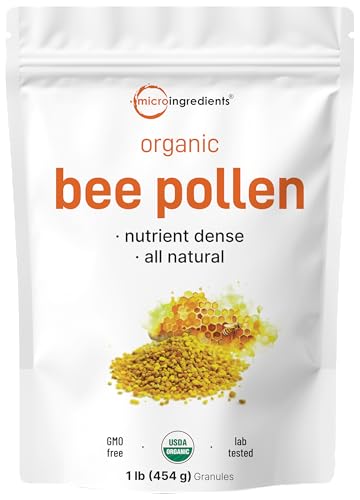
Freshly harvested and unadulterated, Micro Ingredients’ granules offer a raw, biologically active nutrient profile. Each 1-pound bag yields around 151 servings, making it a practical choice for regular users. Best for bulk-buyers and smoothie lovers who want a neutral flavor and flexible dosage. Caution: some users may prefer smaller, resealable packs for on-the-go use.
HACIBALI Organic Bee Pollen Granules (1 lb)

USDA Organic, Halal, Kosher, and GMP-certified with ISO 22000 for purity. This product is made from Anatolian flora, dried at low temperatures to preserve nutrition, and is rich in protein and antioxidants. Best for buyers seeking multiple certifications and a robust daily supplement. Limitation to consider: higher price point may accompany the certification breadth for some shoppers.
Beekeeper’s Naturals 100% Raw Bee Pollen Granules

Nature’s multivitamin with clean protein and amino acids, high in B vitamins to support energy production. The pollen is truly raw and never heated, preserving enzymes. Best for athletes and active individuals needing quick recovery and immune support. A potential drawback is that some users prefer finer textures for integration into beverages or recipes; the granule size may vary by batch.
Buying Guide — Raw Organic Bee Pollen: Key Considerations
What should I look for in organic bee pollen?
Choose products with explicit organic, non-GMO, and gluten-free certifications if these are important to you. Look for raw, minimally processed pollen that is dried at low temperatures to preserve nutrients. Certifications like Kosher, Halal, and GMP can signal broader quality controls.
What size and form work best for daily use?
Small to medium servings (about a teaspoon to a tablespoon per day) suit most people. If you’re new to pollen, start small and monitor for allergies. Bulk sizes are cost-effective for regular users, while smaller packs are convenient for trying a new product.
Which product suits athletes or energy-focused users?
Products highlighting protein content, B vitamins, or energy-focused nutrition are ideal for athletes. Raw and minimally processed pollen typically delivers the most enzymes and amino acids, supporting quick energy and recovery.
Are there any cautions or limitations?
Allergy risk to bee products exists; discontinue if you notice adverse reactions. Varying grind sizes may affect texture in drinks or foods. Some items with multiple certifications or international sourcing may come at a higher price point.
How should I store bee pollen?
Keep pollen in a cool, dry place or refrigerate to preserve enzymes and freshness. A resealable pouch helps maintain quality between uses. Always follow the manufacturer’s storage recommendations on the label.
Frequently Asked Questions
- Is bee pollen safe for most people? For most adults without known bee allergies, raw bee pollen is generally considered safe when consumed in moderation. If you have allergies or are pregnant, consult a healthcare professional before use.
- What does “raw” mean for bee pollen? Raw bee pollen is dried at low temperatures without high-heat processing, preserving enzymes and nutrients that may be reduced by heating.
- How much bee pollen should I take daily? Typical daily servings range from 1 teaspoon to 1 tablespoon, depending on product guidelines and tolerance. Start small to monitor response.
- Can bee pollen replace other supplements? Bee pollen supplements can complement a balanced diet but should not replace a varied nutrient intake or medical therapy where required.
- Do certifications guarantee quality? Certifications indicate adherence to certain standards, but always verify current labeling and batch-specific information for the most accurate details.
- Is bee pollen vegan? Bee pollen is not vegan, as it is produced by bees. Some consumers choose it for its perceived health benefits, while others avoid animal-derived products.
Leave a Reply